DeepFake Blog
GPT-6: What Is Confirmed, What Is Rumor, and What Exists Now
As of August 2026, GPT-6 is not an official OpenAI model; here is how the rumors compare with the current GPT-5.6 family.
Read post
Simple guides, updates, and examples for AI video, AI image, and AI audio creation — all in one studio.
As of August 2026, GPT-6 is not an official OpenAI model; here is how the rumors compare with the current GPT-5.6 family.
Separate plausible AI progress from rumor, then evaluate any future model by reliability, workflow fit, and measurable production outcomes.
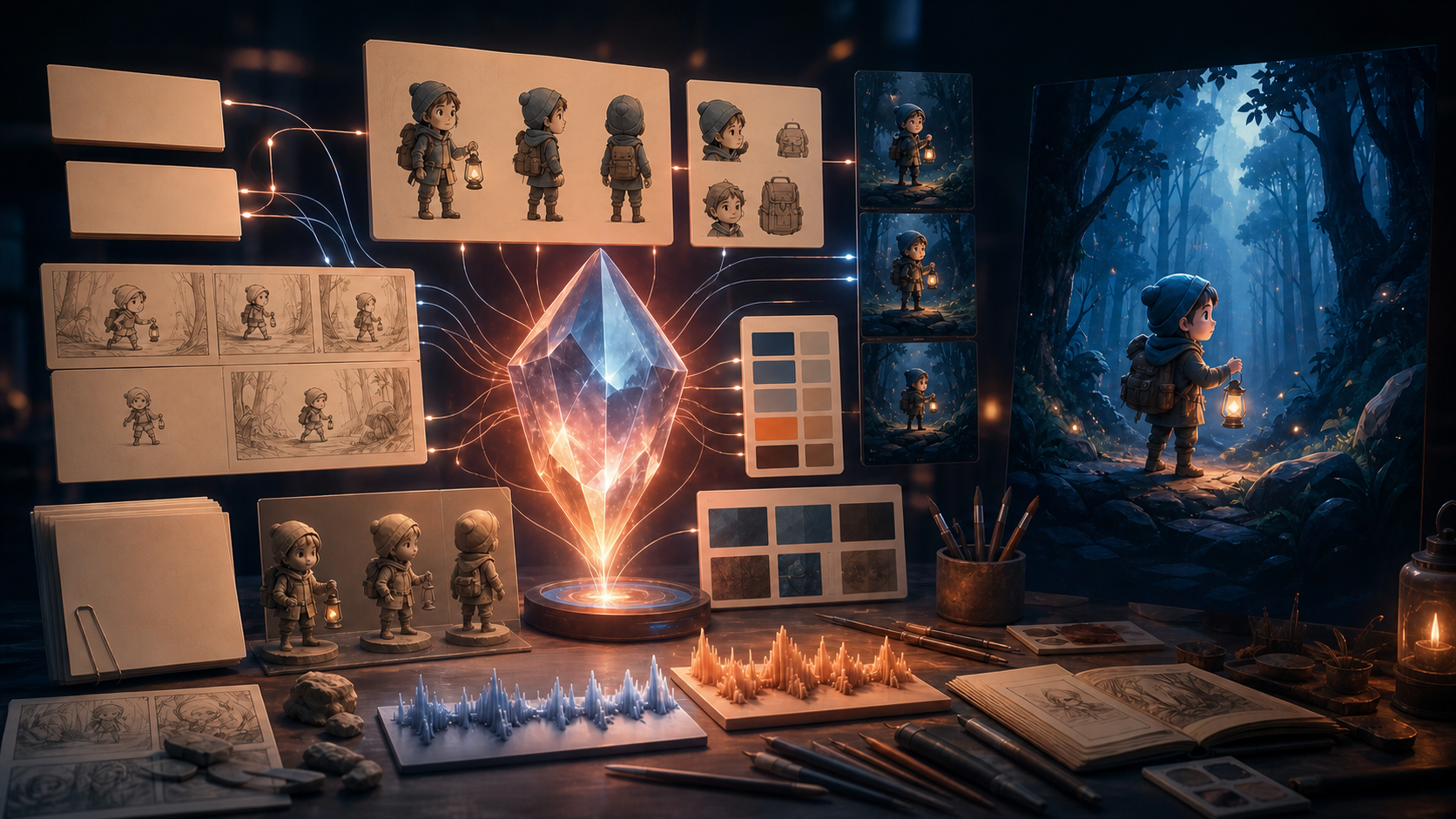
There is no official GPT-6 today, but creators can already build a model-ready workflow for stronger briefs, steadier characters, clearer shots, and fewer revision loops.
GPT-6 is not an announced OpenAI product; these verified GPT-5.6 workflows deliver useful coding, research, creative, and operations results today.
A practical guide to AI memory for creative work, including project boundaries, privacy safeguards, and reliable alternatives you can use today.
There is no official GPT-6 release date as of August 5, 2026. Here is the current OpenAI model landscape and a practical, evidence-based upgrade plan.
GPT-6 is not available to benchmark, but you can document the GPT-5.4 baseline and prepare a rigorous model evaluation now.

Learn how to generate and edit images online with ChatGPT Images 2.0, understand free limits and API billing, write better prompts, and protect your files.

Compare instruction following, typography, editing, style control, references, speed, cost structure, and production fit—plus an important Midjourney version update.
Compare current documented capabilities, then run a fair test for motion, identity, camera, audio, references, editability, cost, and access.
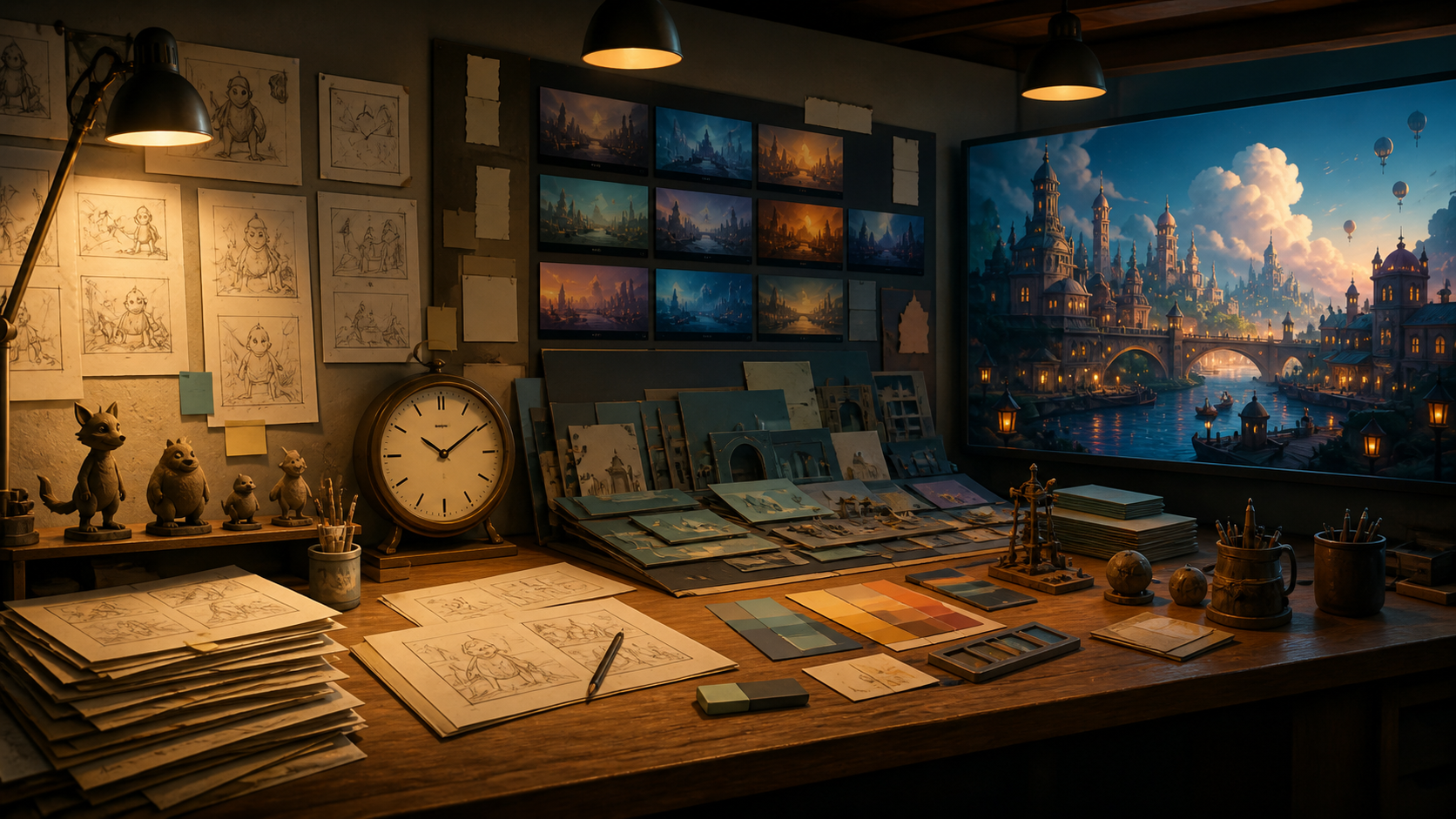
Estimate an animation schedule from runtime, shot count, visual complexity, asset reuse, and revision depth—then shorten it without sacrificing the story.
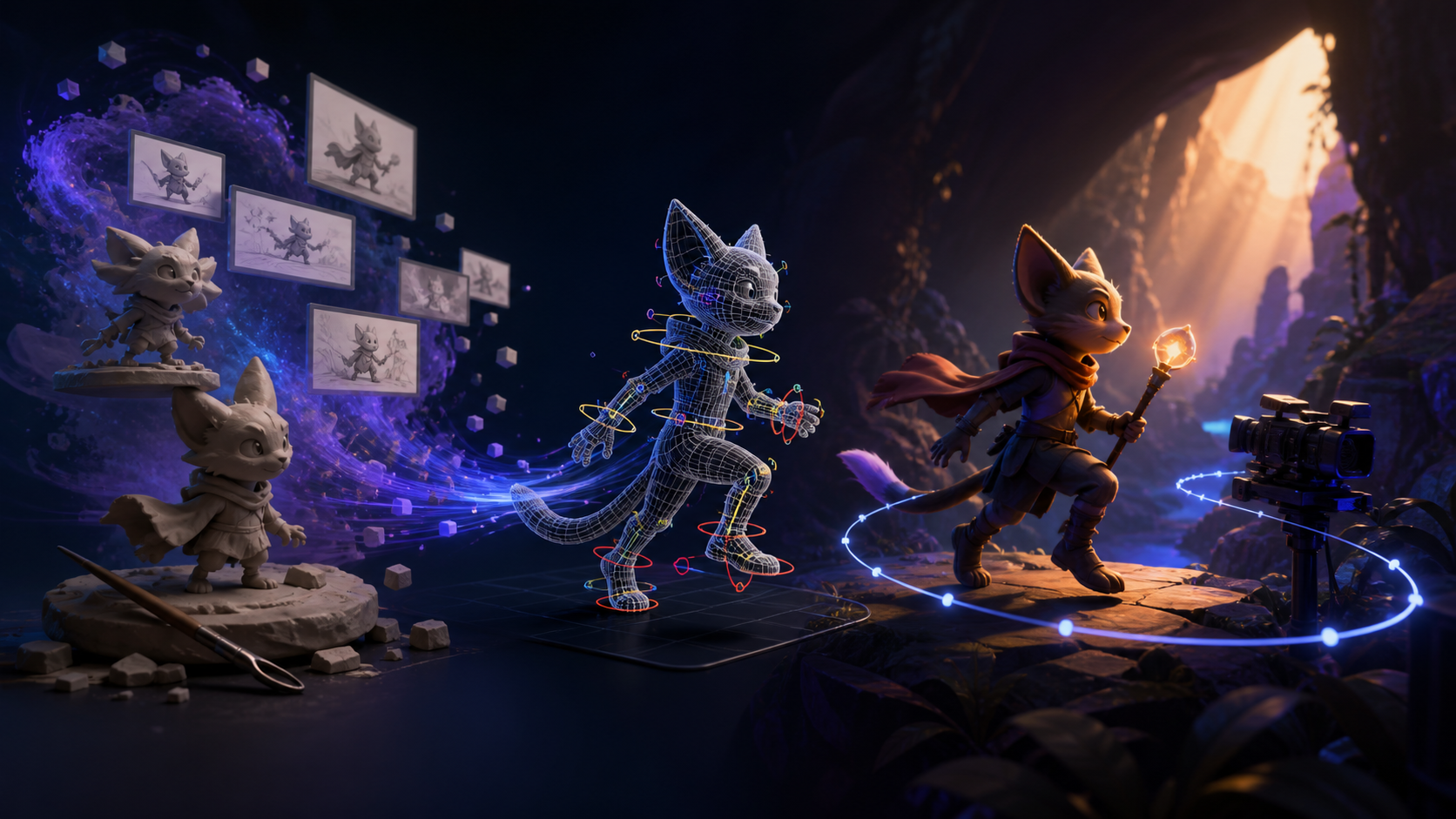
Learn where AI speeds up 3D concepting, previs, motion, and finishing—and where rigs, scene files, and human control still matter.
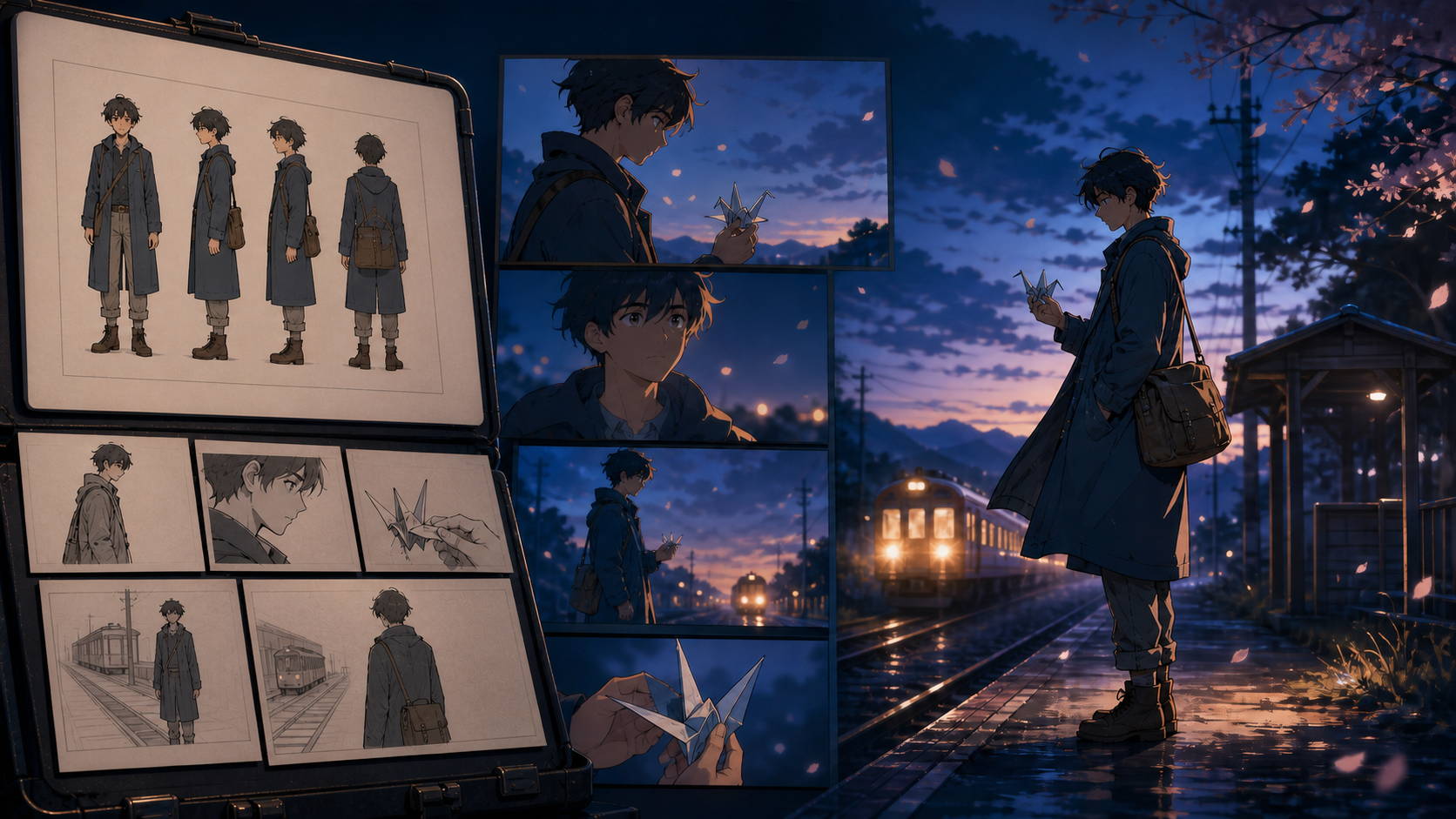
Build a short anime scene from one story beat, a stable original character, deliberate shots, selected keyframes, and restrained motion.
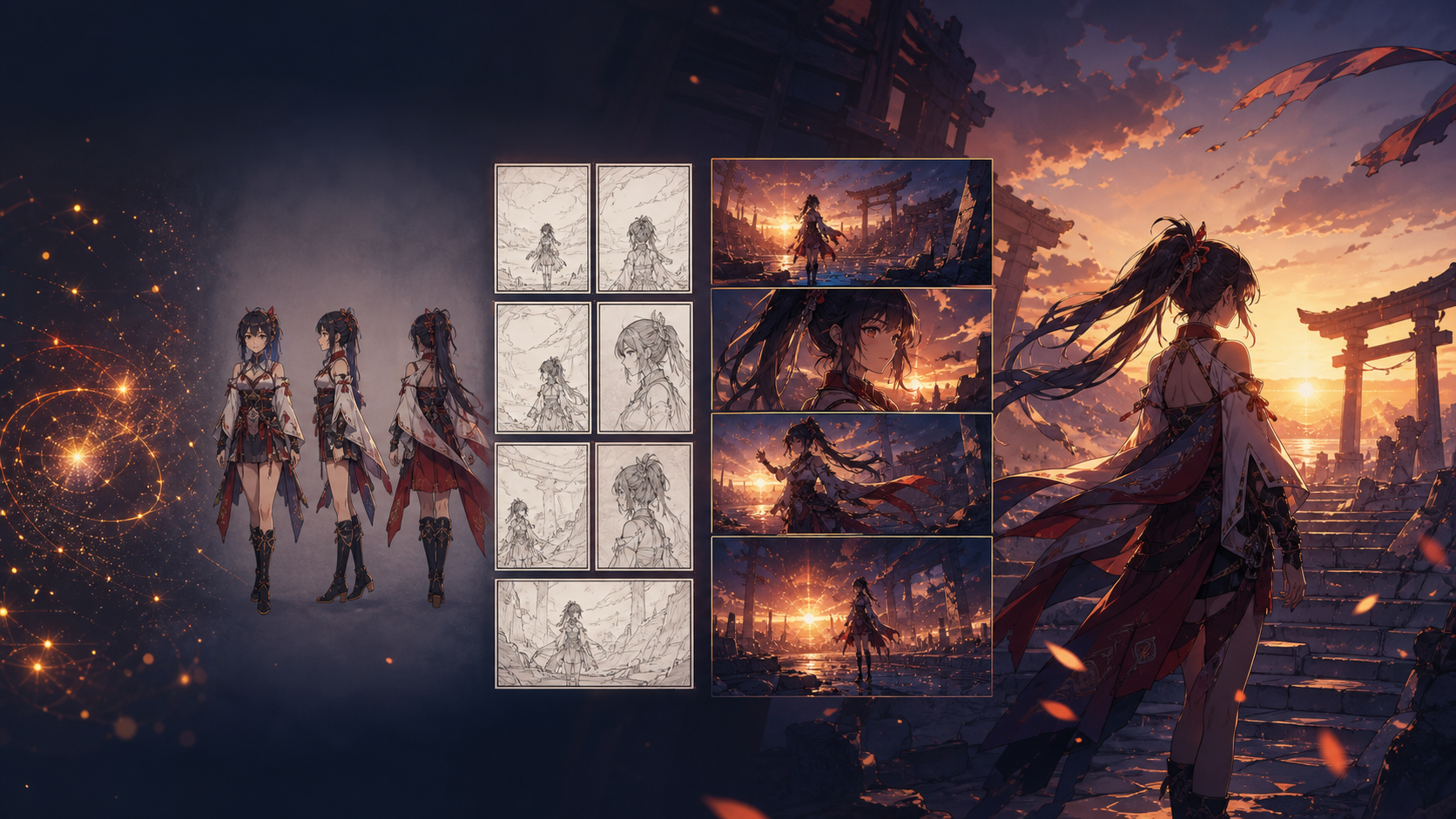
Plan a short scene, keep characters consistent, animate selected keyframes, and finish the result with purposeful sound and editing.
A practical creator workflow for turning one simple idea into coherent scenes, consistent characters, expressive sound, and a finished short film.
Choose the right generation method, design stable keyframes, prompt controlled motion, and edit short clips into a polished animated video.
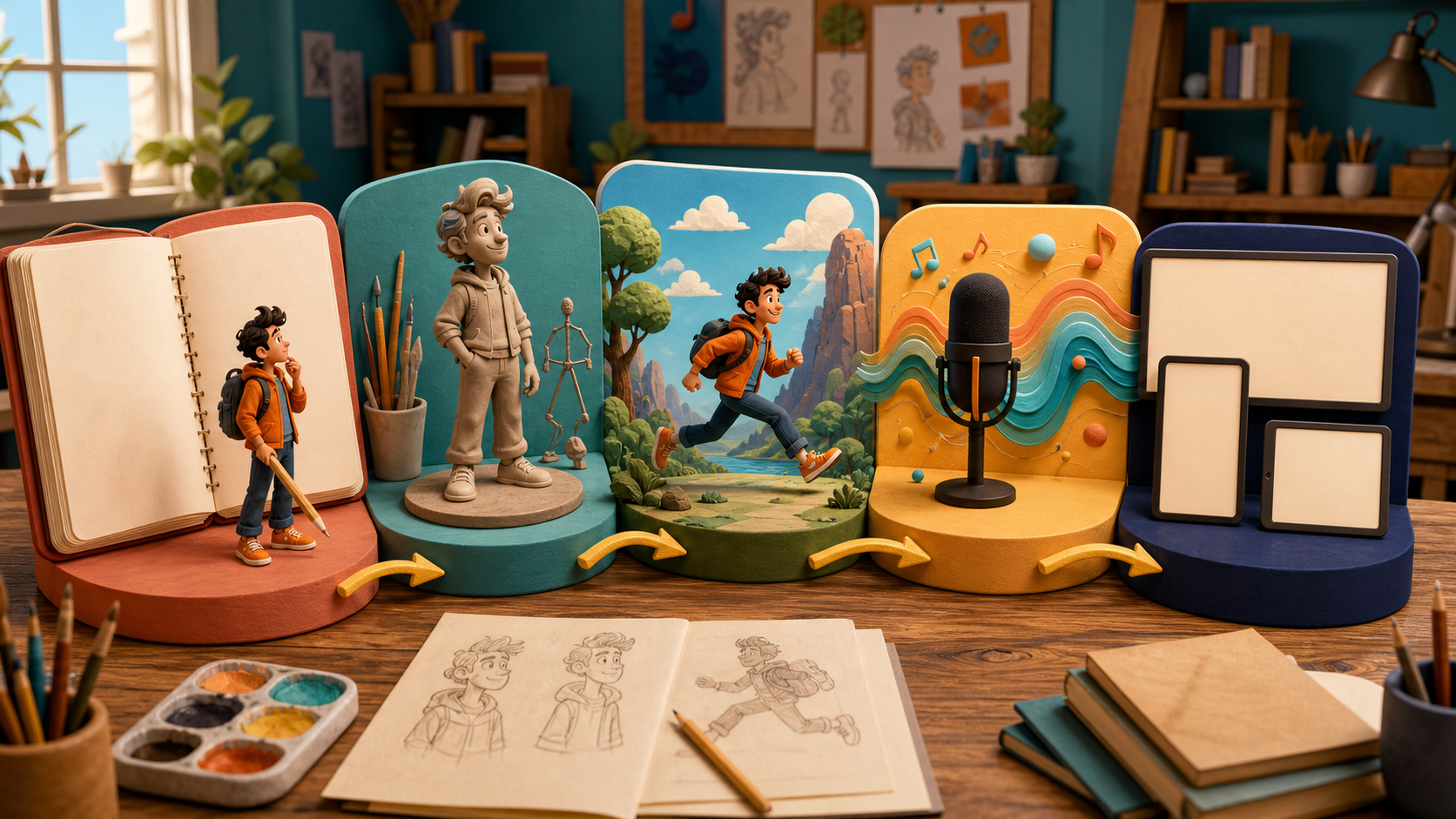
Follow a five-step workflow to write, design, animate, add sound, and export a short original cartoon while using free credits carefully.
Build a model-agnostic upgrade lane with versioned prompts, clean data, representative evaluations, cost controls, and a safe rollback plan.
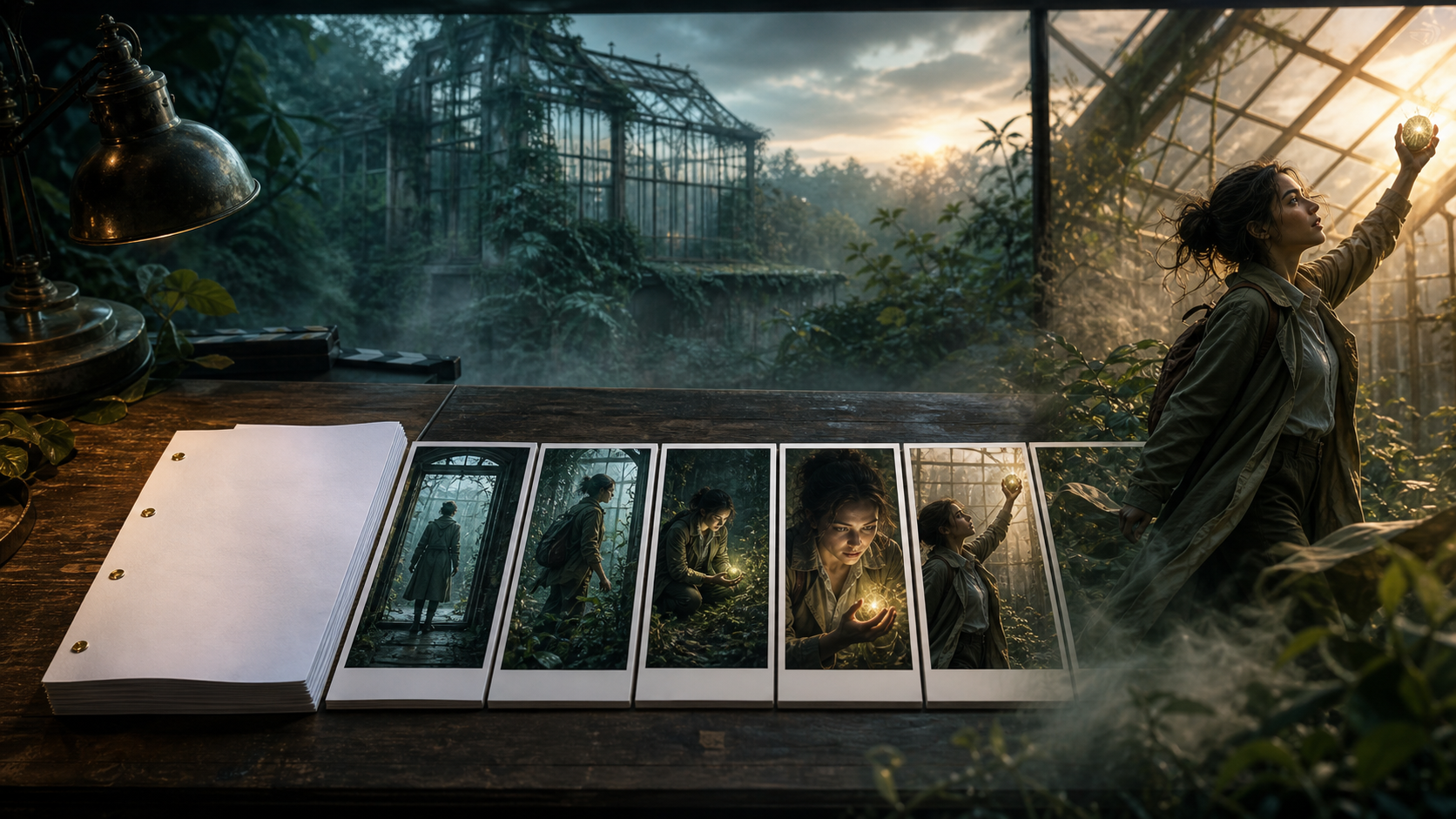
Break a script into visual beats, design purposeful shots, lock continuity, animate approved keyframes, and finish with sound and editing.
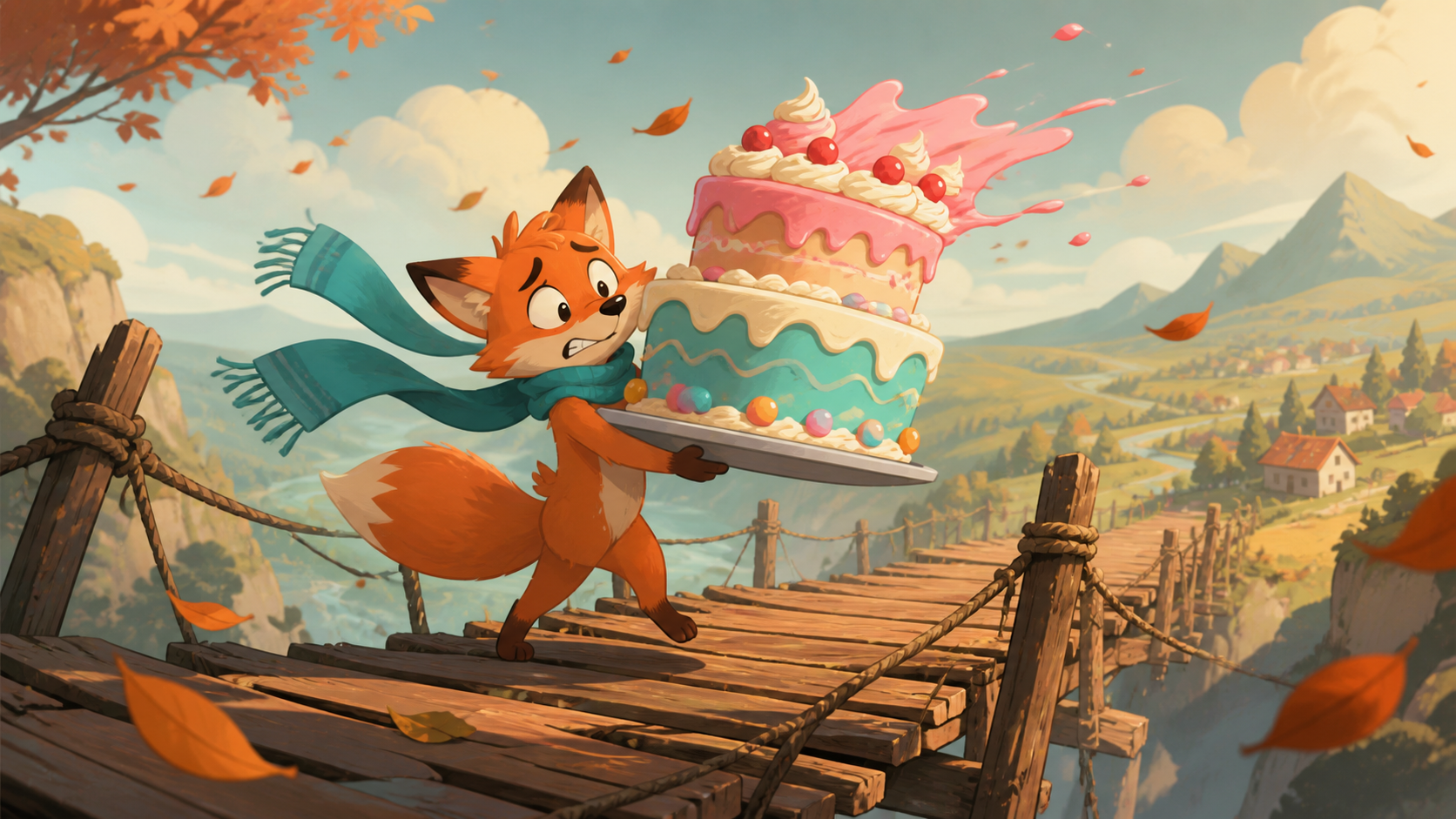
Build a repeatable cartoon pipeline from story idea and character sheet to storyboard, animation, voices, editing, and final export.
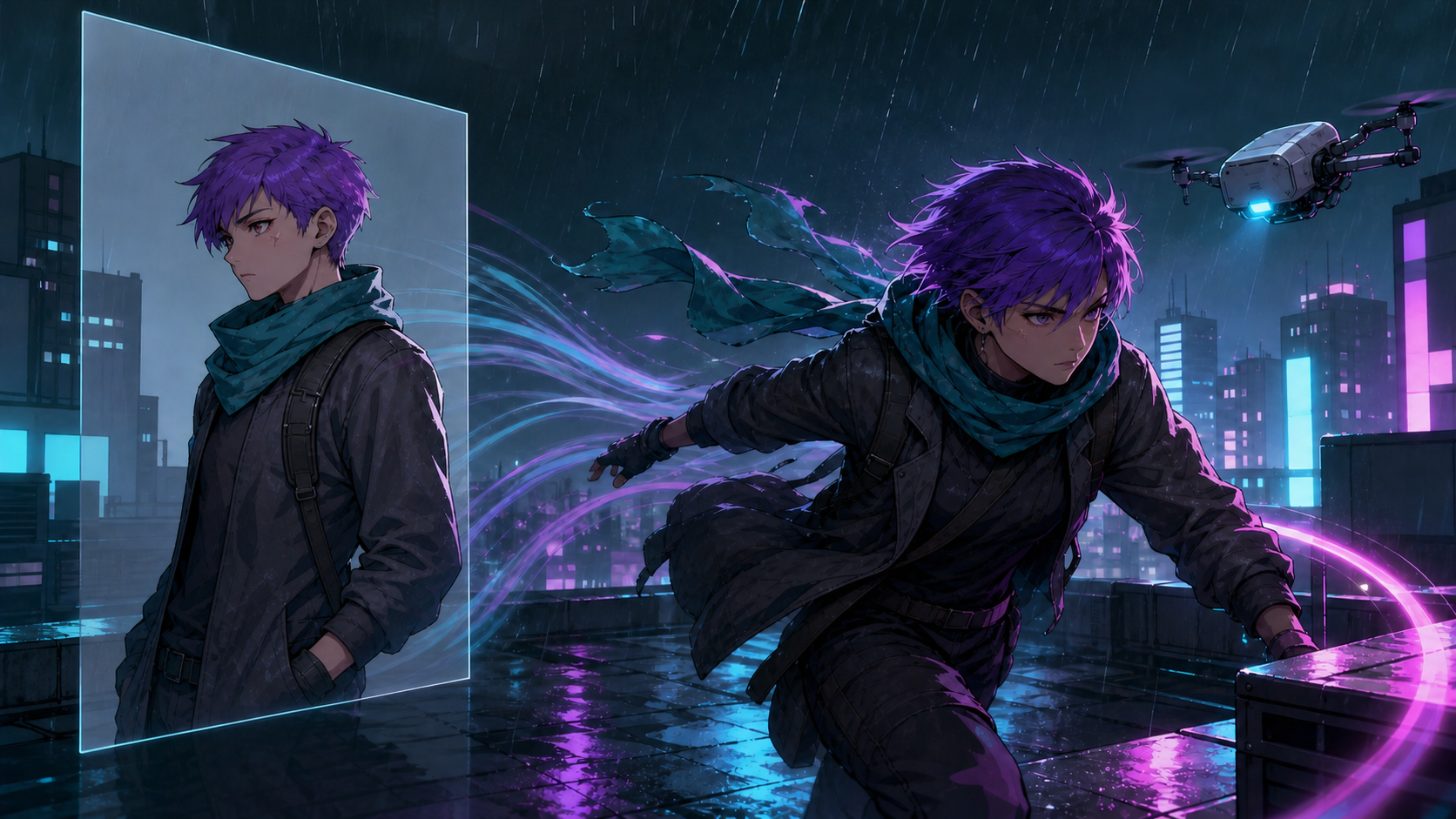
A practical, prompt-first workflow for turning portraits, illustrations, product shots, and landscapes into controlled short videos.
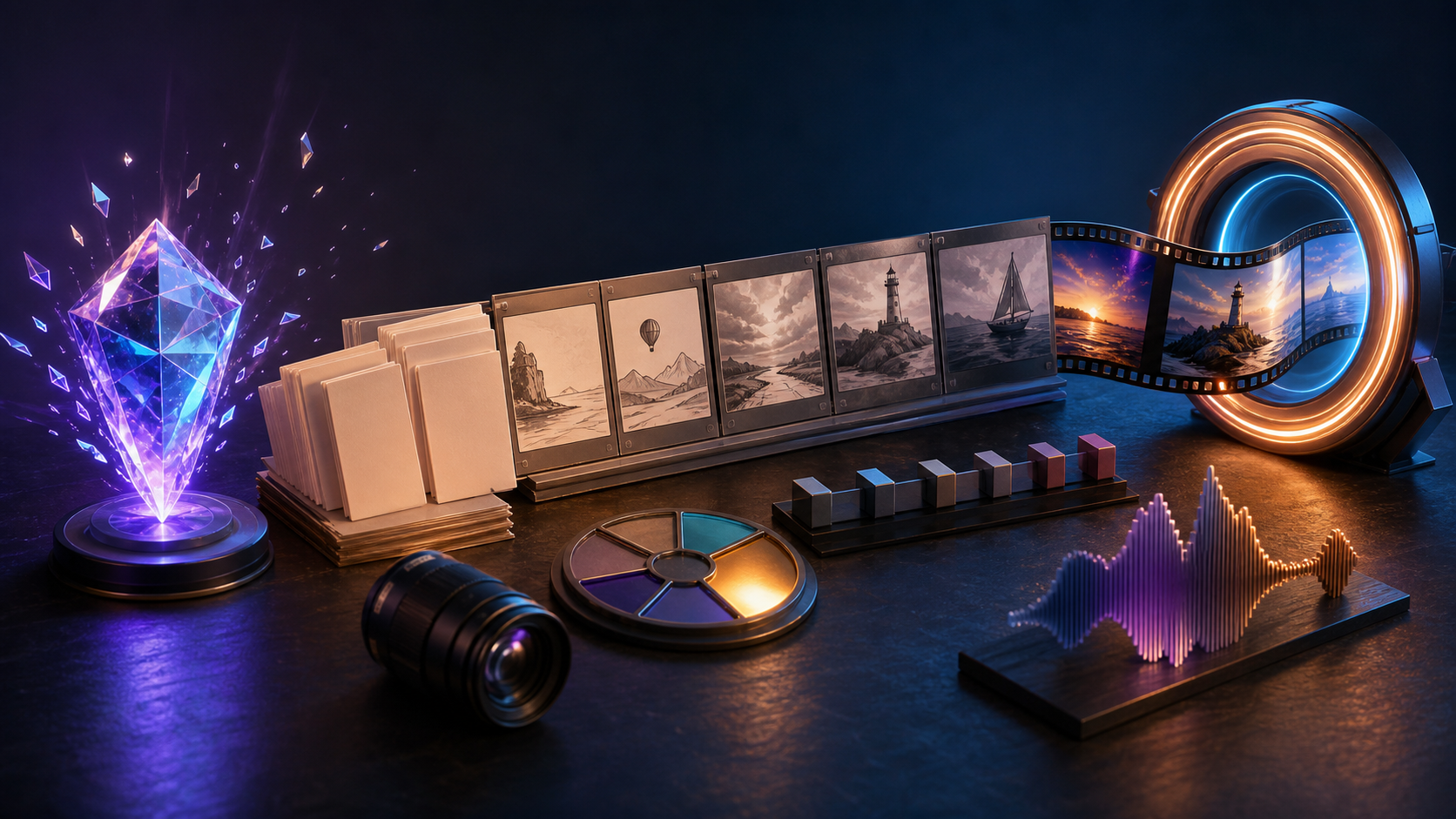
Plan scripts, scenes, shots, prompts, continuity, and edits with a language model—then render each clip with specialized video tools.
Use ChatGPT Images 2.0 on the Free tier, write a strong first prompt, edit the result, manage limited usage, and avoid common access and API misunderstandings.
Plan stronger text-to-video, image-to-video, multi-shot, reference-driven, and native-audio generations with a production-ready workflow.