DeepFake Blog
How to Choose an OC Maker in 2026 Without Drawing | DeepFake
Choose an OC maker by destination, consistency, editing, portability, rights clarity, and total accepted-design cost—not by an unsupported ranking.
Read post
Simple guides, updates, and examples for AI video, AI image, and AI audio creation — all in one studio.
Choose an OC maker by destination, consistency, editing, portability, rights clarity, and total accepted-design cost—not by an unsupported ranking.
Explore how AI could lower the barriers to user-generated games, accelerate prototyping, personalize play, and enable create-play-remix communities.
Turn one game idea into a small playable prototype, test the core experience, and improve it without confusing a quick demo with a finished game.
Create an unofficial Demon Slayer-inspired OC with an original breathing-style theme, Nichirin blade concept, uniform, limitation, personality, and fan-story.
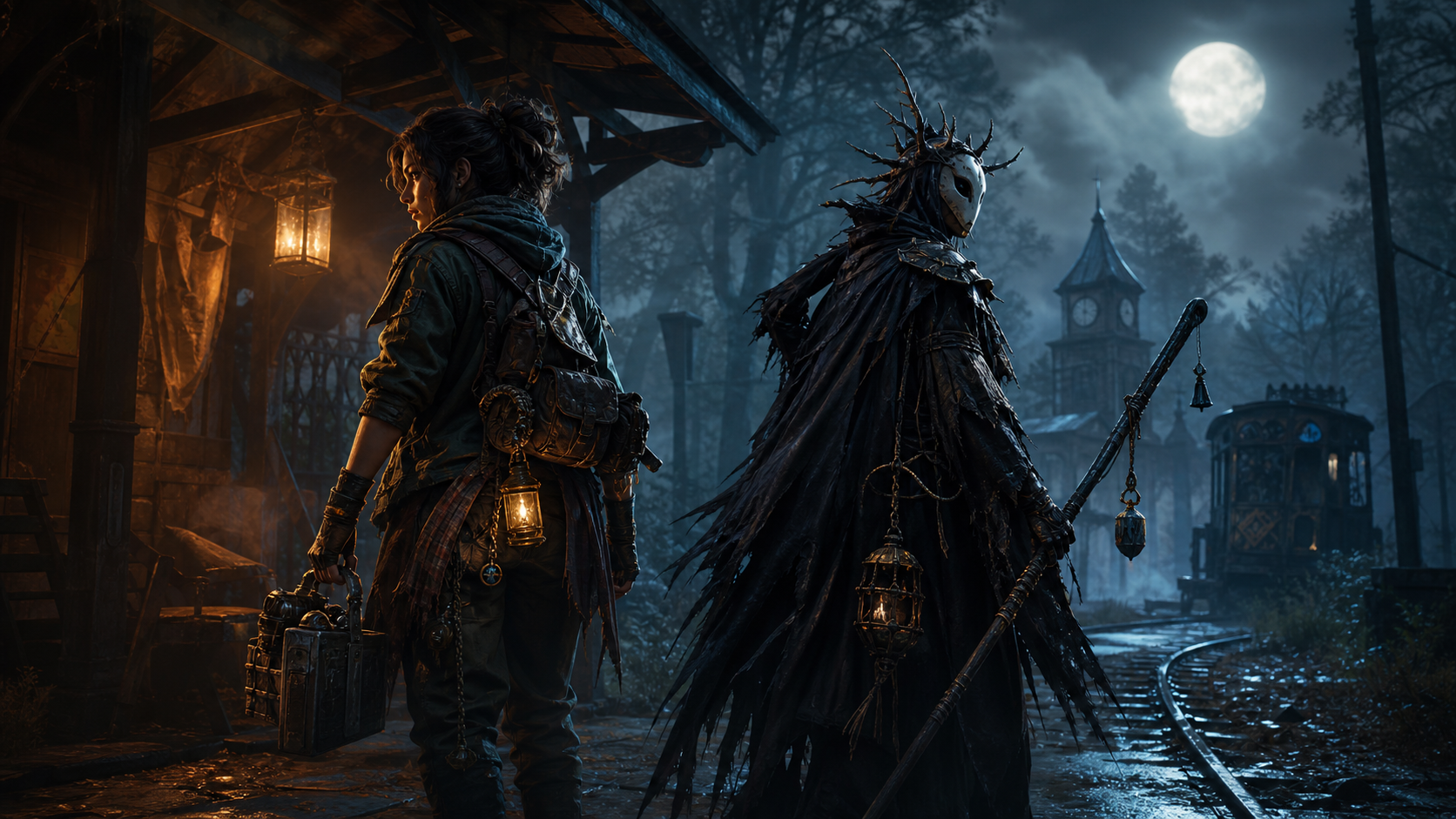
Create an unofficial Forsaken-inspired Survivor or Killer OC with a readable role, ability loop, counterplay, visual cues, lore, and balanced fan concept.
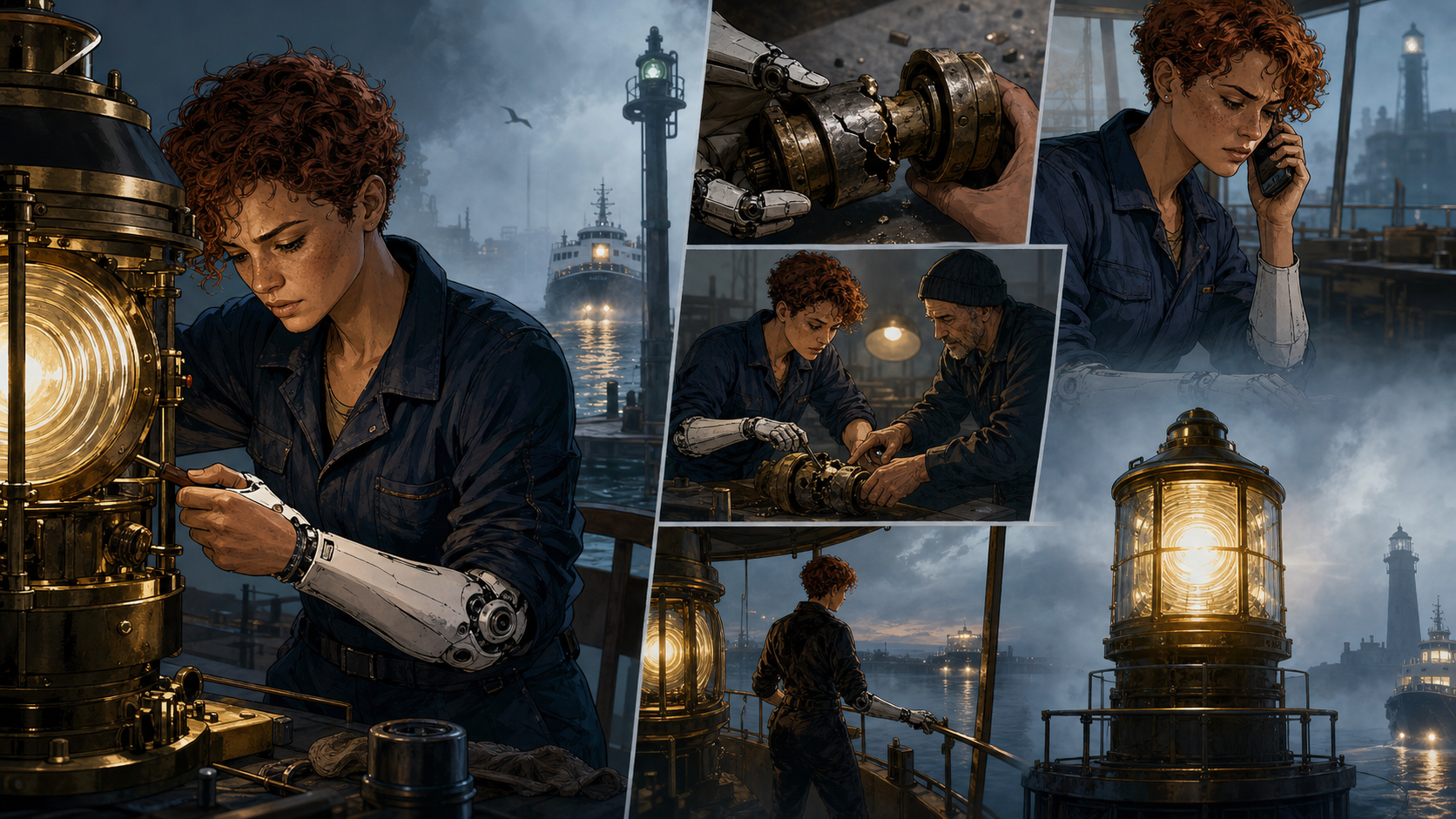
Turn an original character into a readable comic with a practical workflow for premise, character arcs, scripts, panels, continuity, dialogue, and final export.
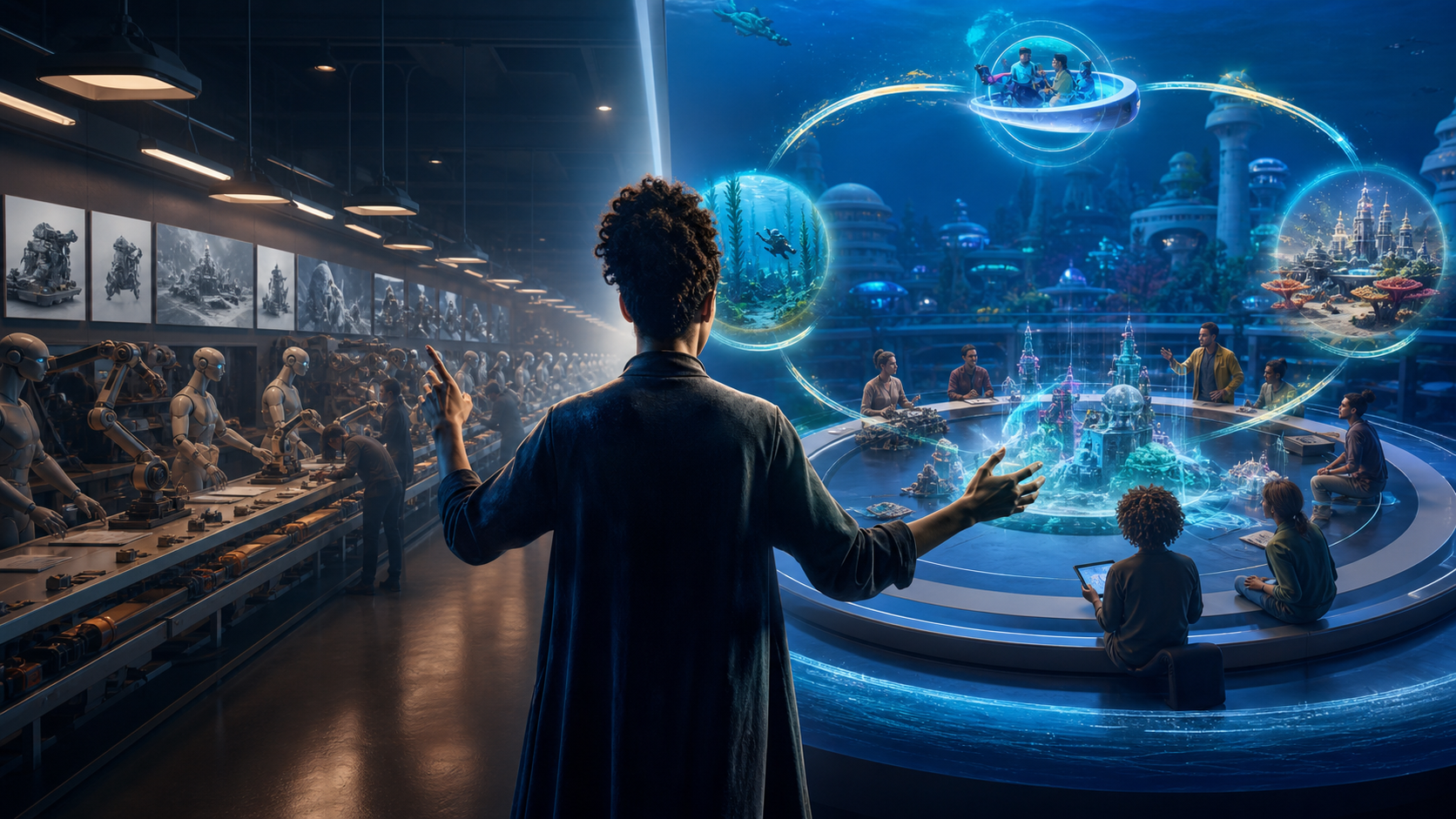
Explore how AI is shifting early game design from tool-first production toward faster, idea-led prototyping, play, feedback, and remix cycles.
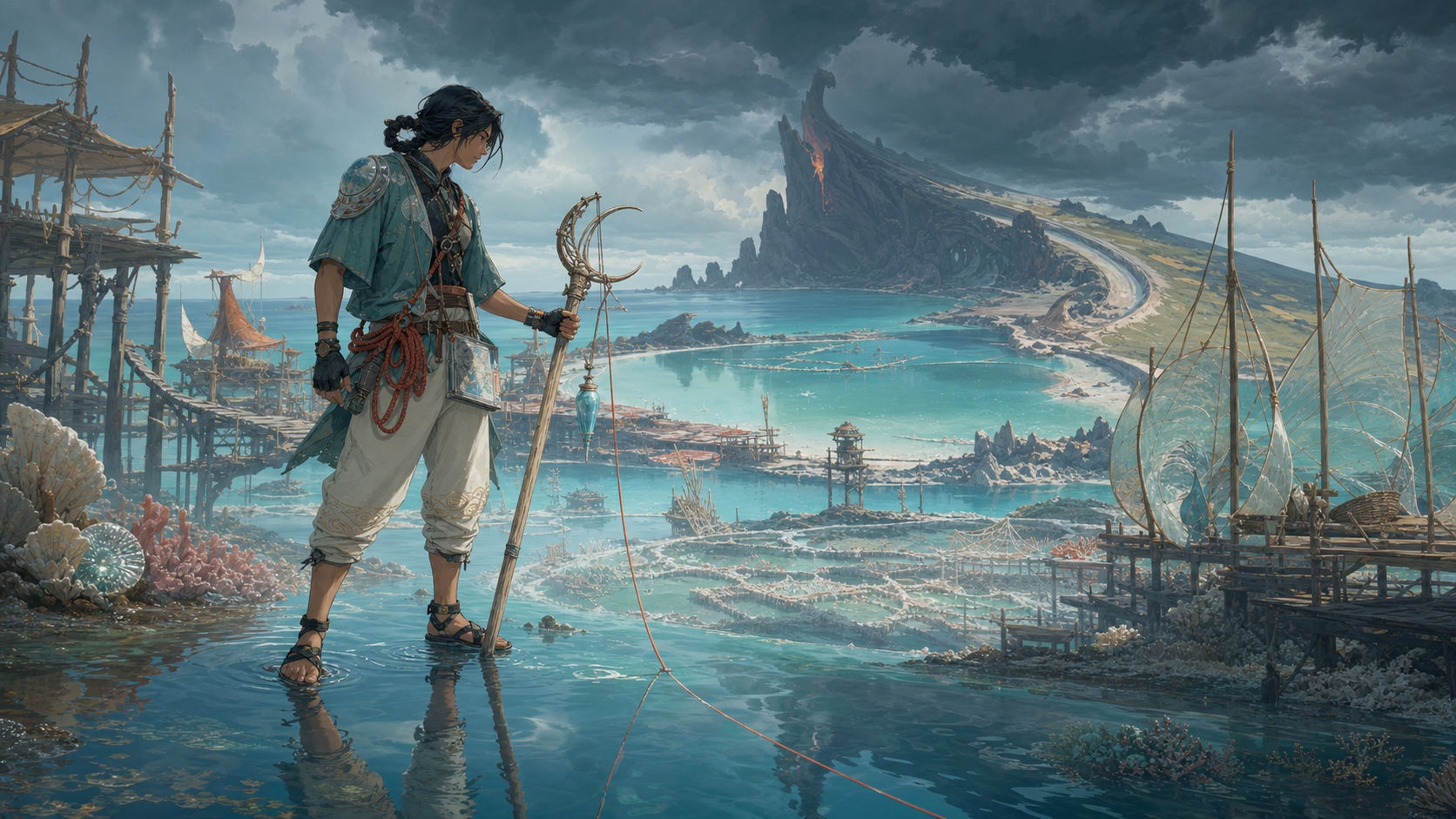
Design an unofficial Genshin-inspired OC with a coherent fan-made region, Vision concept, weapon role, outfit logic, personality, story, and IP boundaries.
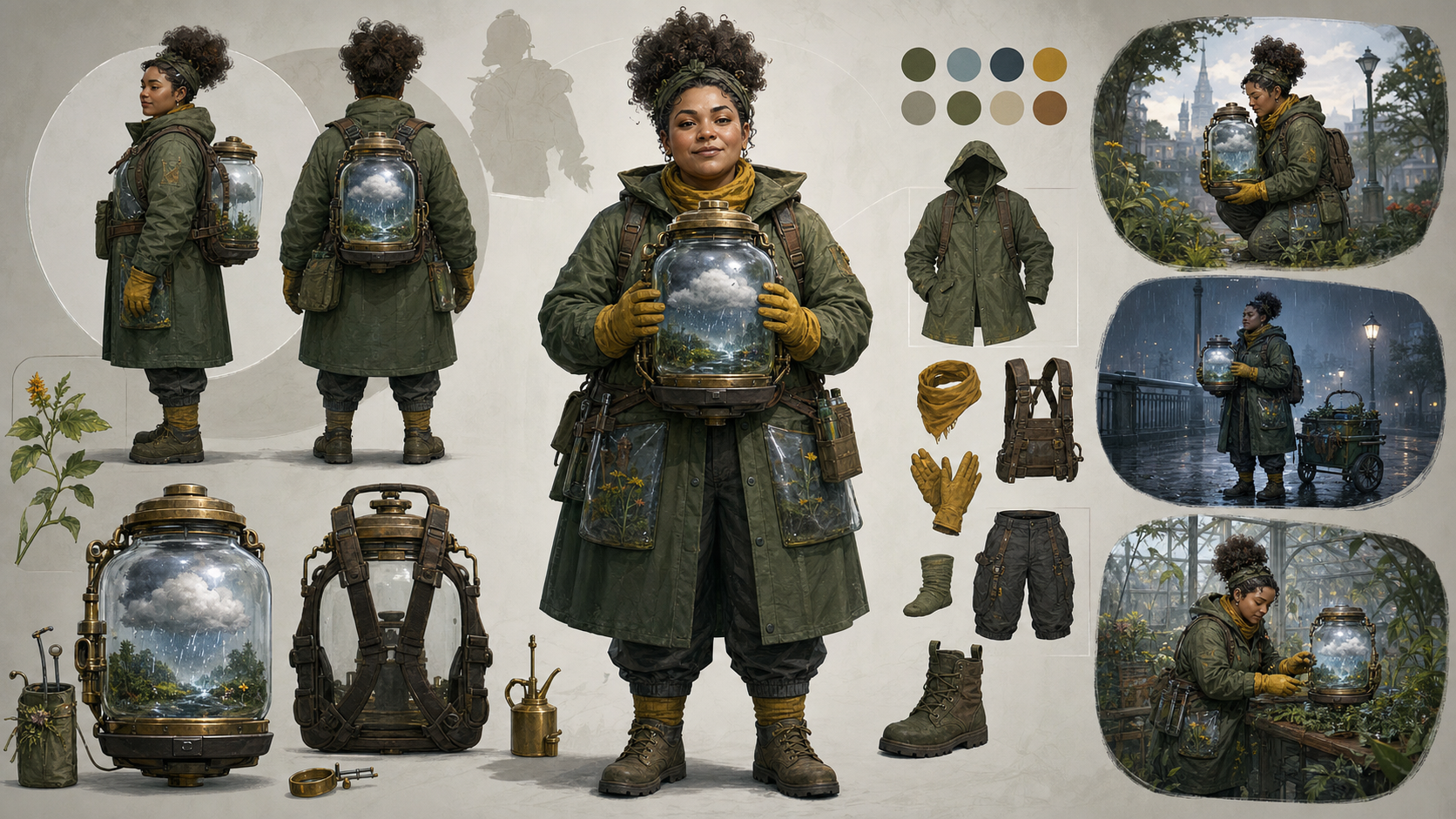
Make a story-ready OC with AI by connecting personality, silhouette, outfit function, abilities, limitations, relationships, and backstory.
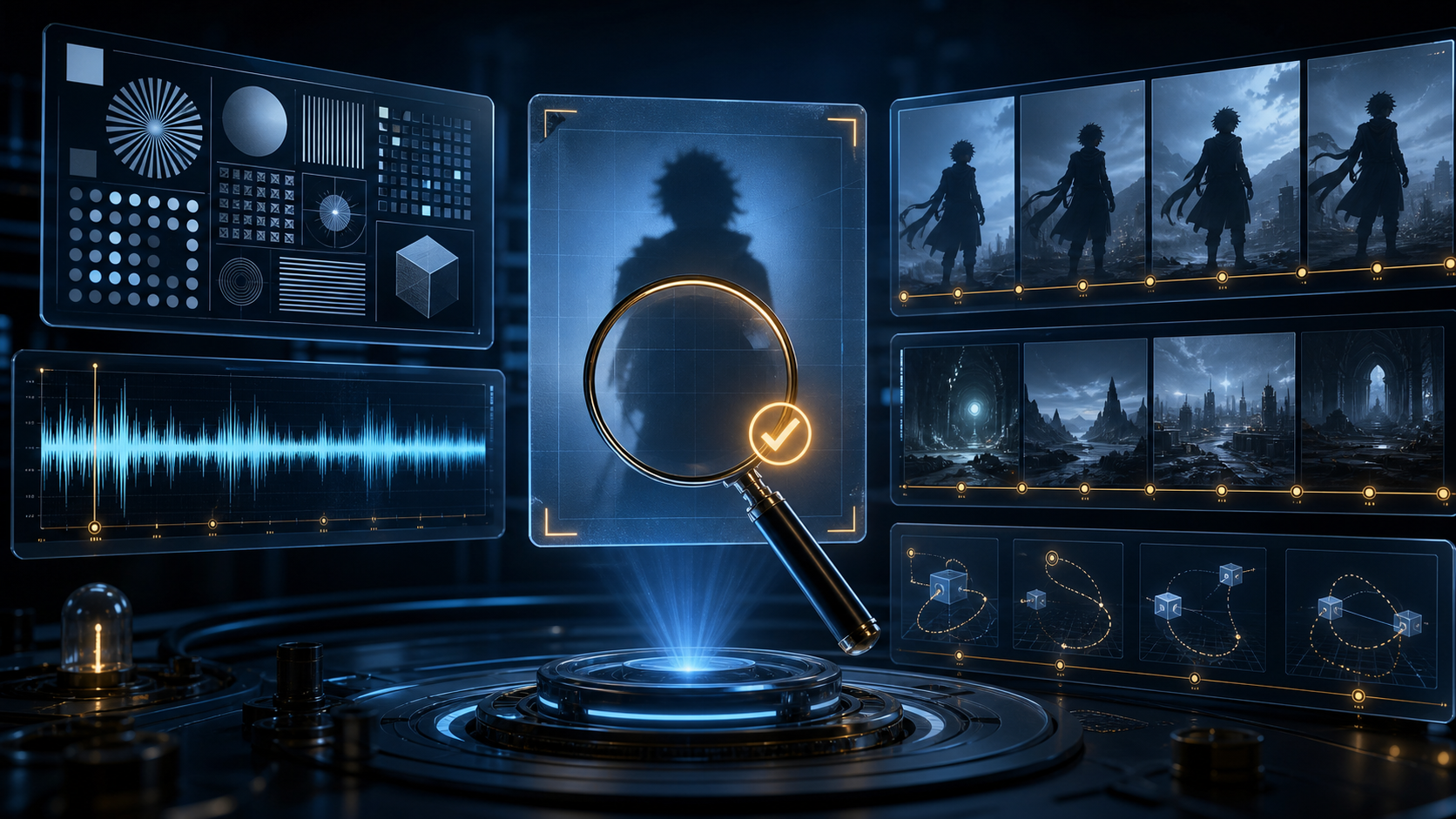
An evidence-led MiniMax H3 review separating documented 2K, audiovisual, and pricing details from unverified performance and comparison claims.

A grounded look at how natural-language tools, multimodal AI, agents, and UGC could lower game-creation barriers without replacing developers or guaranteeing complete worlds.
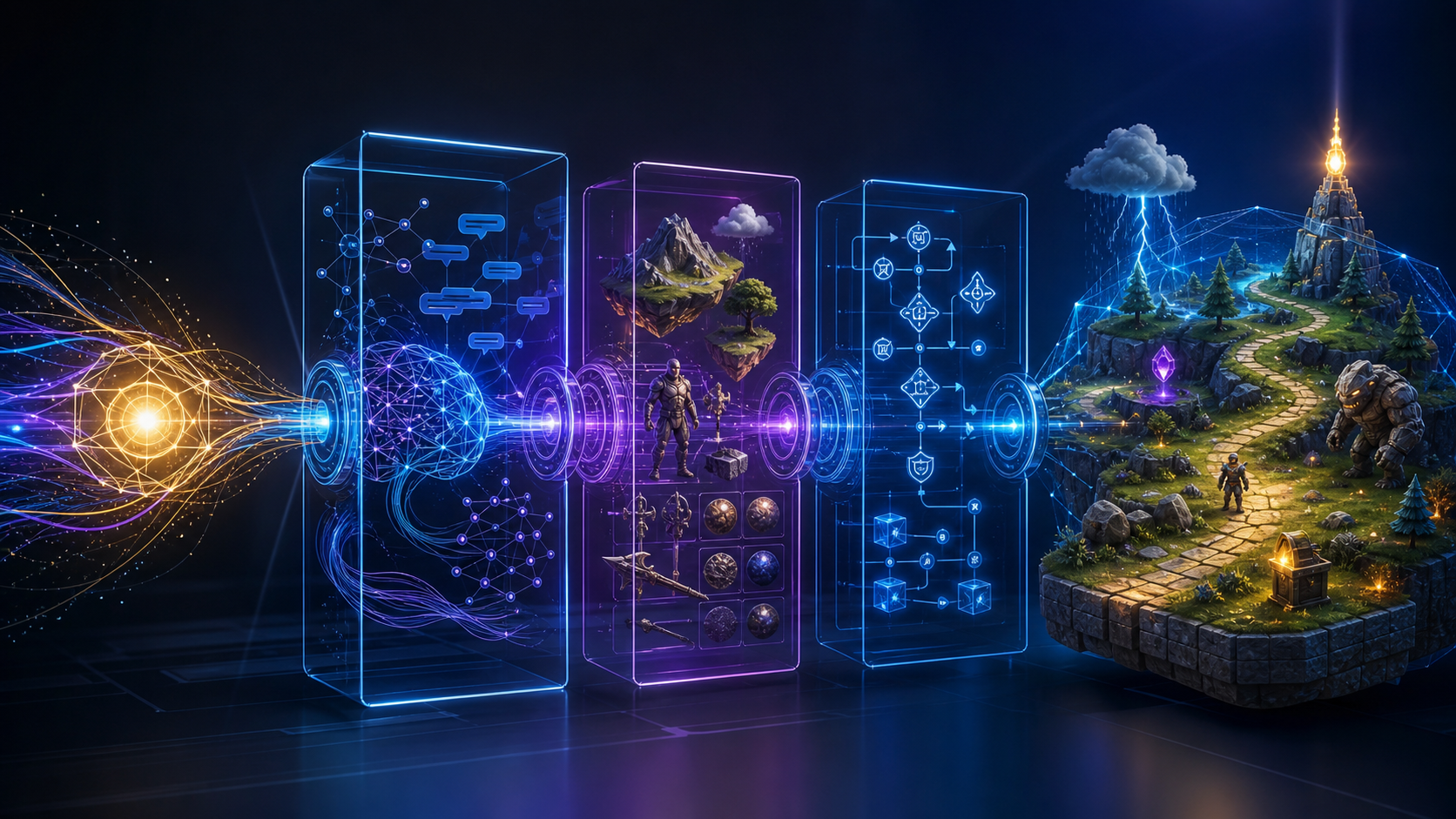
Learn what AI game generators can realistically assist with in 2026, how their three technical layers work, which experiences they suit, and where limits remain.
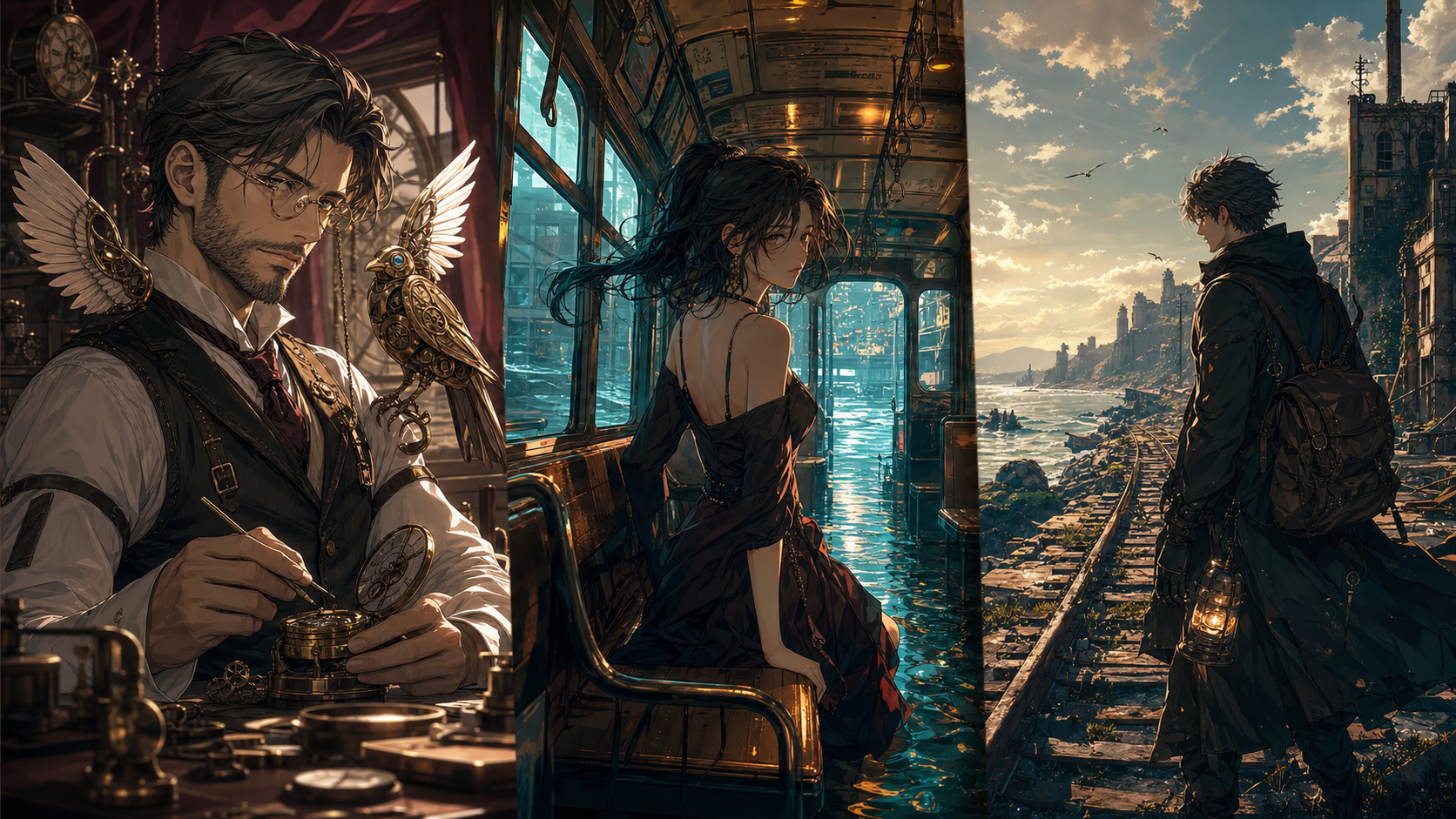
Use ten adaptable AI anime prompts to improve character design, camera direction, lighting, backgrounds, action, emotion, and visual consistency.
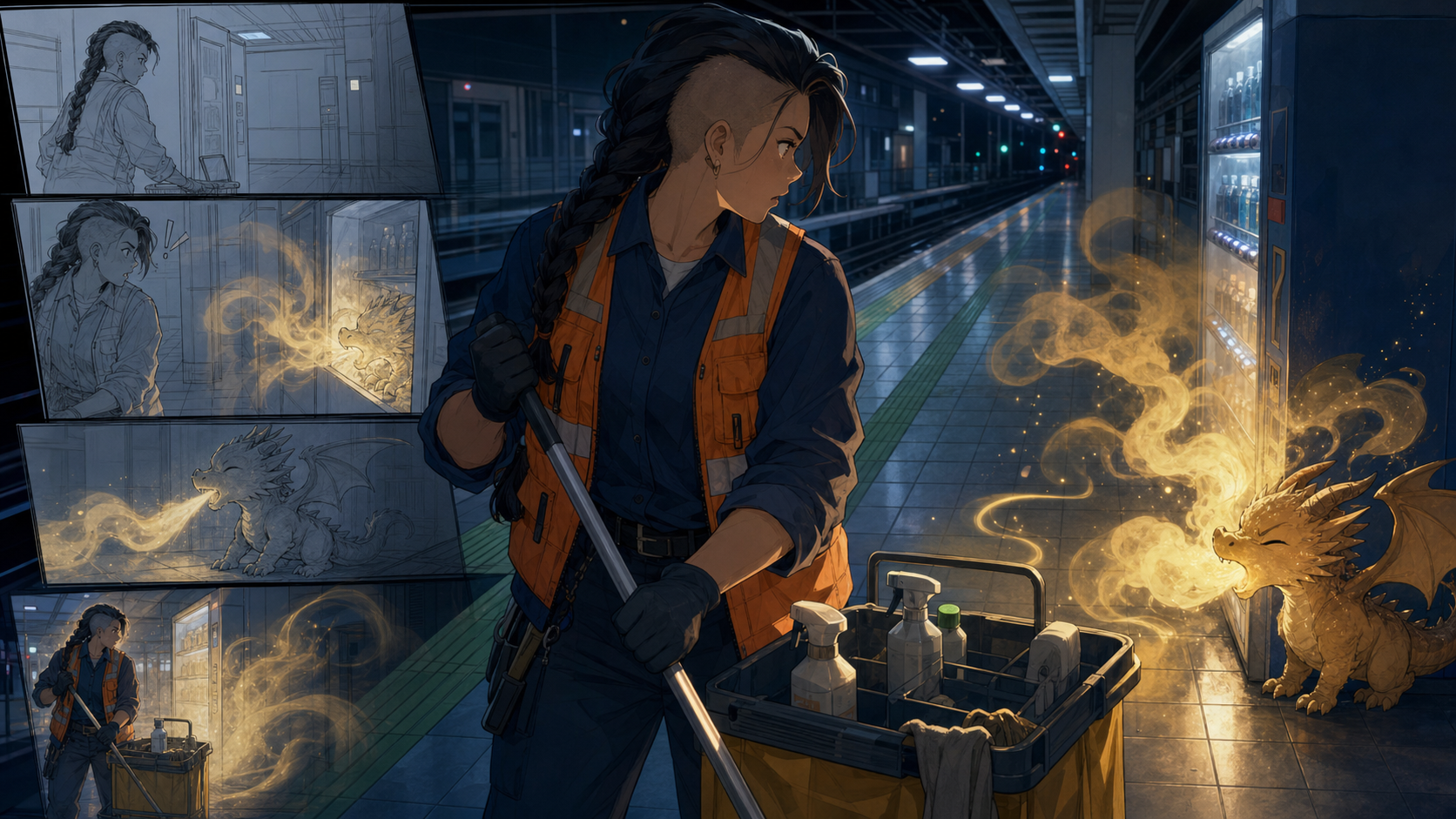
Turn a text idea into anime characters, connected scenes, and a finished visual story with a practical workflow for scripts, references, storyboards, and editing.
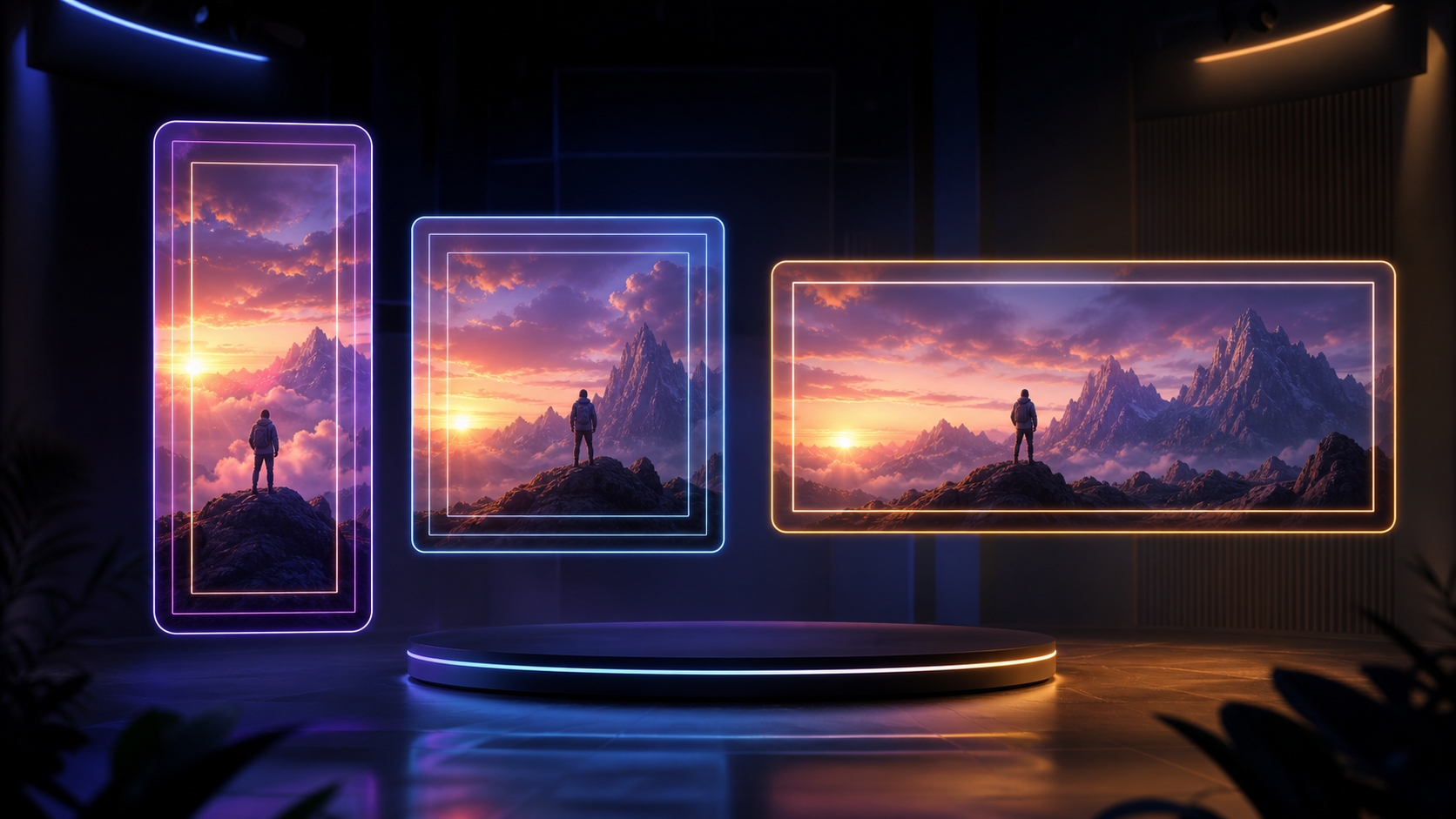
Plan 9:16, 4:5, 1:1, and 16:9 AI videos that keep subjects, captions, and calls to action visible after publishing.
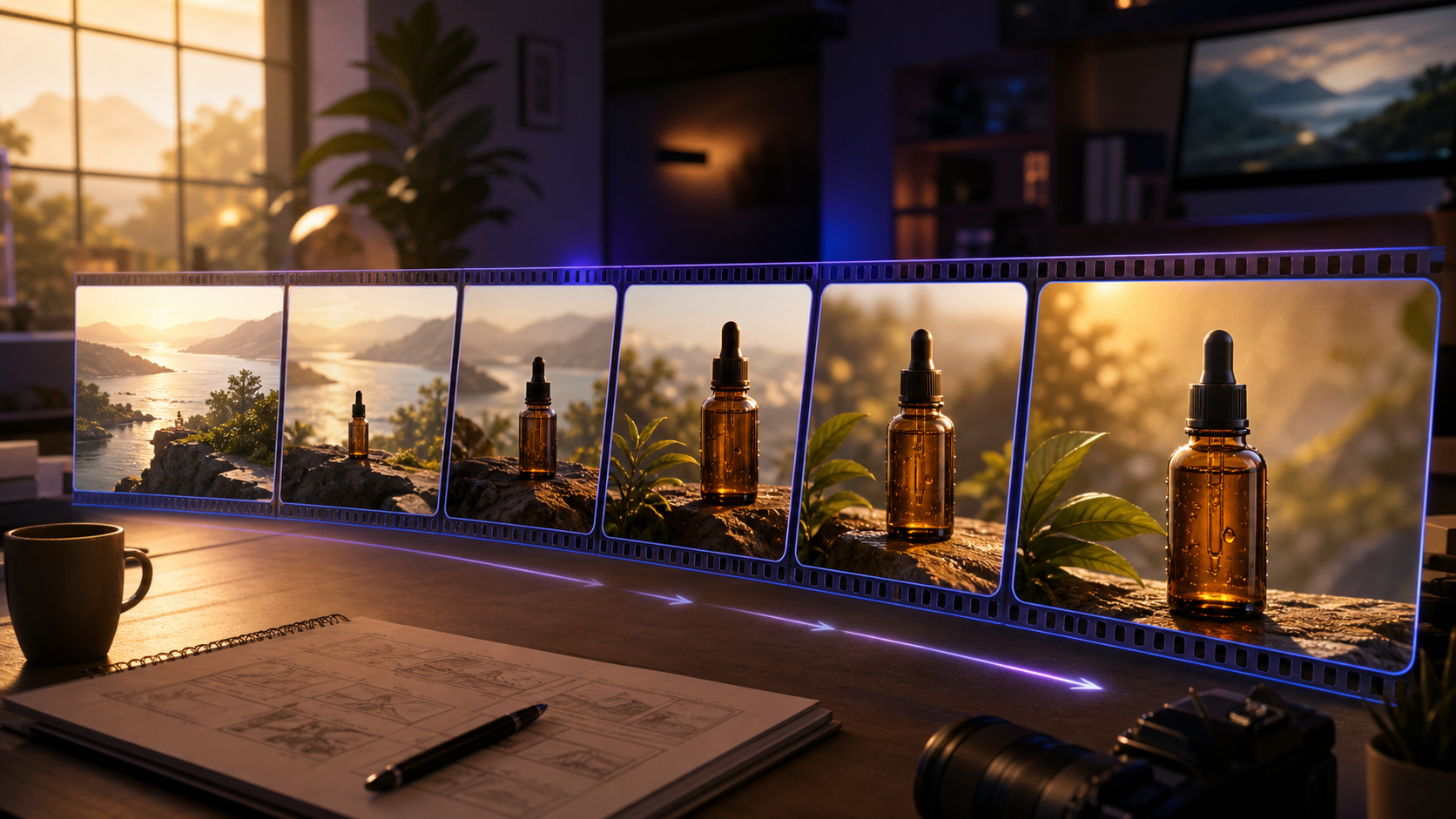
Build a coherent AI video from still images with a six-shot template, continuity rules, prompt cards, versioning, and practical QA.
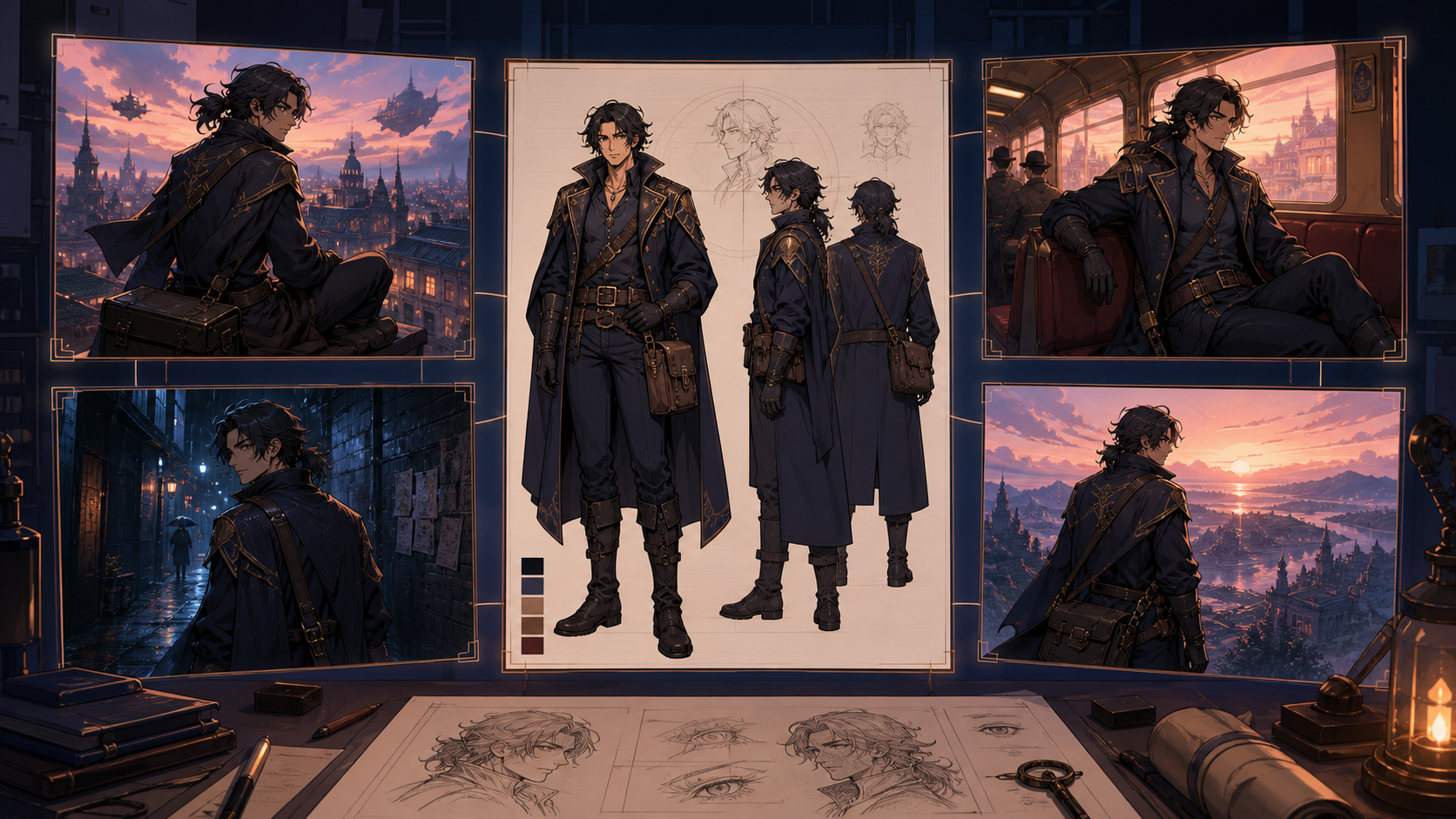
A practical anime AI generator workflow for keeping faces, hair, outfits, props, colors, and locations consistent across images, comics, and video.
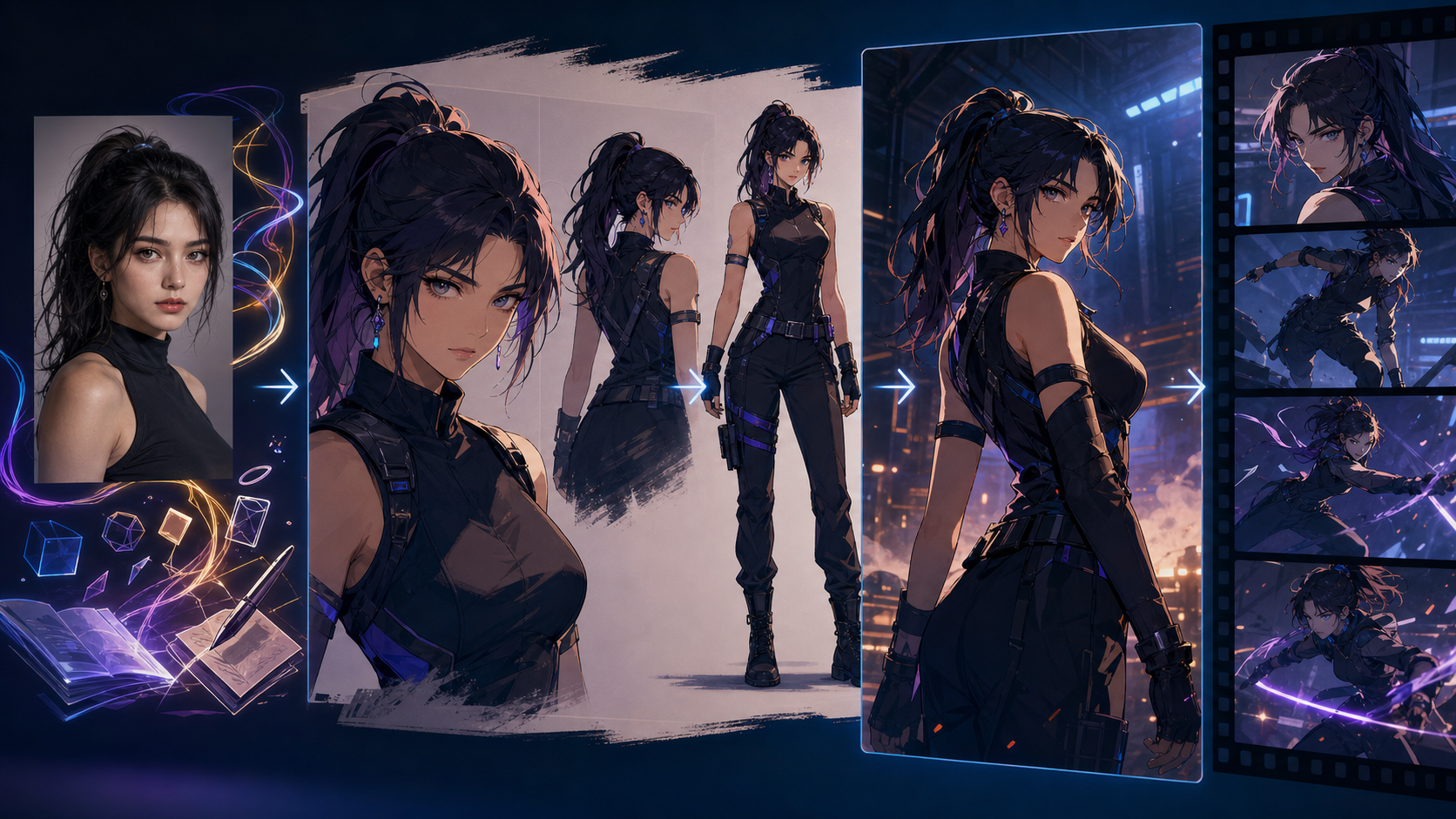
Choose the best AI anime generator for text prompts and photo-to-anime art with a practical 2026 comparison of workflow, consistency, control, rights, and cost.
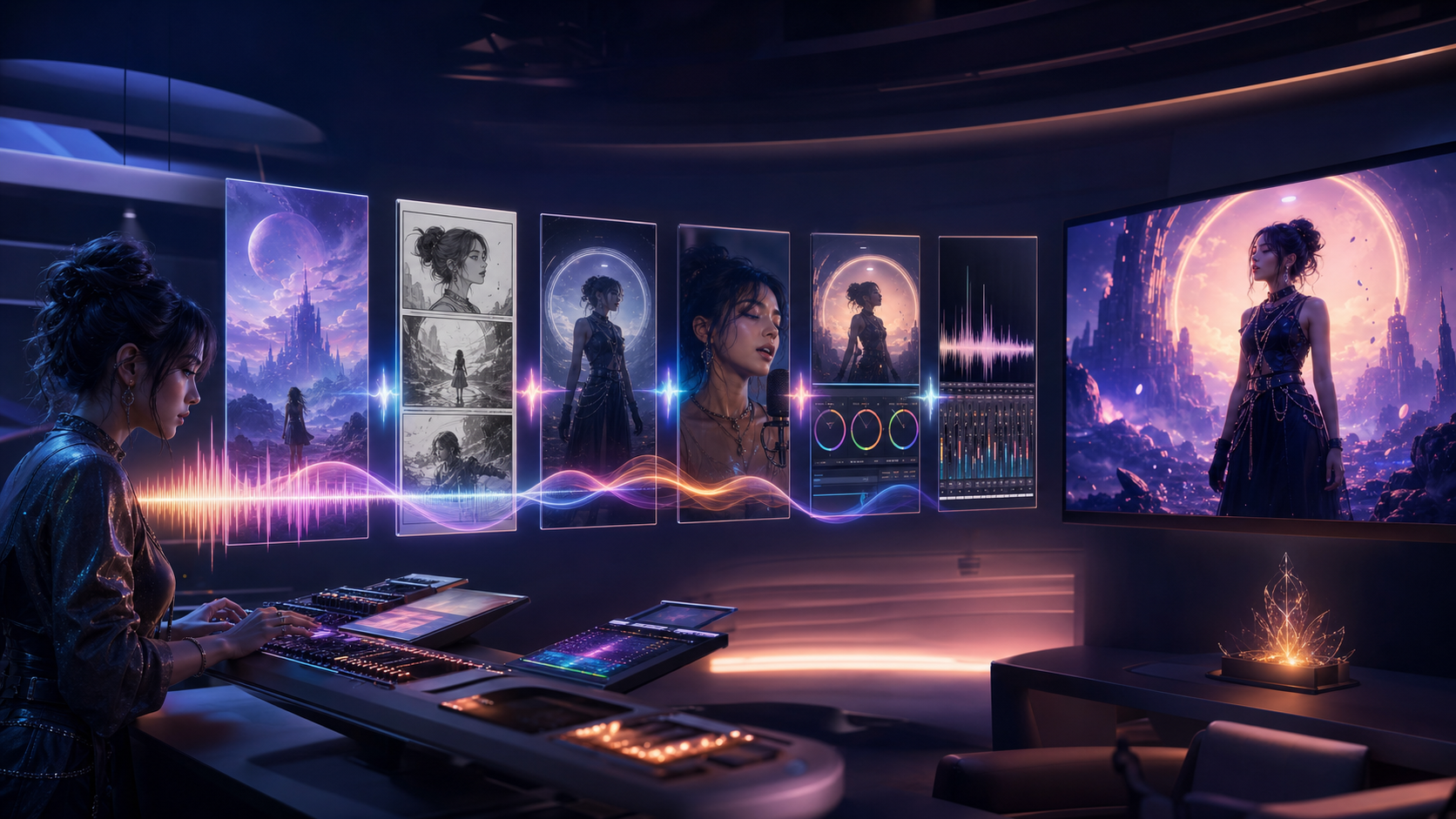
Build a directed pipeline for music, storyboards, cinematic shots, lip sync, editing, sound, and rights review.
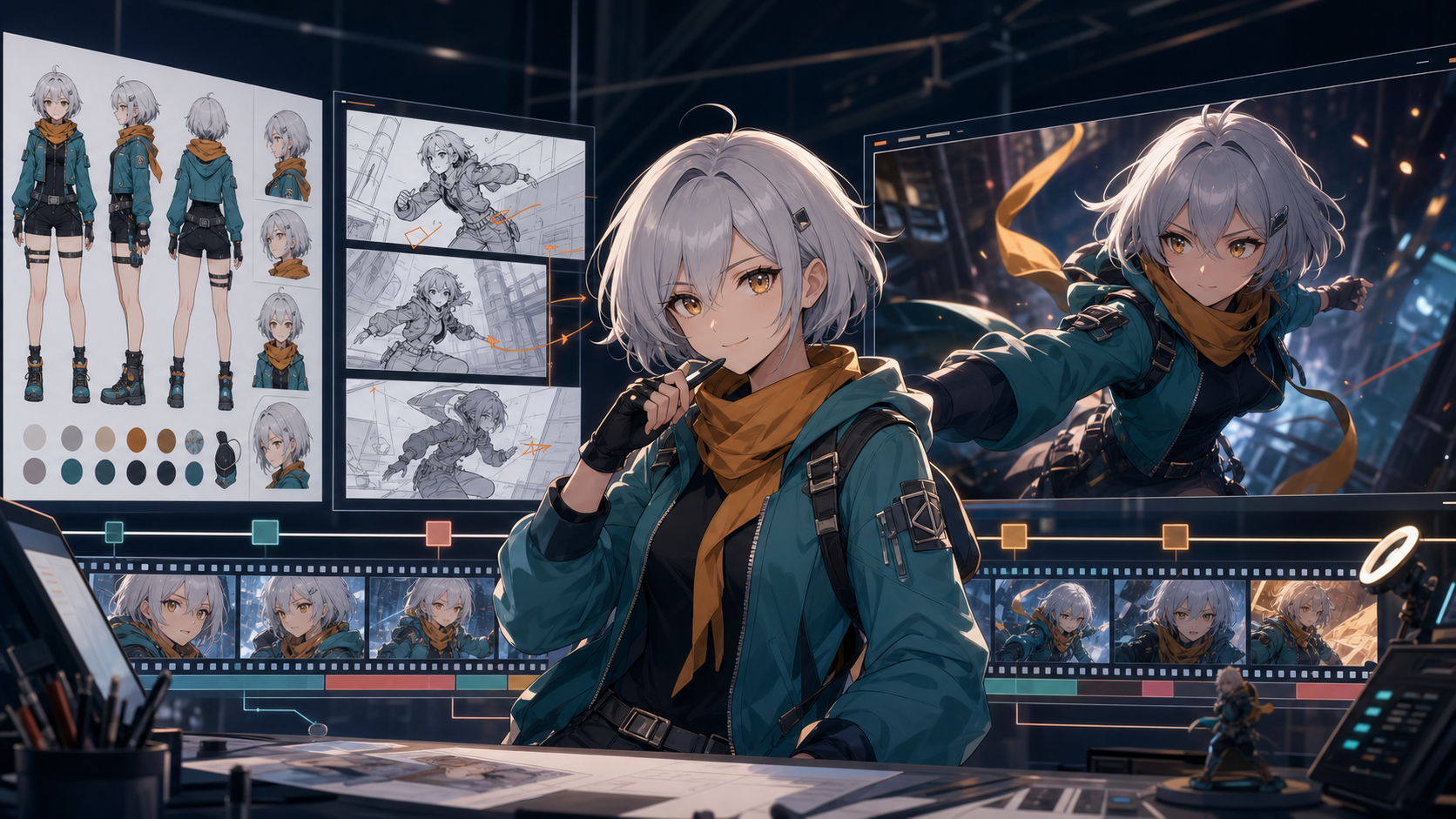
Compare leading anime video workflows by character consistency, motion control, audio, revision cost, and production fit.
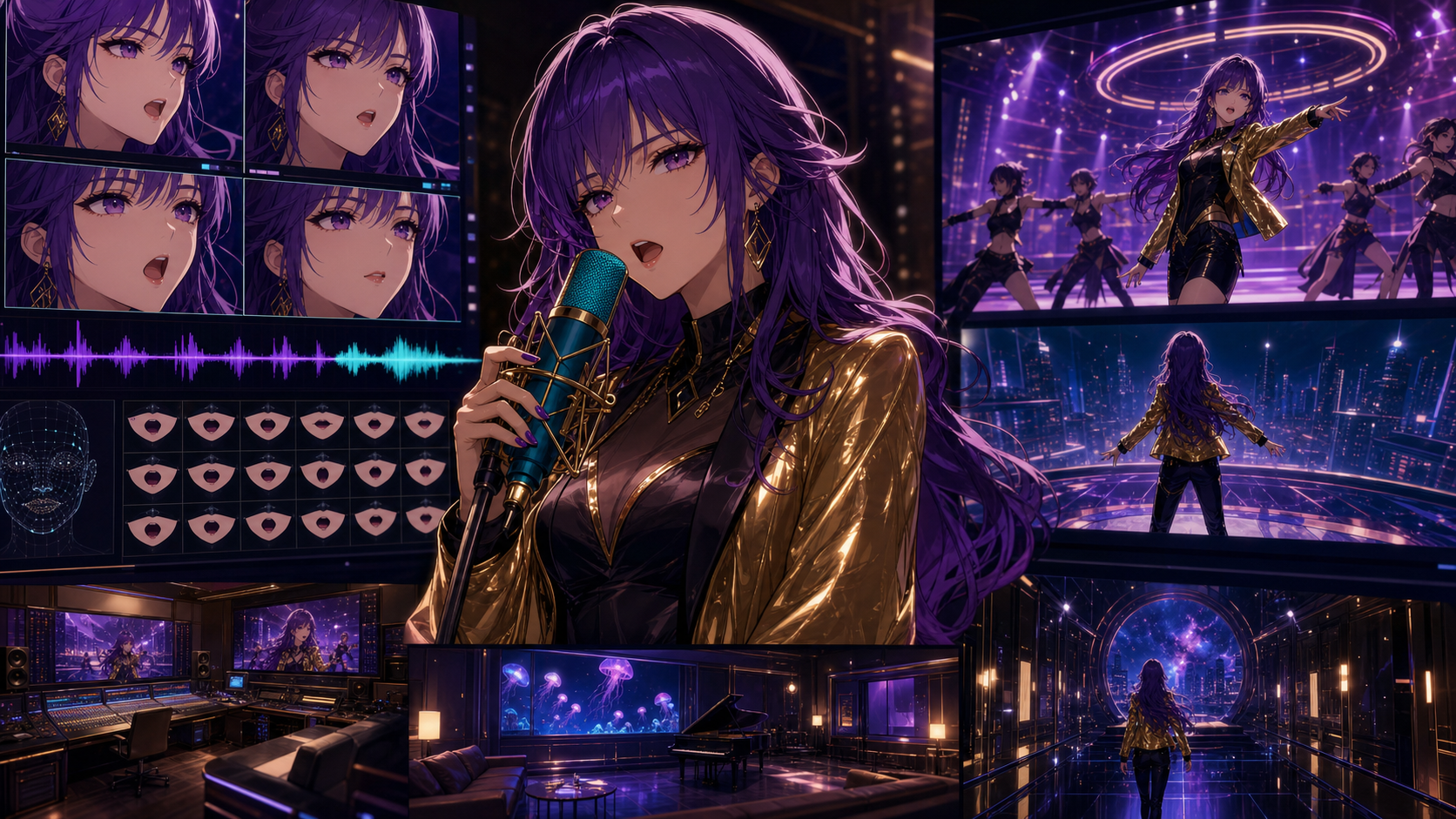
Compare specialist lip-sync tools and cinematic video models, then build a reliable anime performance workflow shot by shot.
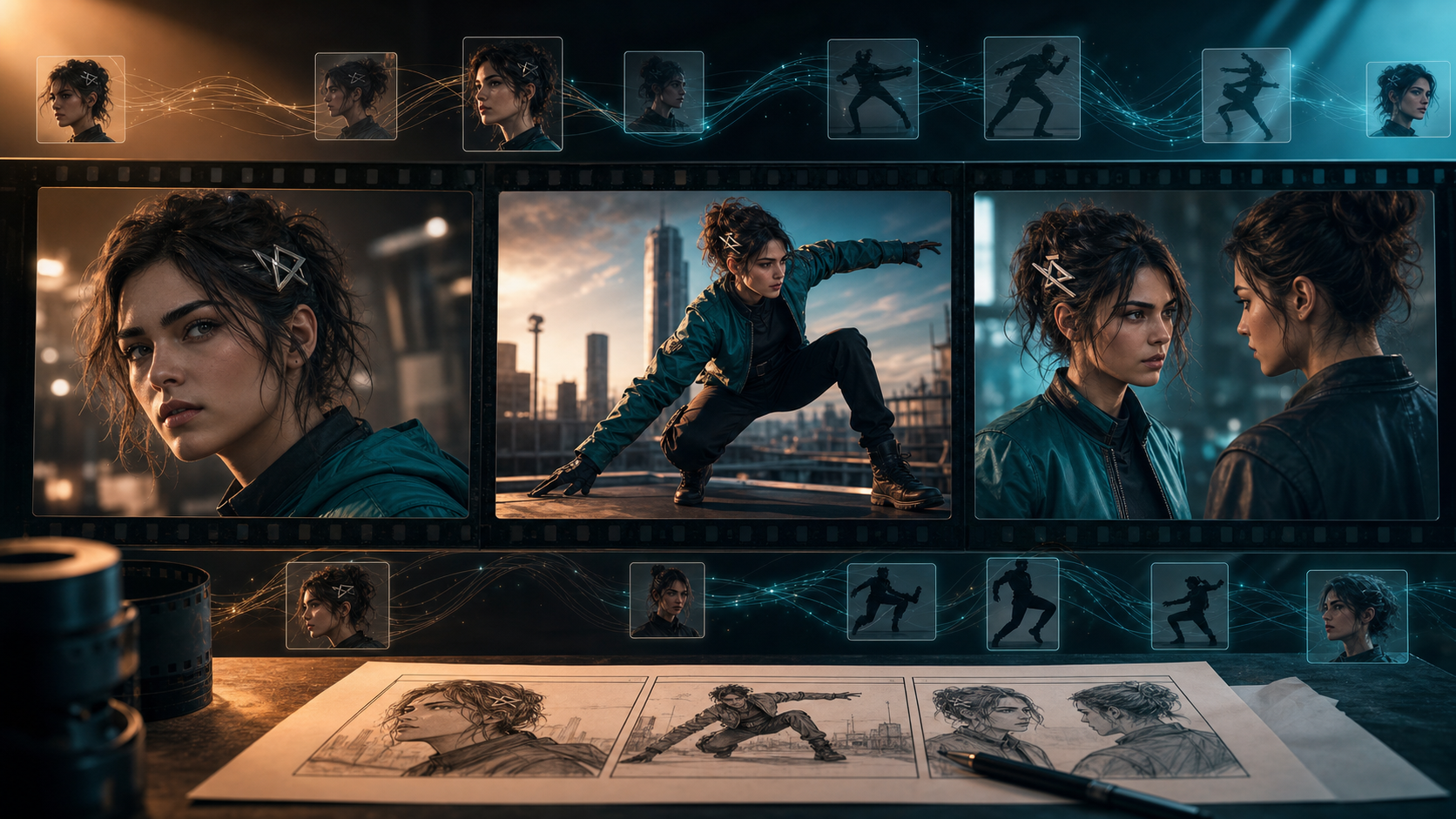
Compare Kling 3.0, Seedance 2.0, Veo 3.1, Runway Gen-4.5, and Luma Ray3.2 with a repeatable character-consistency test.
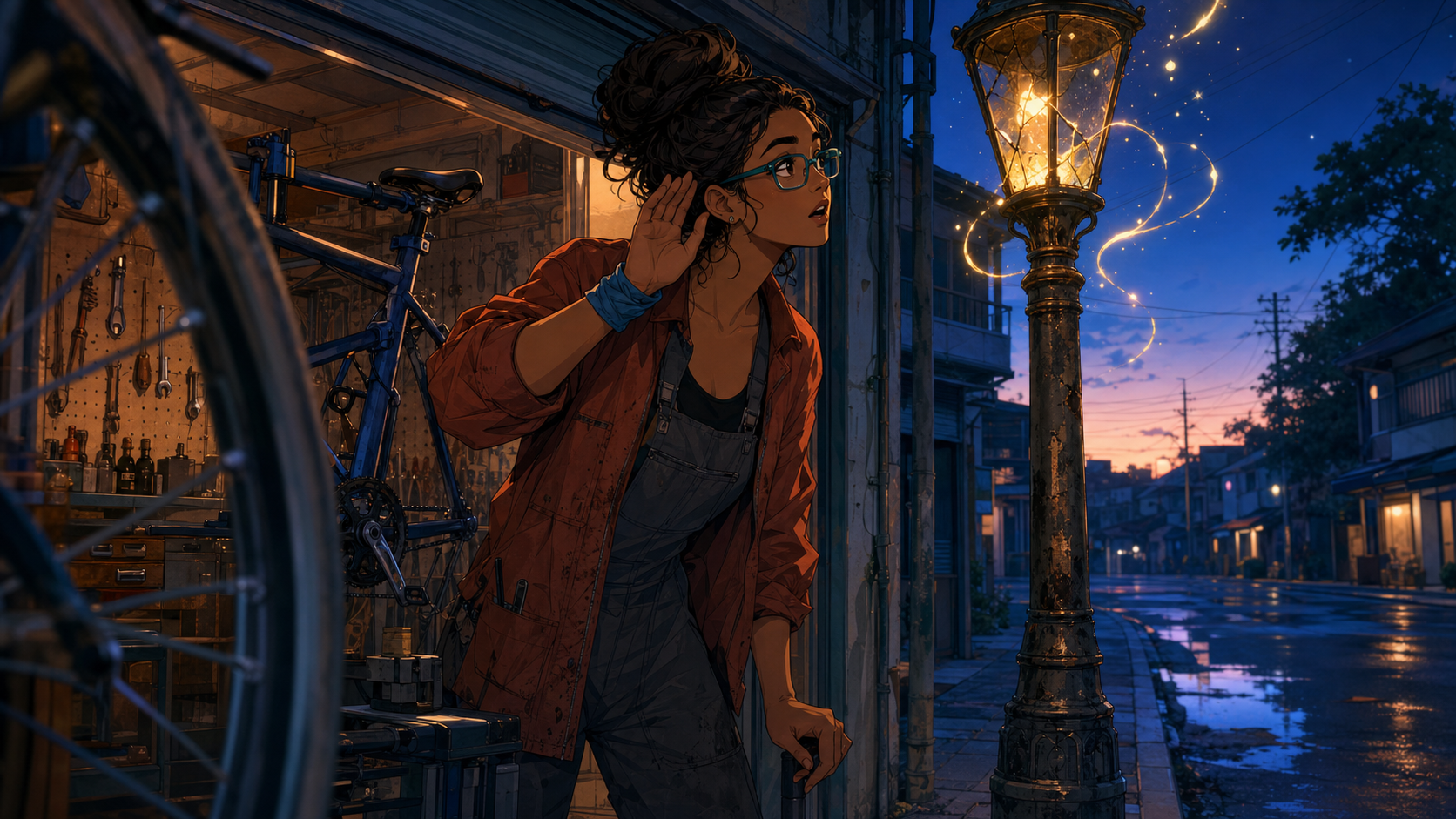
Choose a beginner-friendly anime maker and follow a low-stress workflow from a rough character idea to a finished, story-ready anime scene.
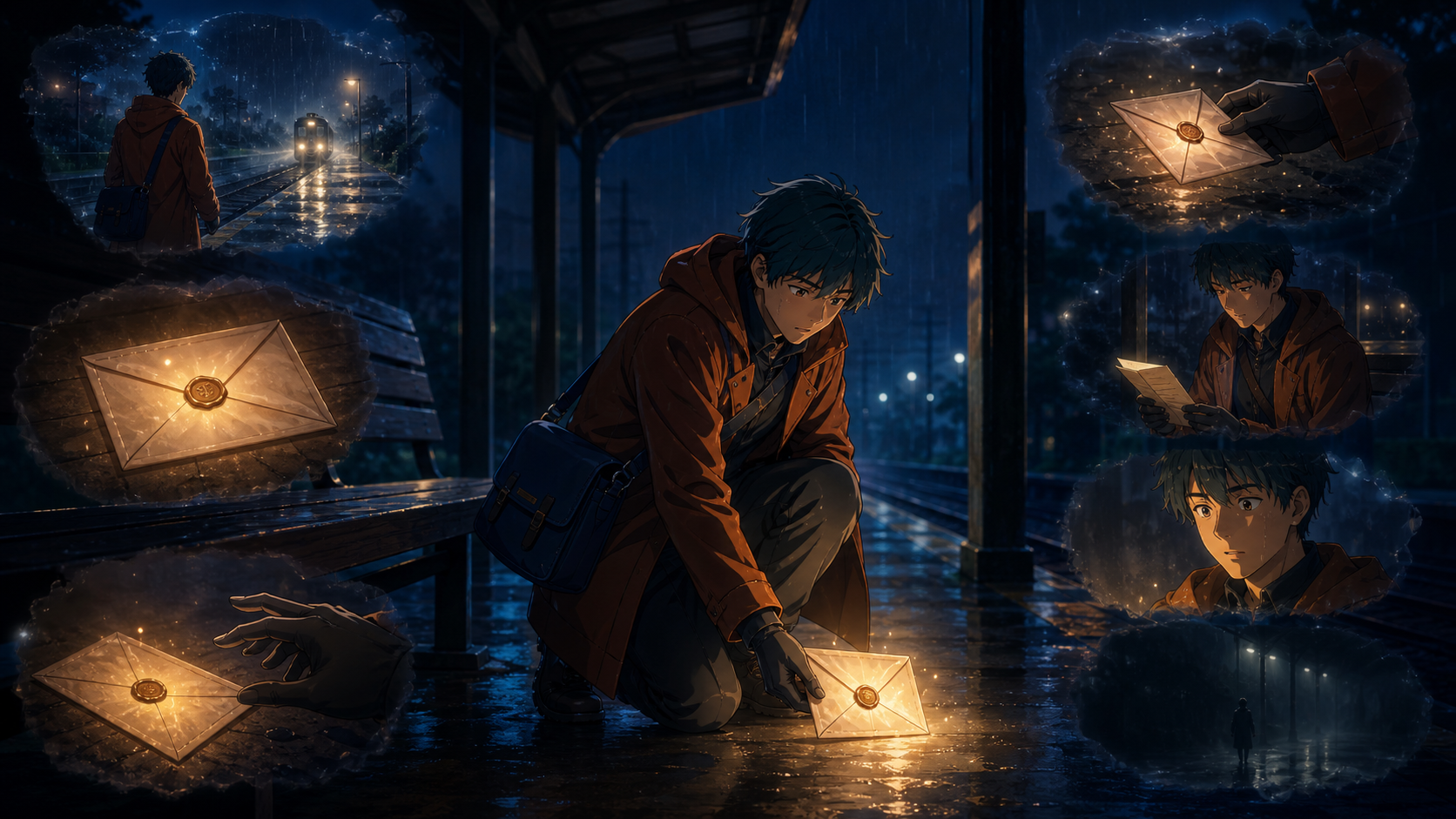
Compare free anime video workflows and finish a practical 30-second project with one character, six shots, and a clean edit.