DeepFake Blog
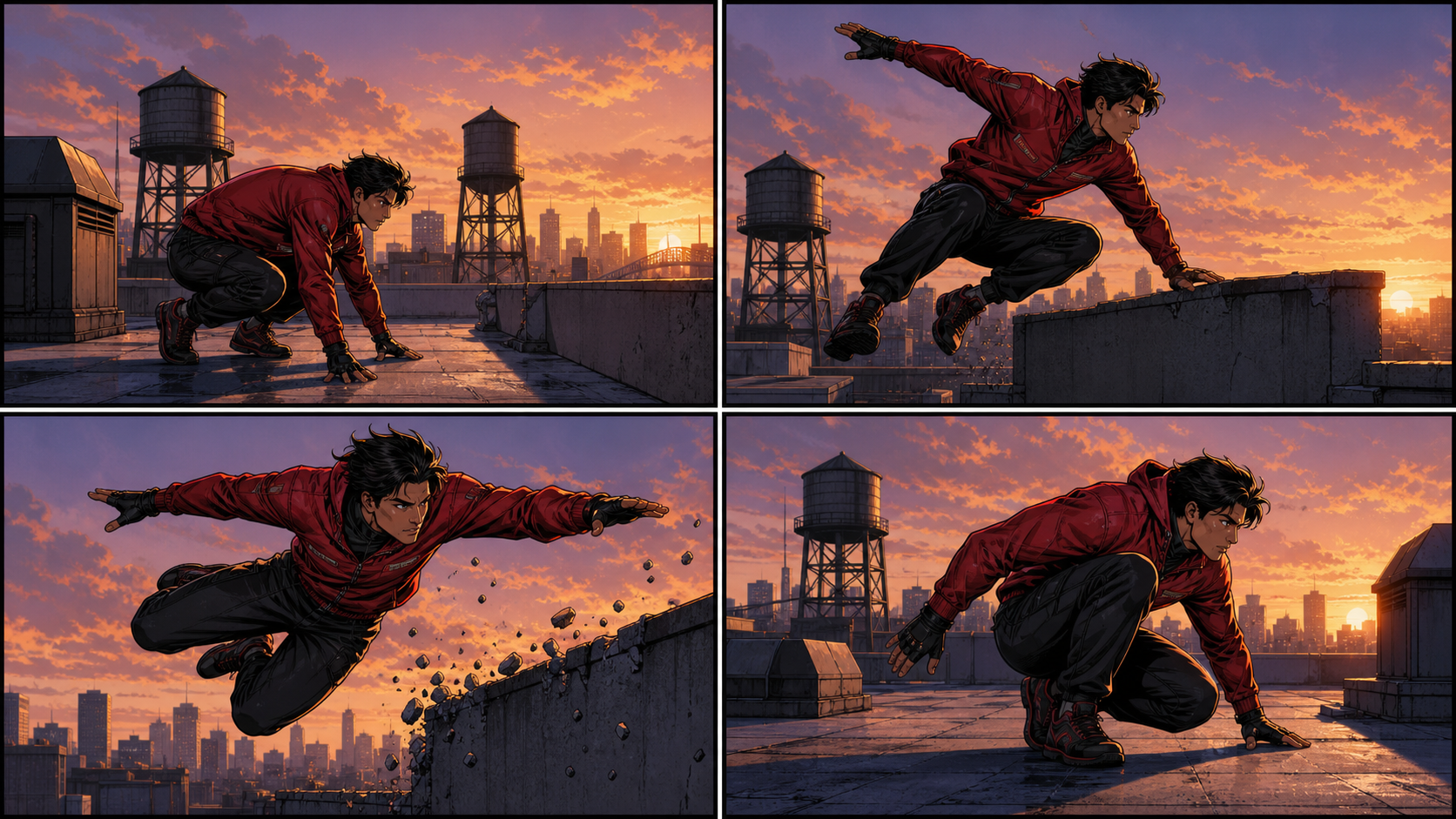
How to Create Action Scenes With an AI Comic Generator
Design readable comic action with clear geography, visual beats, controlled camera choices, and focused panel revisions.
Read post
Simple guides, updates, and examples for AI video, AI image, and AI audio creation — all in one studio.
Design readable comic action with clear geography, visual beats, controlled camera choices, and focused panel revisions.
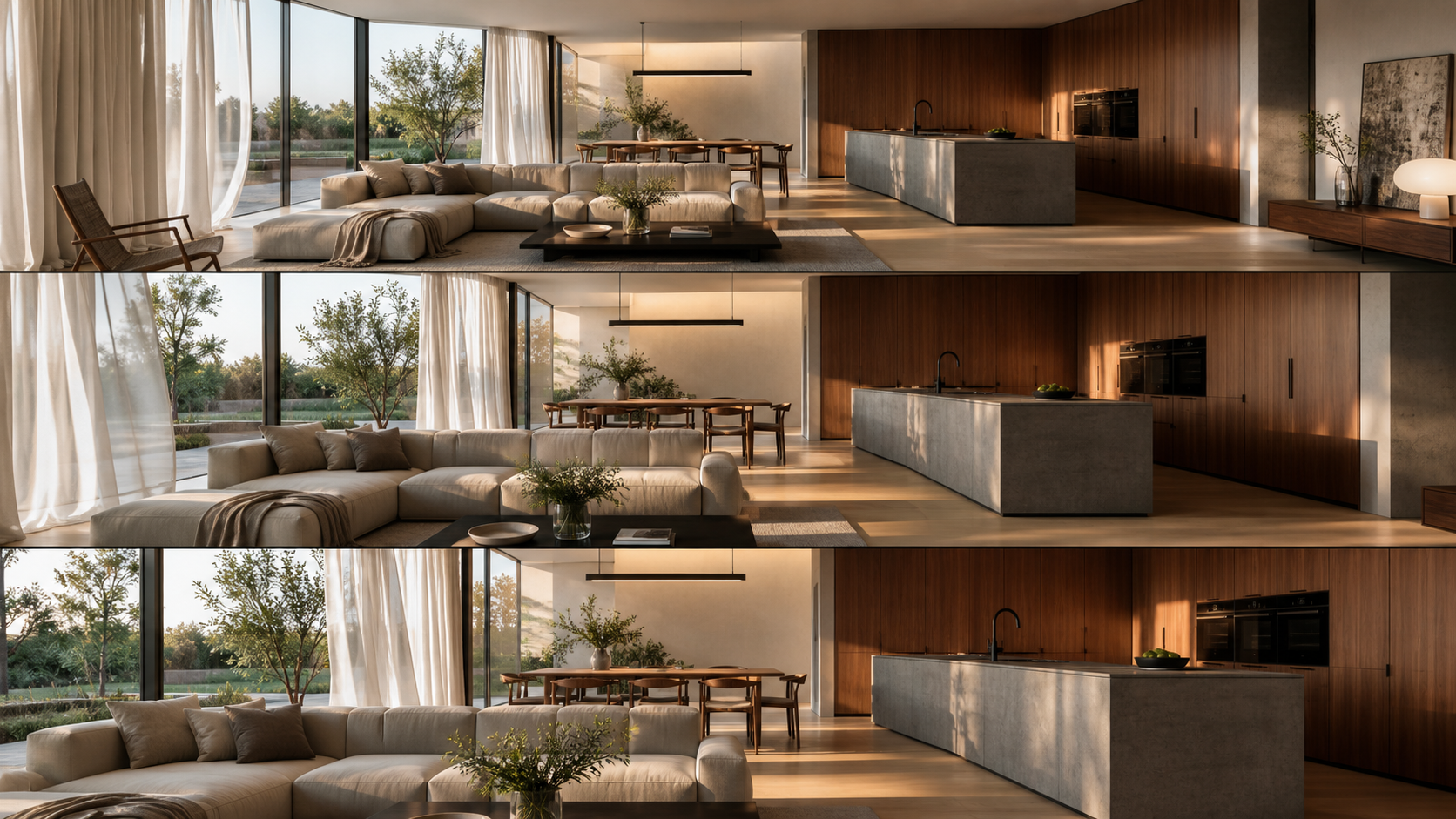
Turn an approved architectural render into a controlled motion concept with careful source preparation, prompting, and frame-by-frame QA.
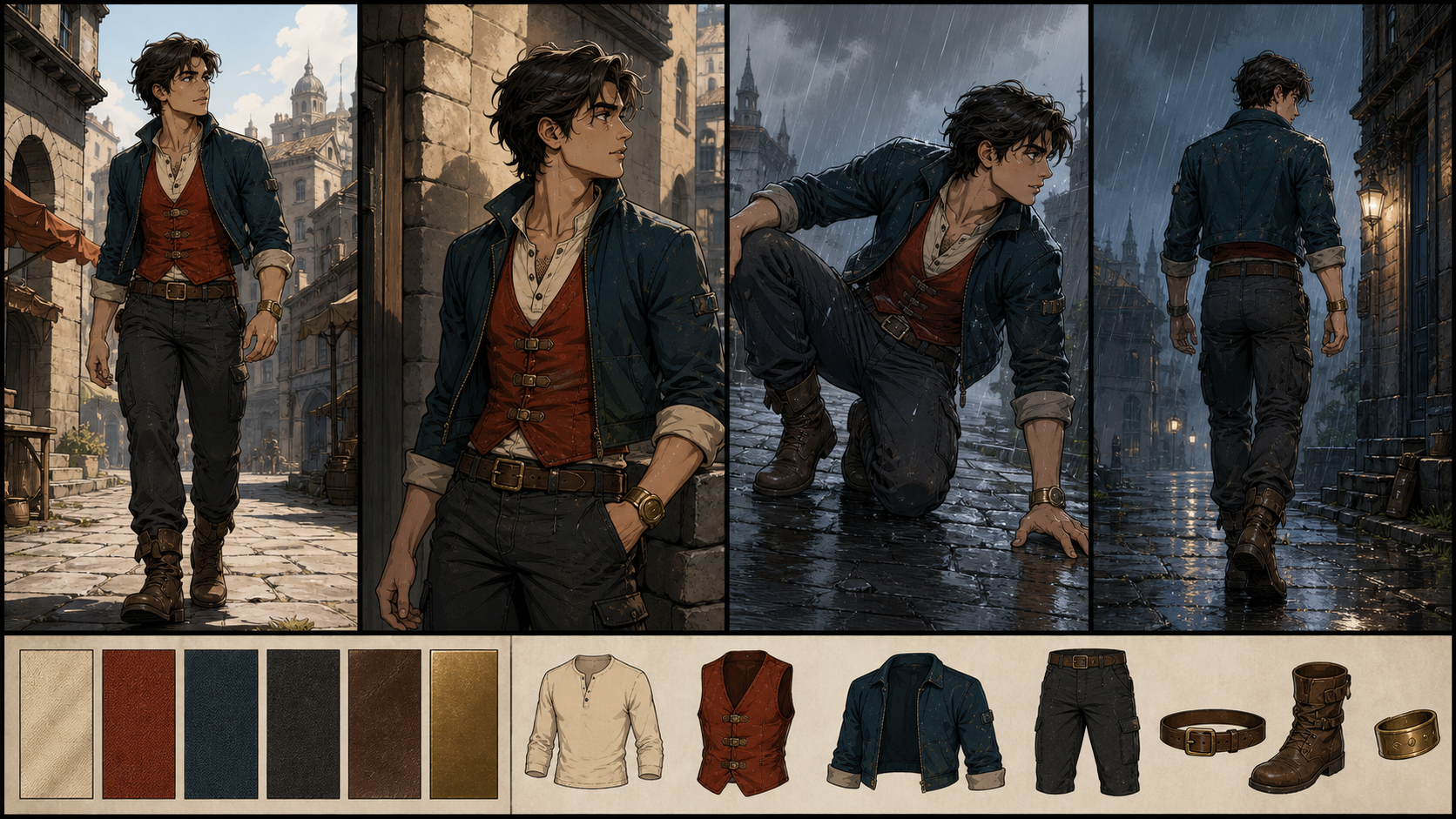
Build a wardrobe continuity system for garment layers, colors, closures, accessories, weather, damage, and scene changes.
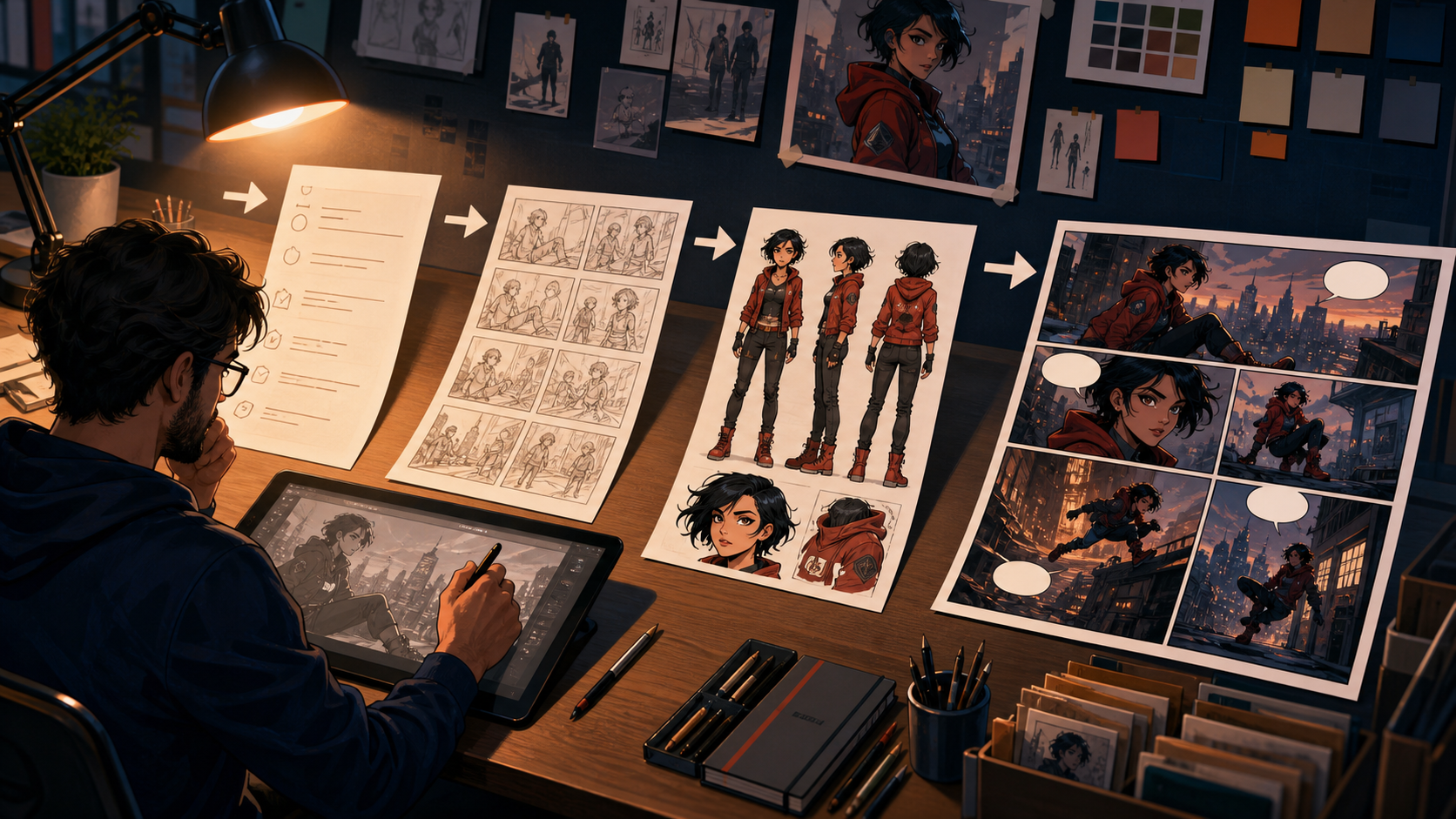
A complete production workflow for turning a story idea into consistent, editable comic panels and clean dialogue.
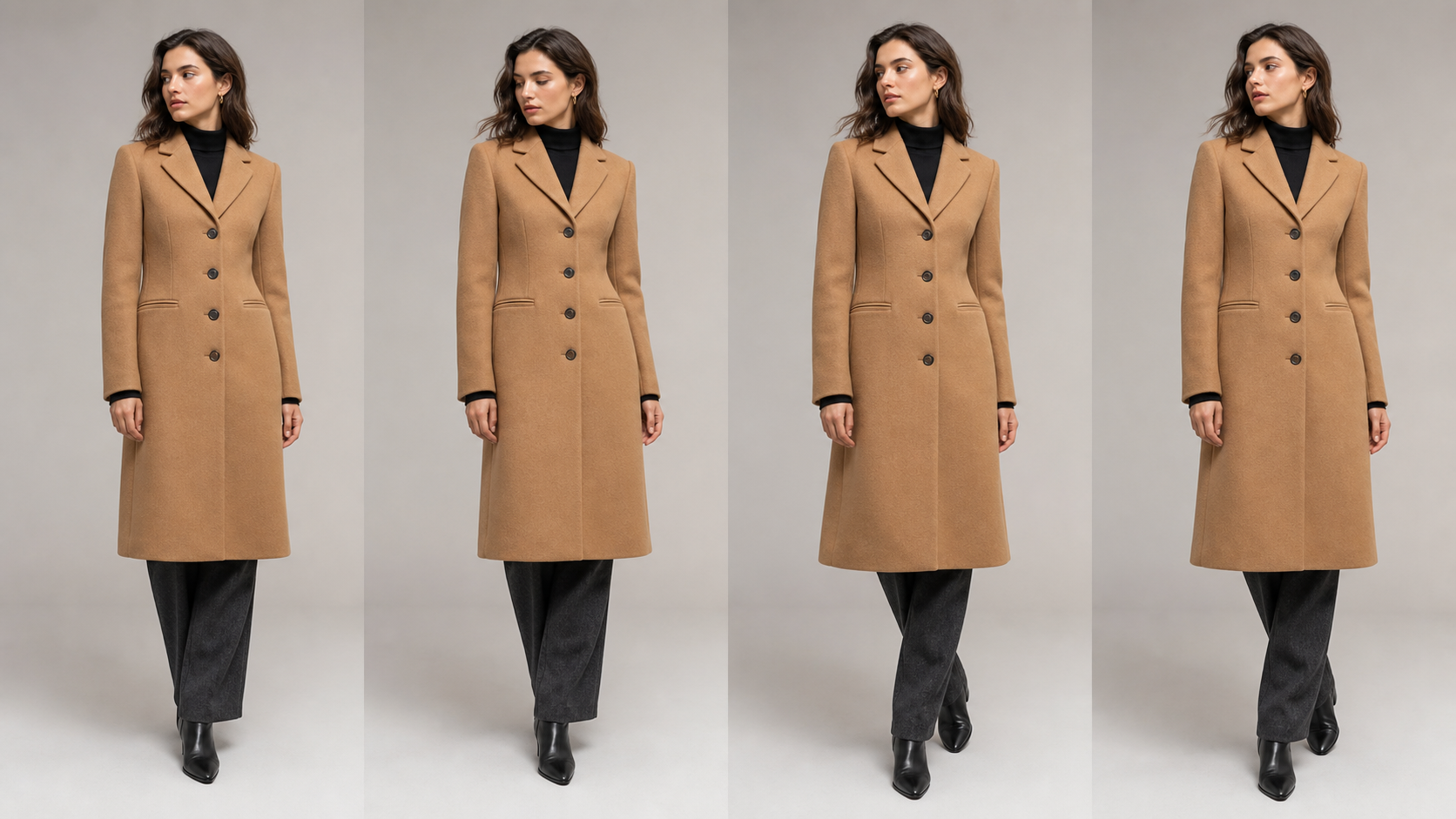
Turn fashion stills into usable motion clips with garment-safe prompts, aspect-ratio planning, product-level QA, and batch testing.
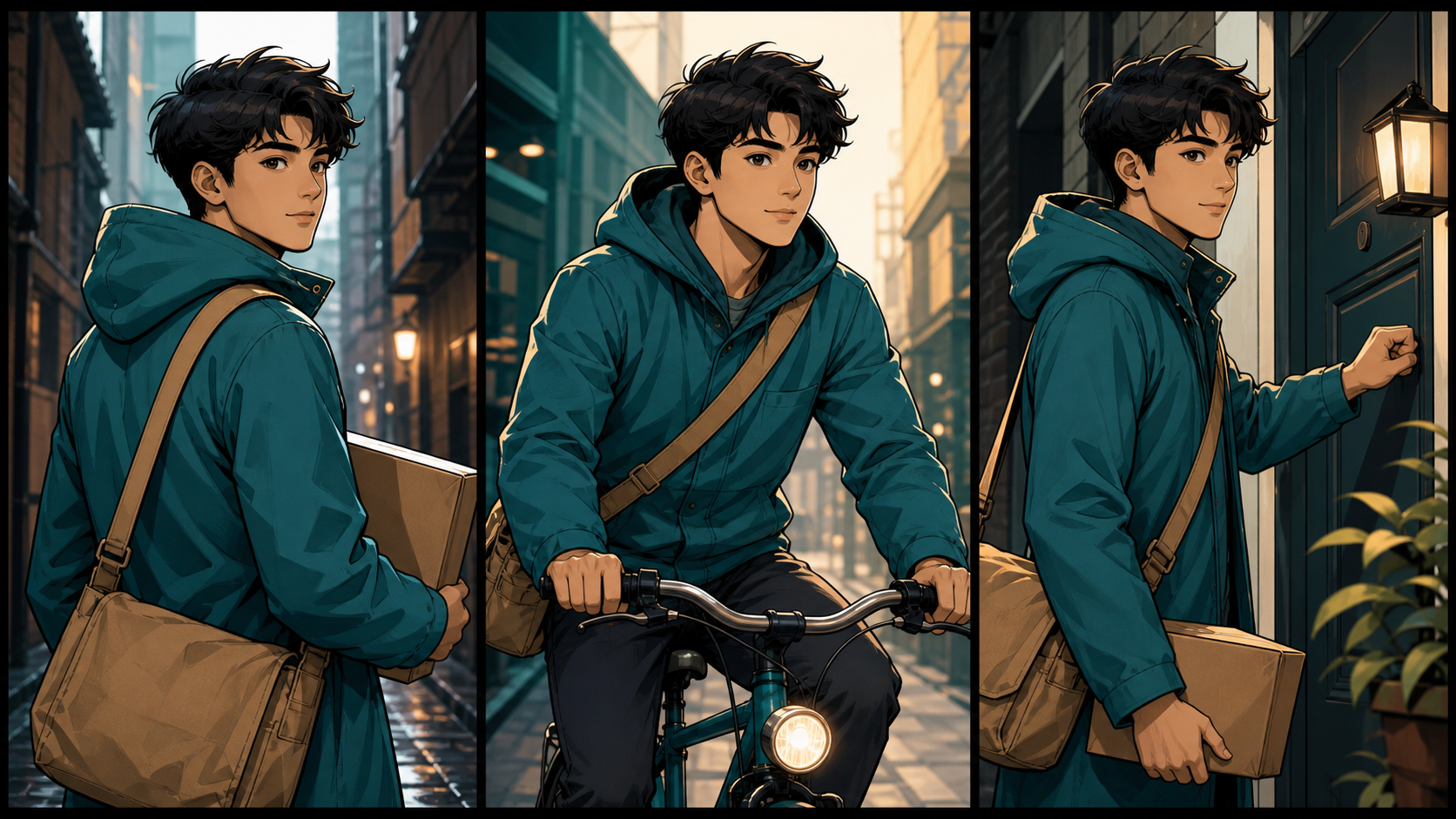
A practical continuity workflow for keeping faces, outfits, props, and proportions consistent across AI comic panels.
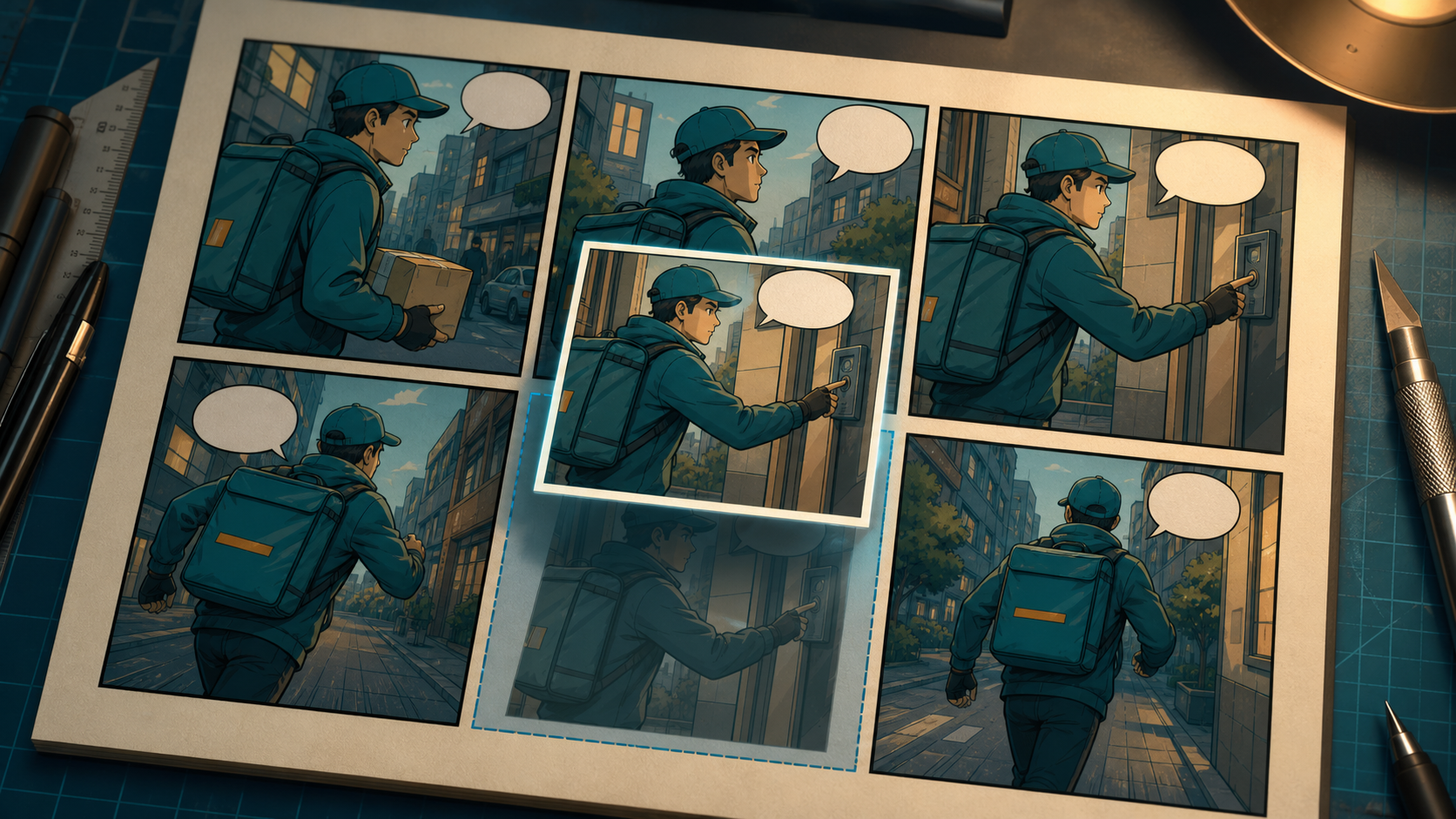
Repair a weak AI comic panel while preserving page rhythm, character identity, movement, dialogue space, and surrounding art.
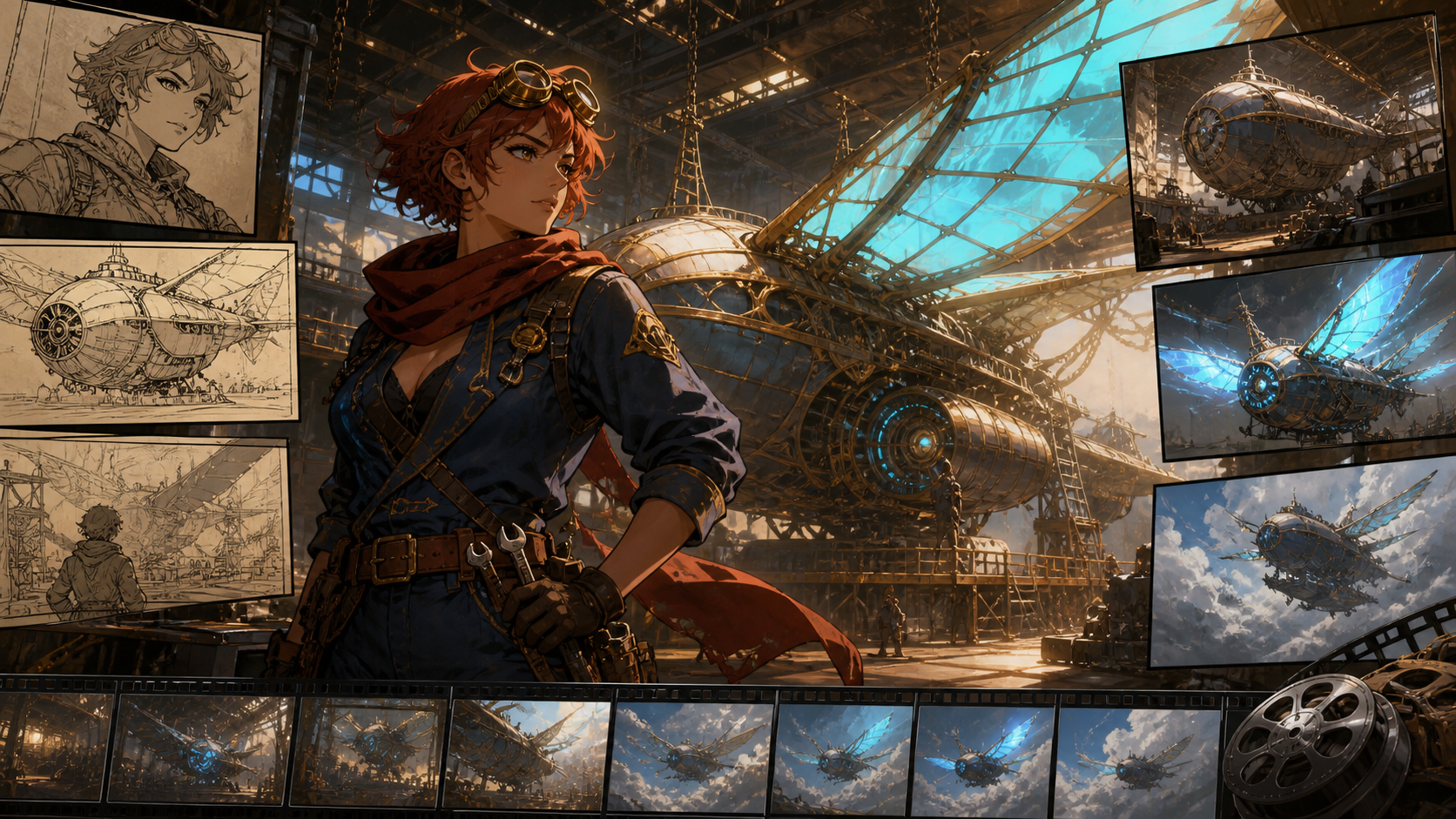
Plan an original anime short through production briefs, character sheets, shot maps, multimodal references, risk-first generation, sound, and final editing.
A practical look at the August 2026 Plum video announcement, Berry 2's new 480p option, and a smarter preview-to-final workflow.
Compare DeepFake, Kling, Luma, Hailuo, and PixVerse by workflow fit, continuity, audio, output rights, and production tradeoffs.
A practical workflow for animating a still character while controlling identity drift, motion, framing, voice, and continuity.
Build a consistent virtual creator from identity design to images, short-form video, voice, publishing, analytics, and responsible monetization.
Turn one idea into a week of focused YouTube Shorts with better prompts, tighter openings, useful analytics, and a repeatable publishing cadence.
A practical workflow for turning an authorized adult portrait into an expressive short dance clip while protecting consent, privacy, and platform eligibility.
Turn one authorized adult character image into a vertical dance concept built around hooks, loops, licensed sound, audience participation, and platform-safe publishing.
Design a fictional adult companion character, animate a romantic scene, and protect consent, privacy, and creative rights throughout the workflow.
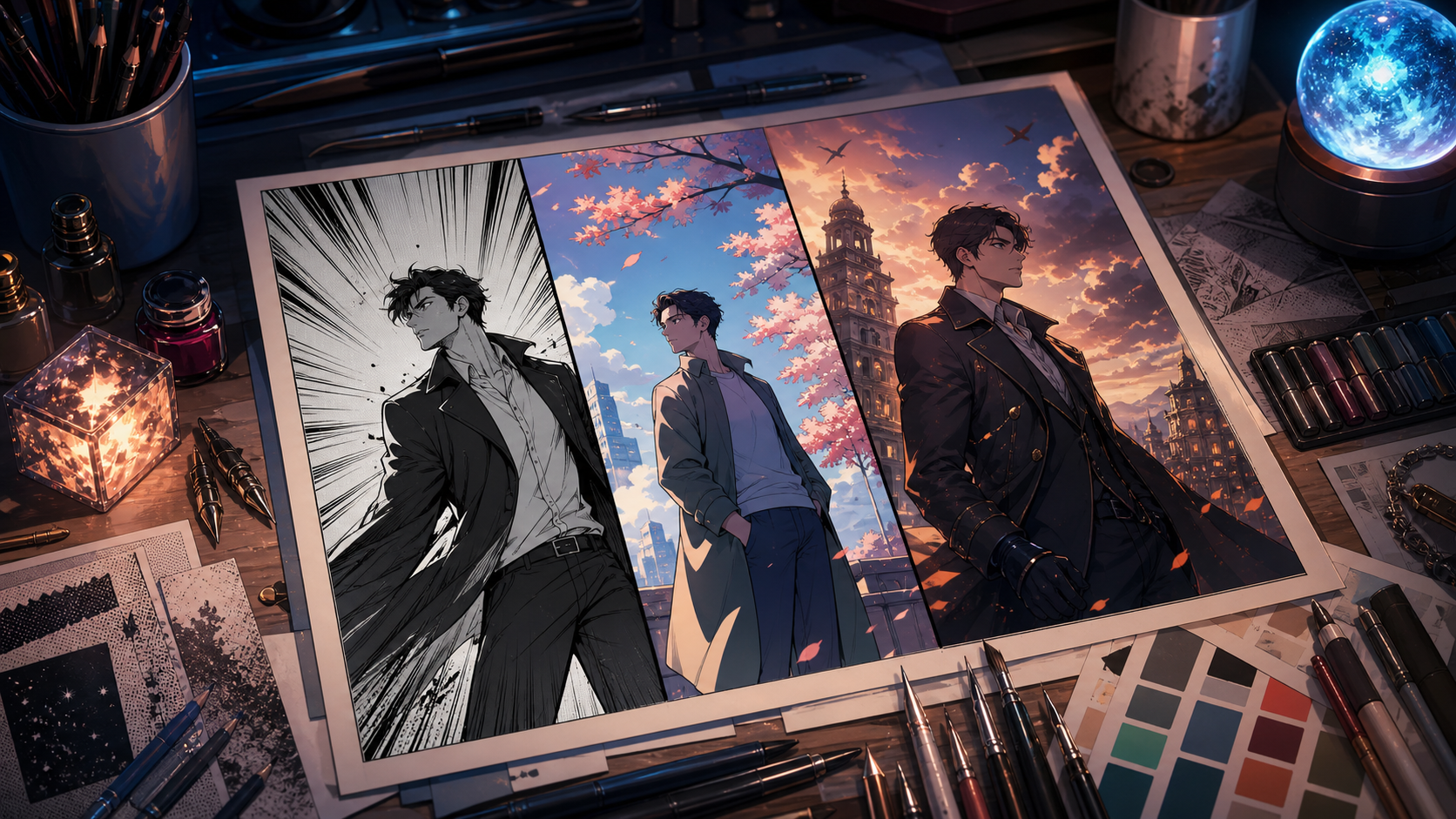
A practical comparison of free-to-start tools for character art, comic panels, page layouts, lettering, and anime-style production.
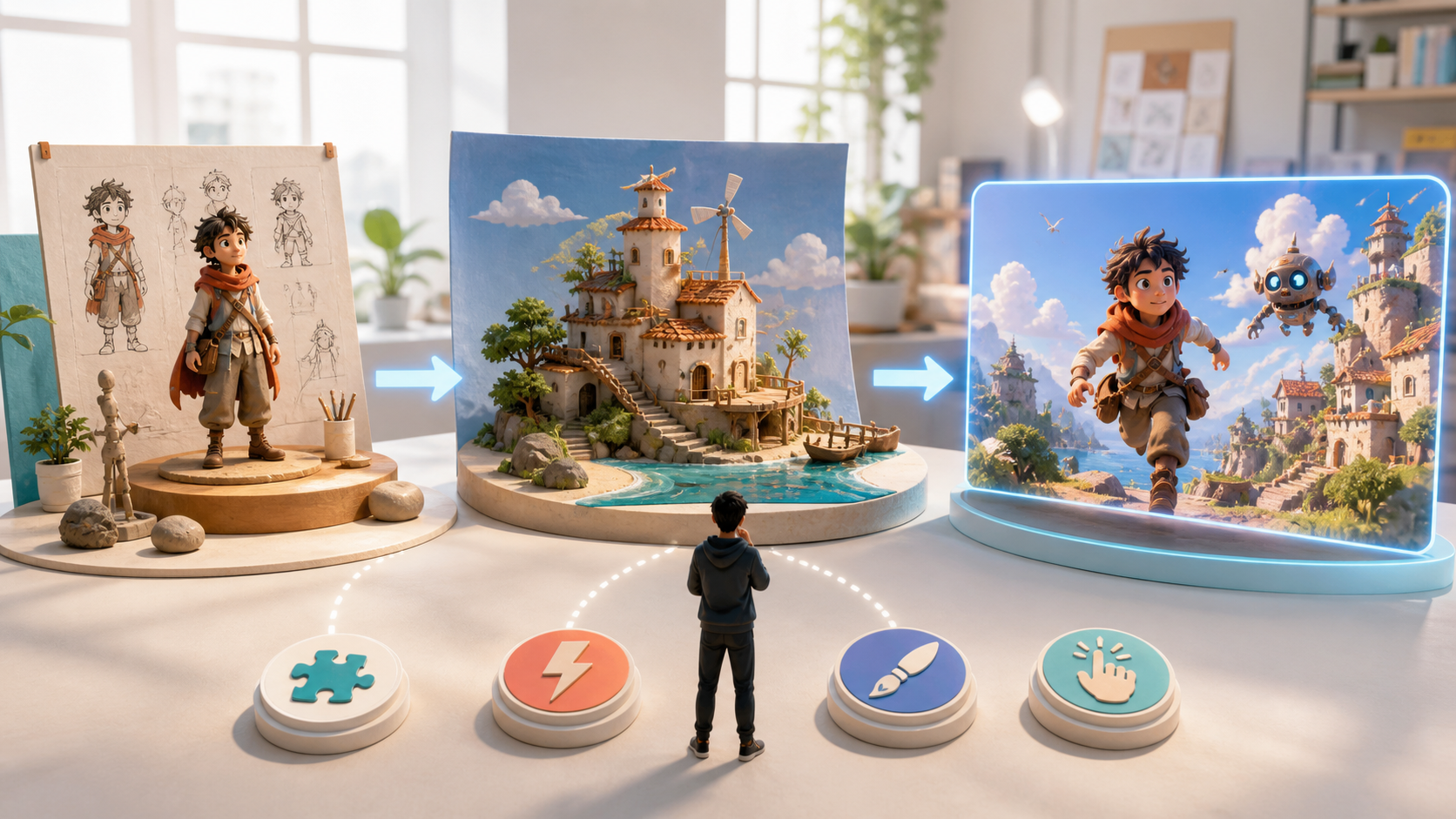
Choose animation AI tools by project goal, usability, character consistency, iteration speed, style control, and workflow fit.
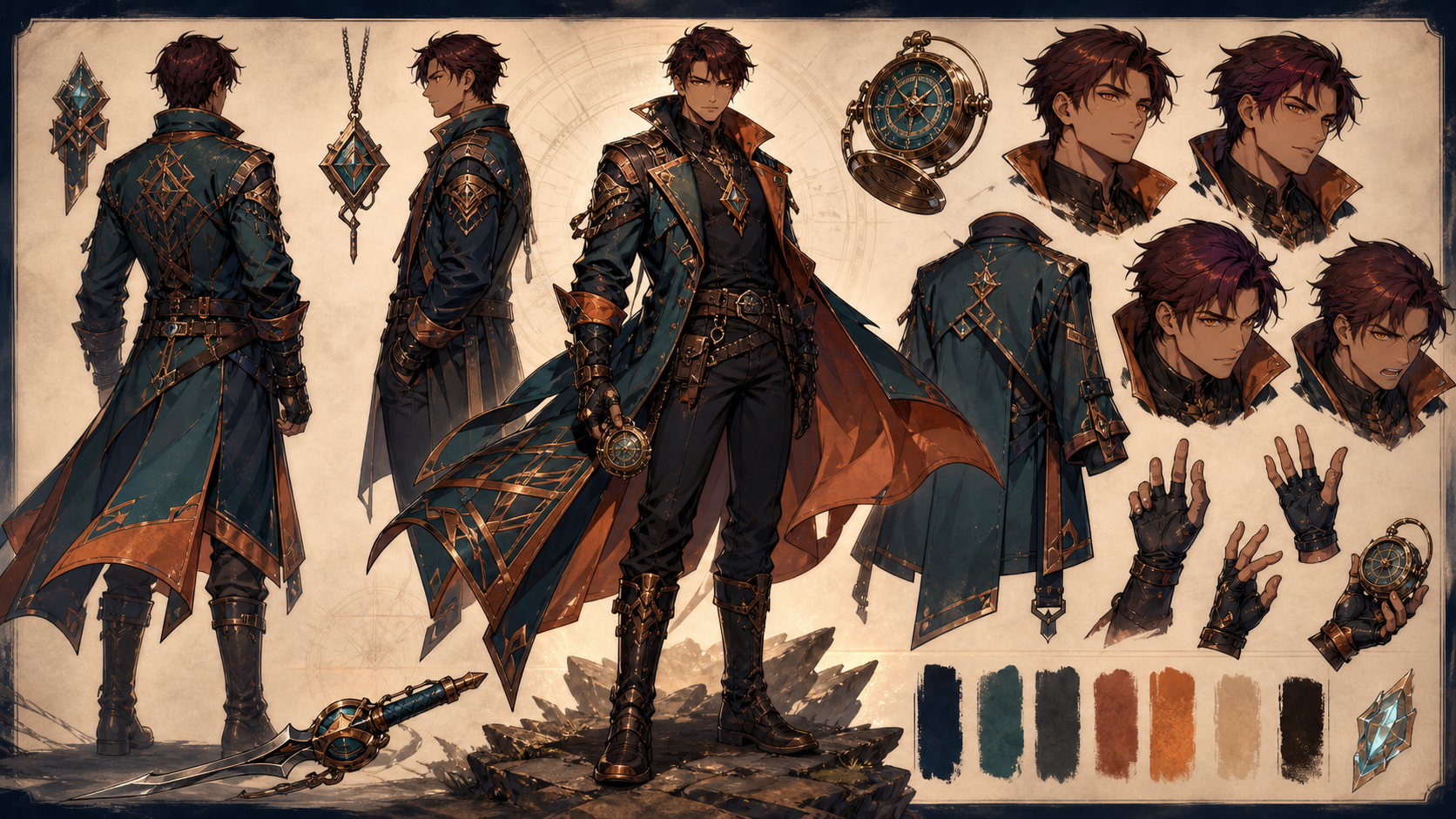
Turn a text idea into an original anime character, consistent reference sheet, scene library, and animation-ready design with DeepFake.
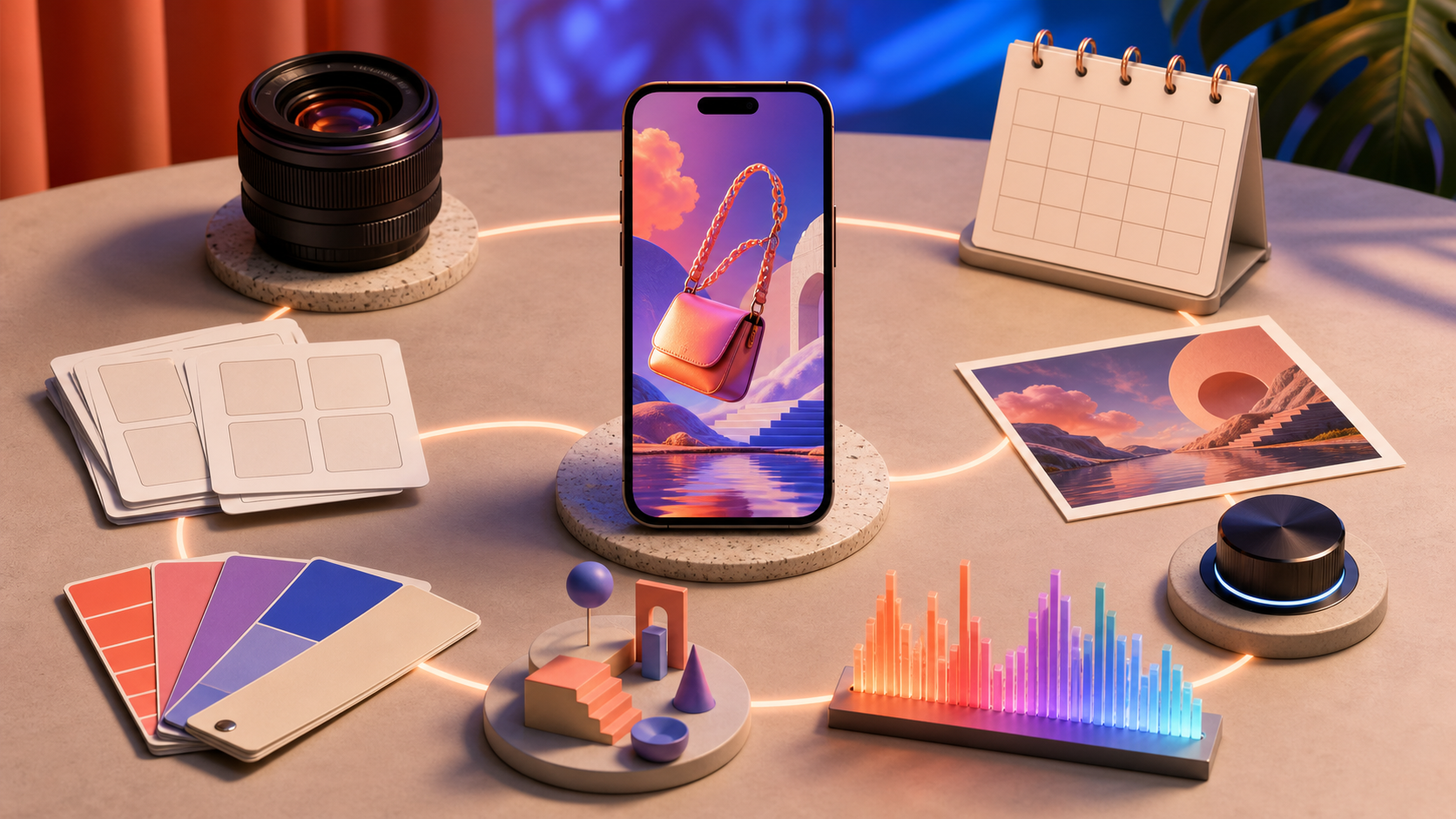
Build a practical stack for Reels, carousels, Stories, product visuals, animation, music, layout, and repeatable publishing—without letting the tools dictate your content.
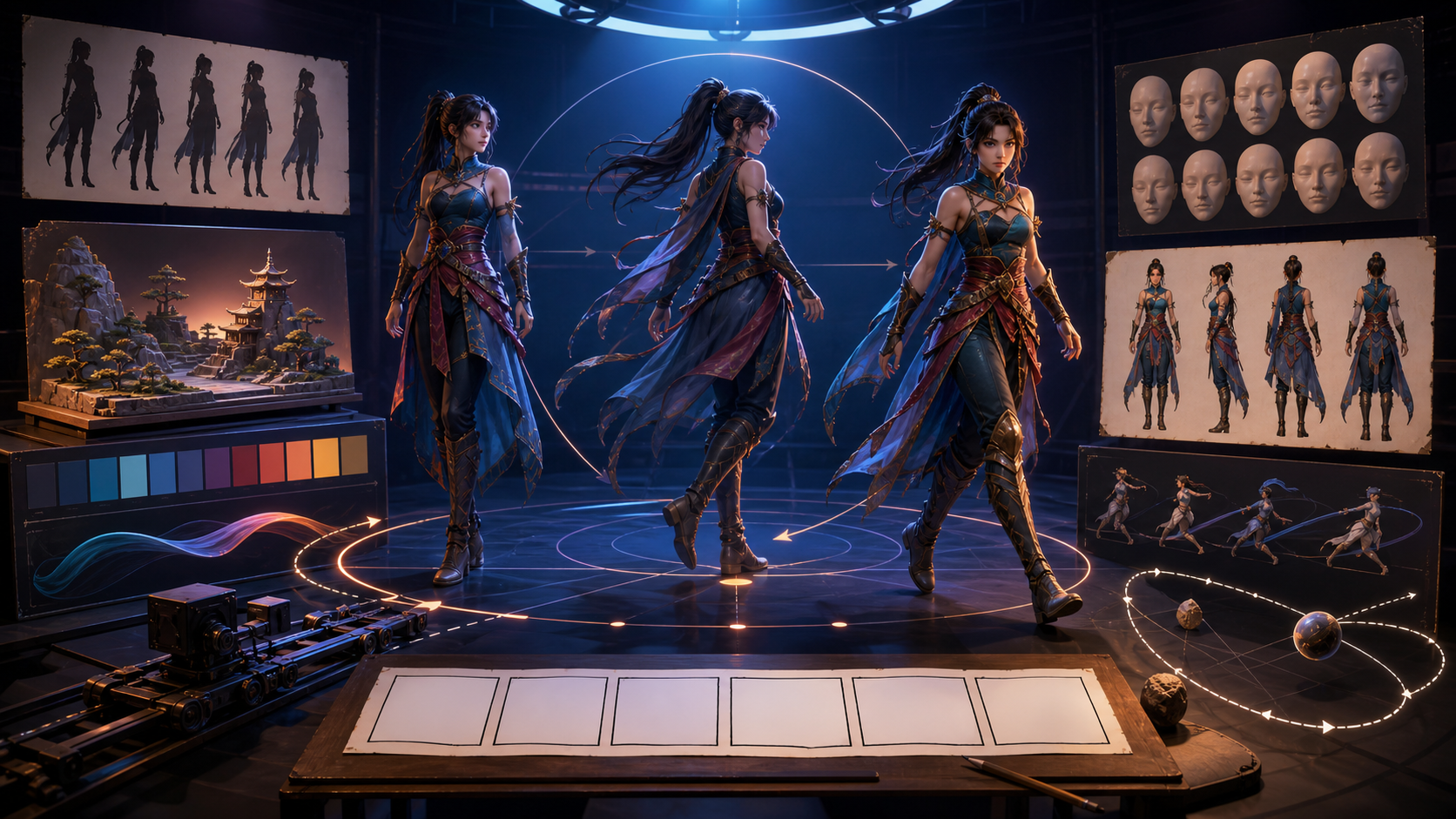
A practical system for directing subject action, camera movement, timing, secondary motion, continuity, and revisions in text-to-video and image-to-video prompts.
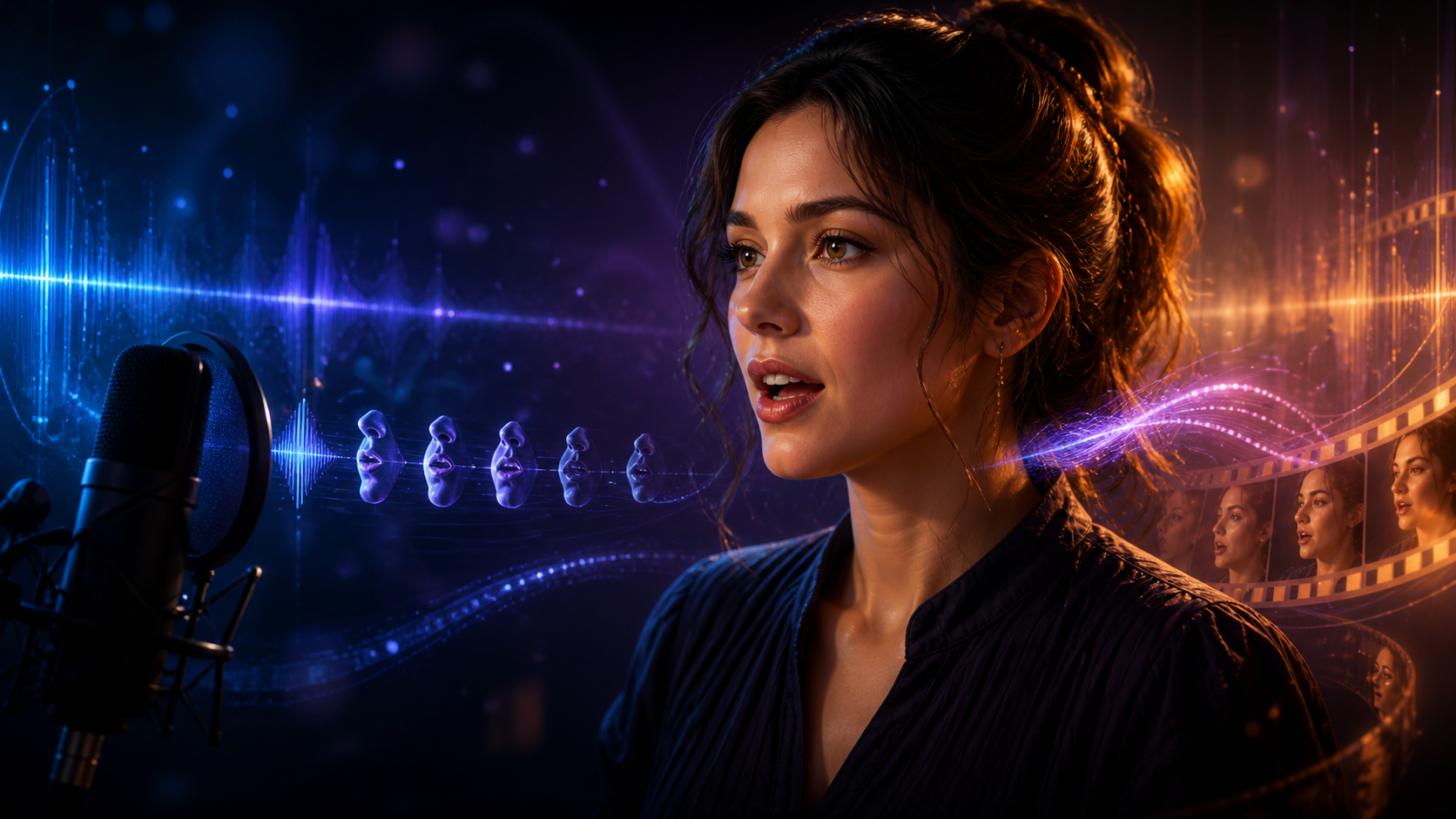
A production-ready guide to planning dialogue, preparing audio, generating readable shots, syncing performance, designing sound, and reviewing AI video.
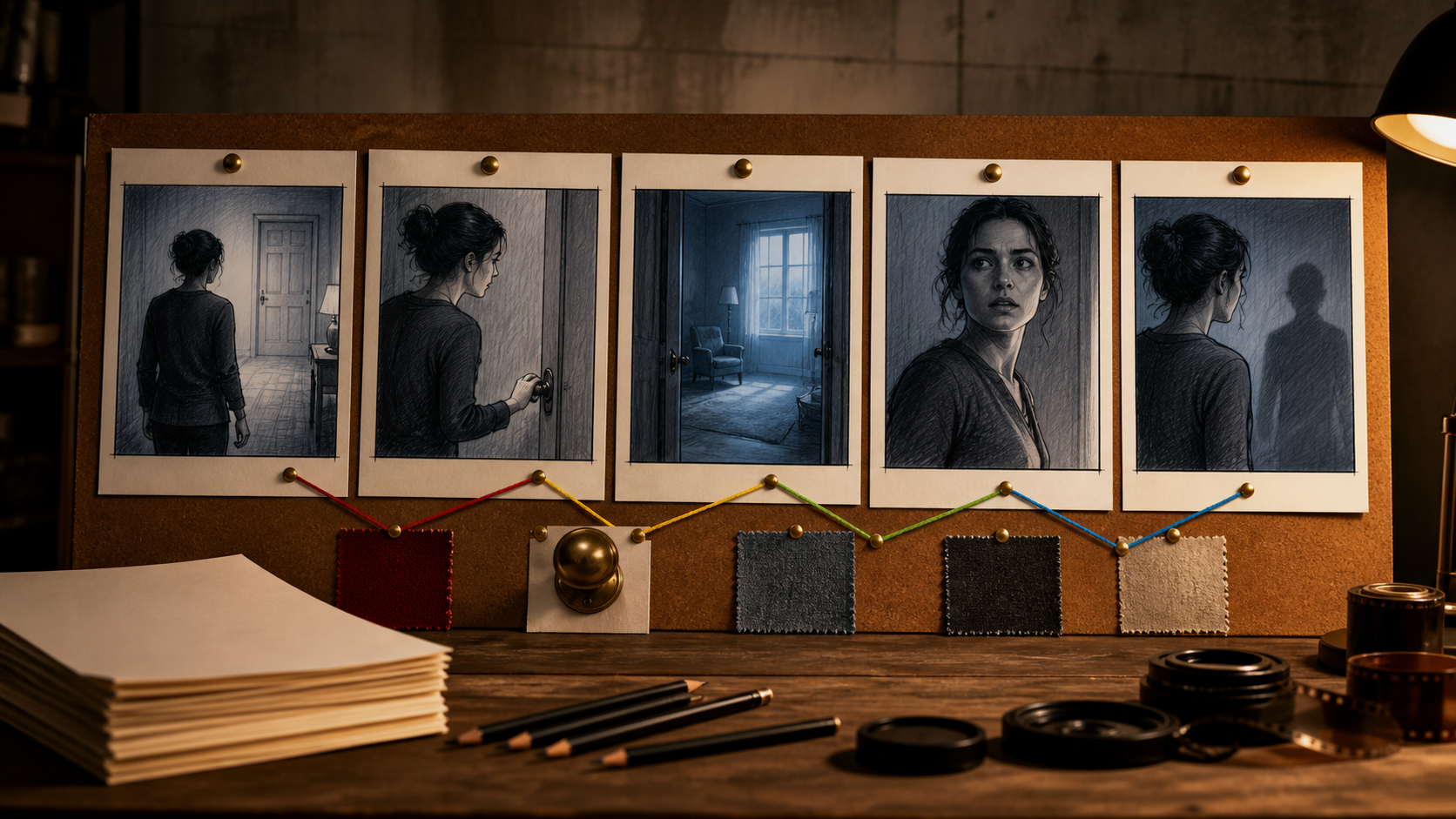
Translate a script into visual beats, purposeful shots, continuity notes, and a production-ready storyboard before generating video.
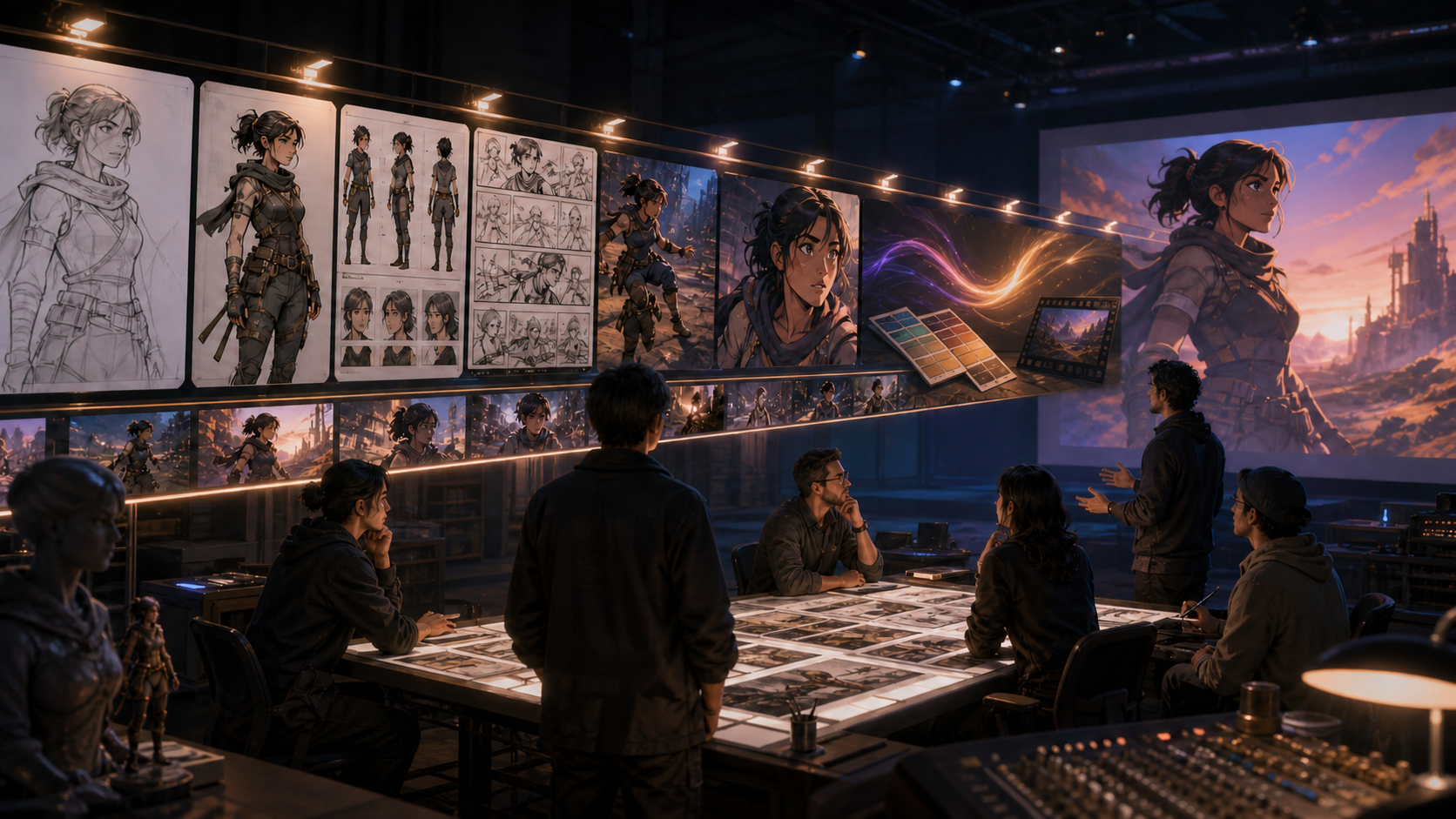
A production-focused breakdown of AI animation tools for short-form speed, cinematic shots, character continuity, and complete deliverables.
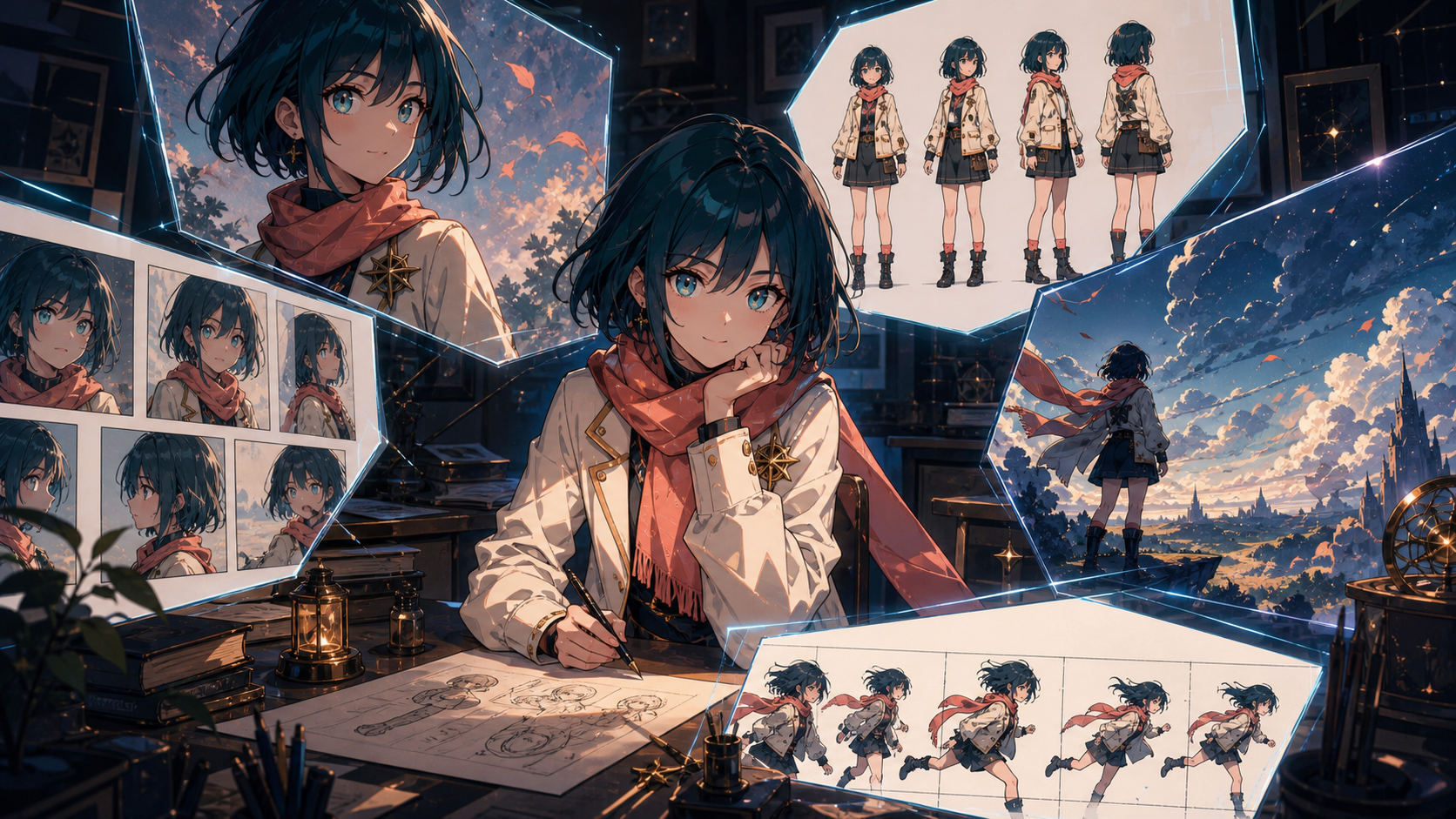
A practical comparison of DeepFake, PixAI, SeaArt, Komiko, and ImagineArt for anime images, original characters, comics, consistency, and video.
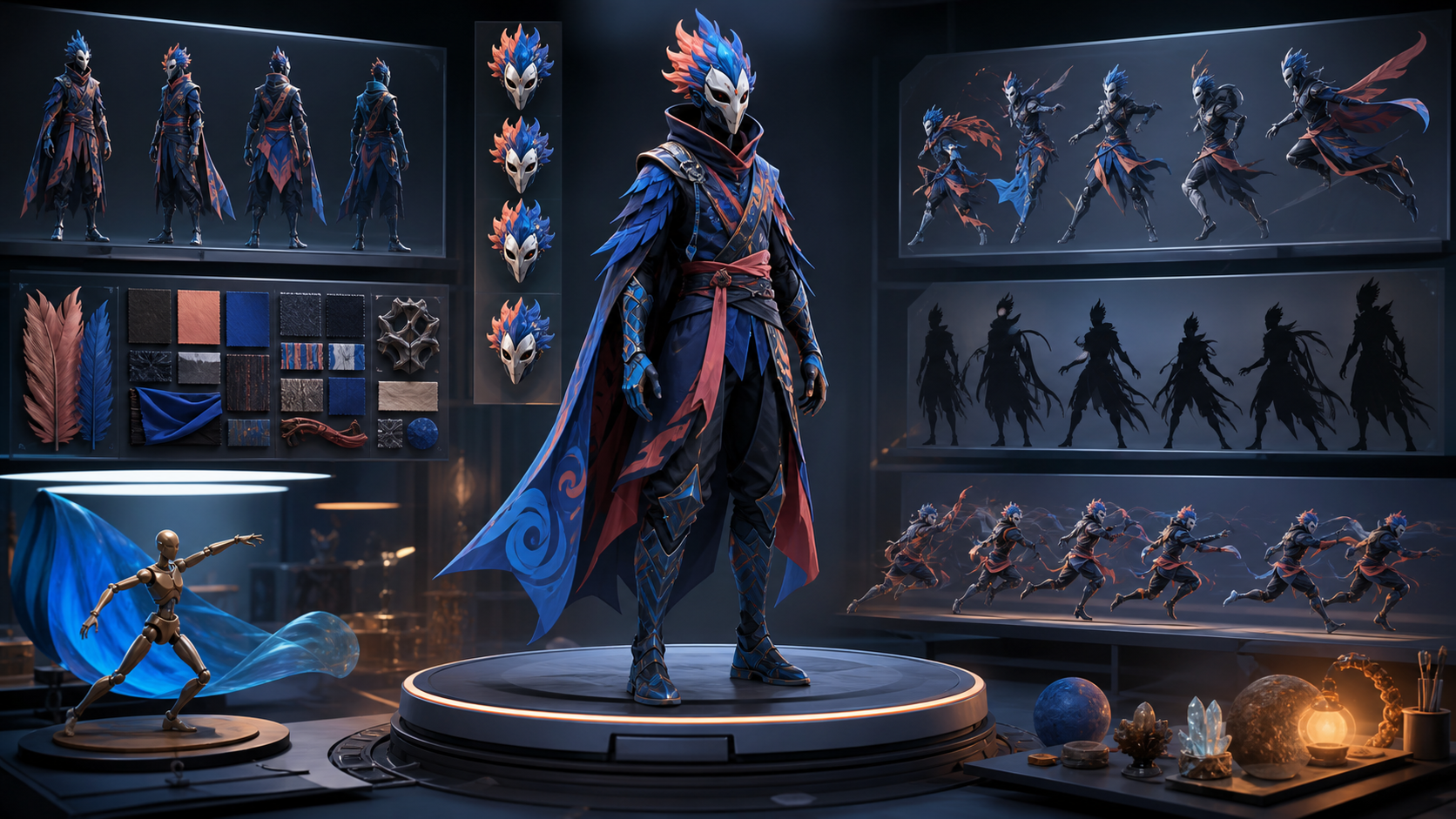
A practical comparison of DeepFake, PixAI, OpenArt, SeaArt, and Komiko for designing original characters that stay usable across scenes, poses, and video.
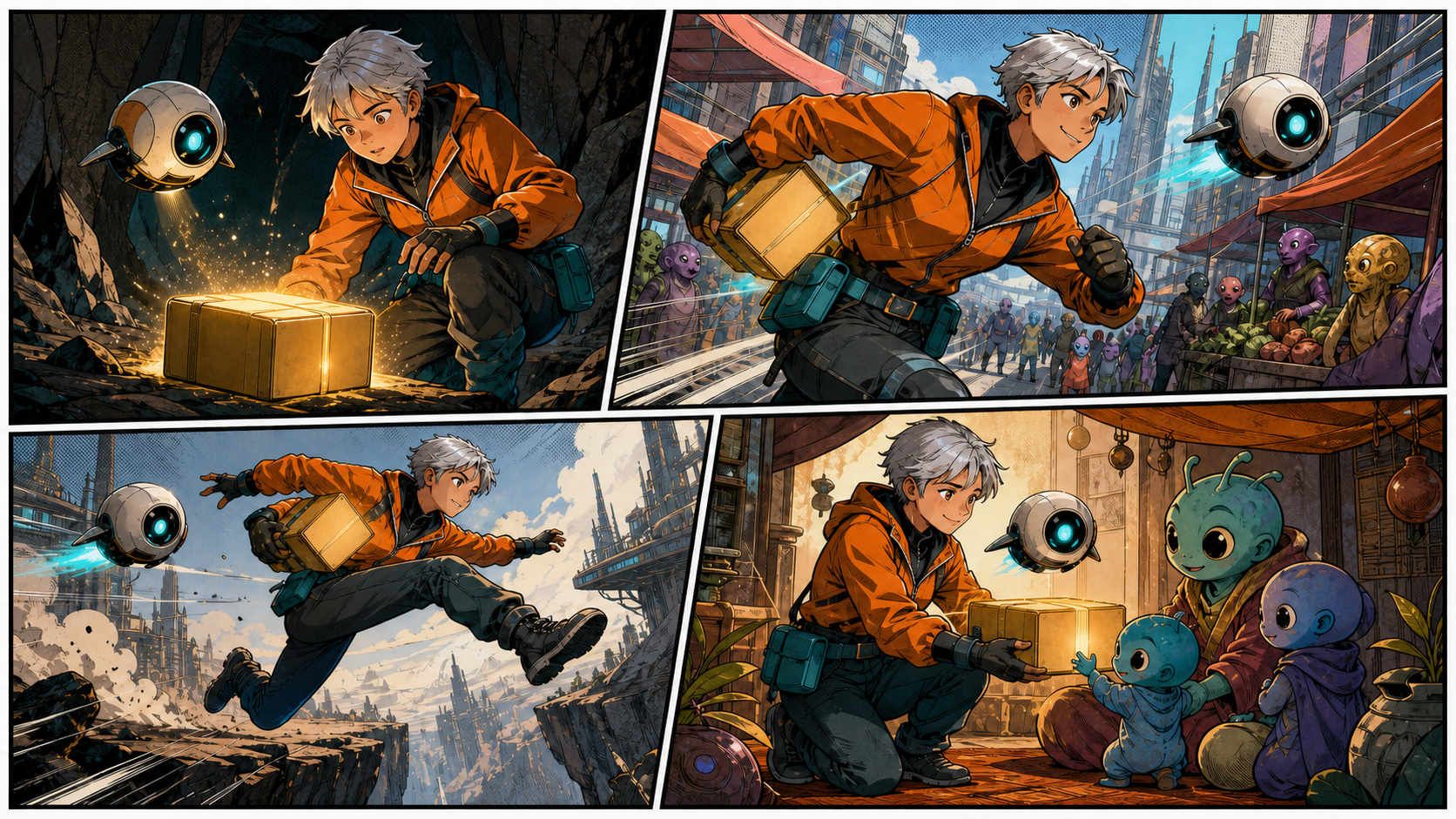
Compare the strongest comic-making workflows for consistent characters, editable panels, manga, webtoons, print pages, and motion-ready storytelling.
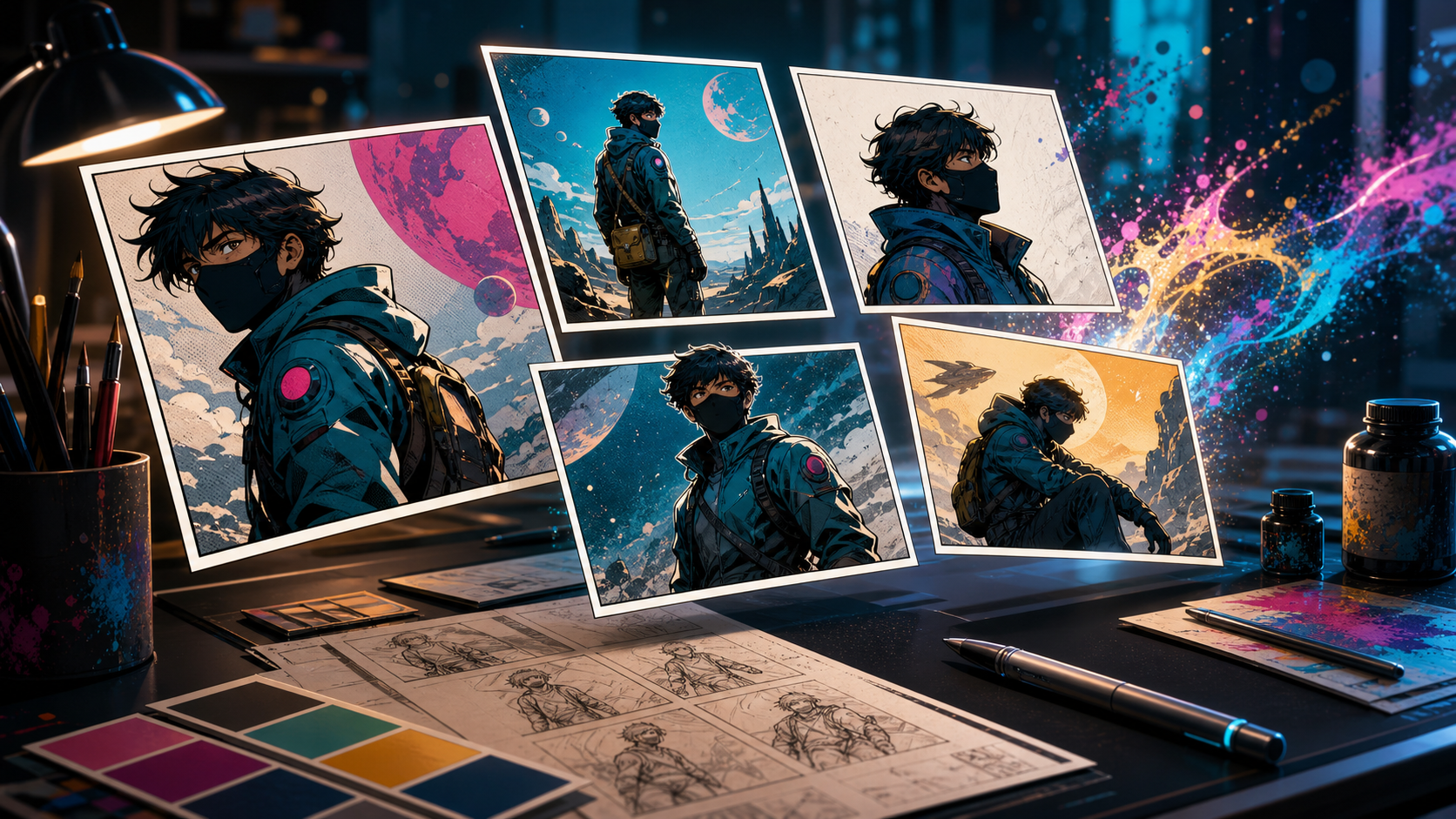
A practical comparison of AI comic makers for character consistency, panel planning, visual style, editing, and animation-ready storytelling.
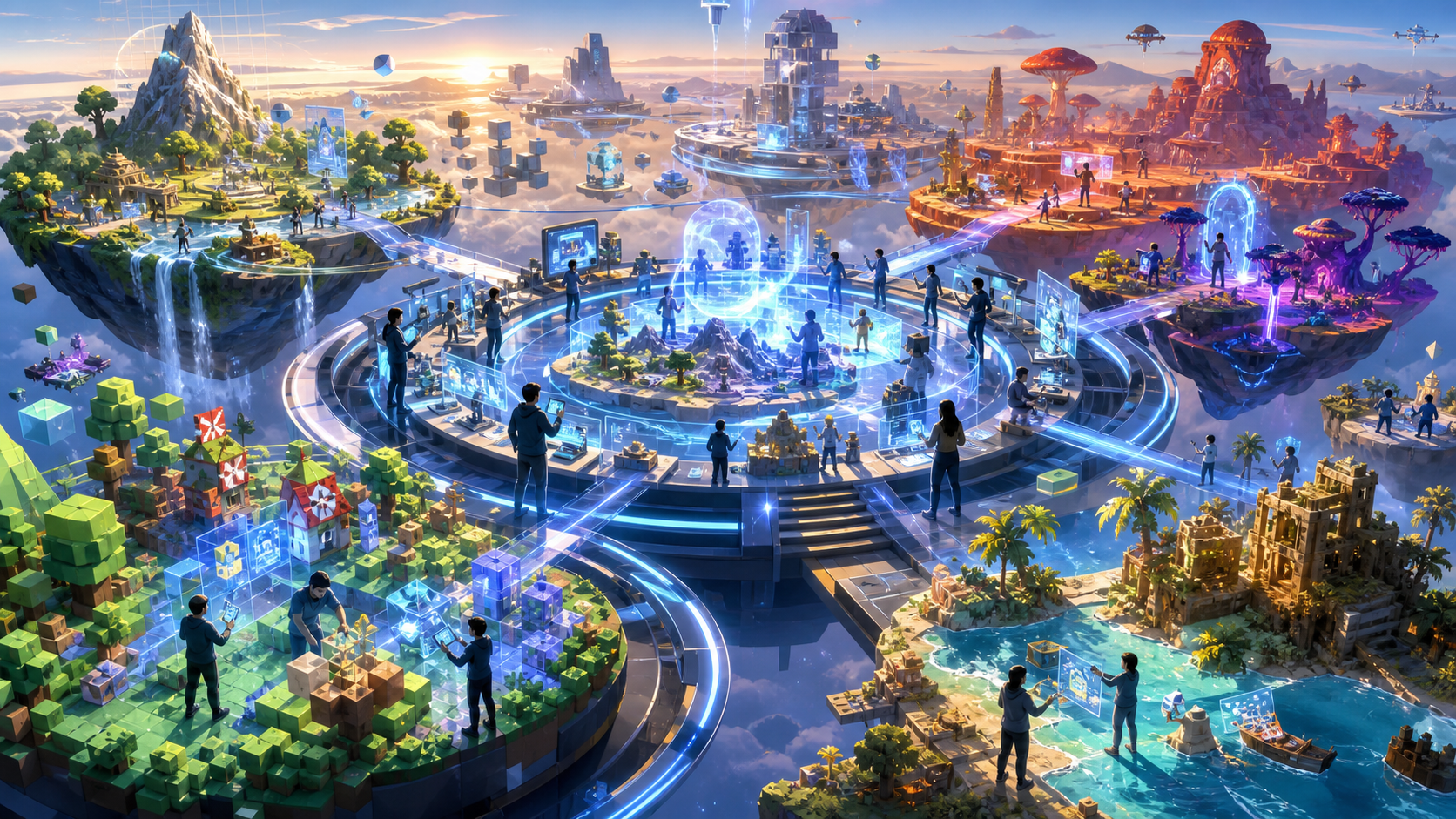
Compare AI playable-world platforms, creator ecosystems, roleplay experiences, and world-generation research before choosing where to play or build.
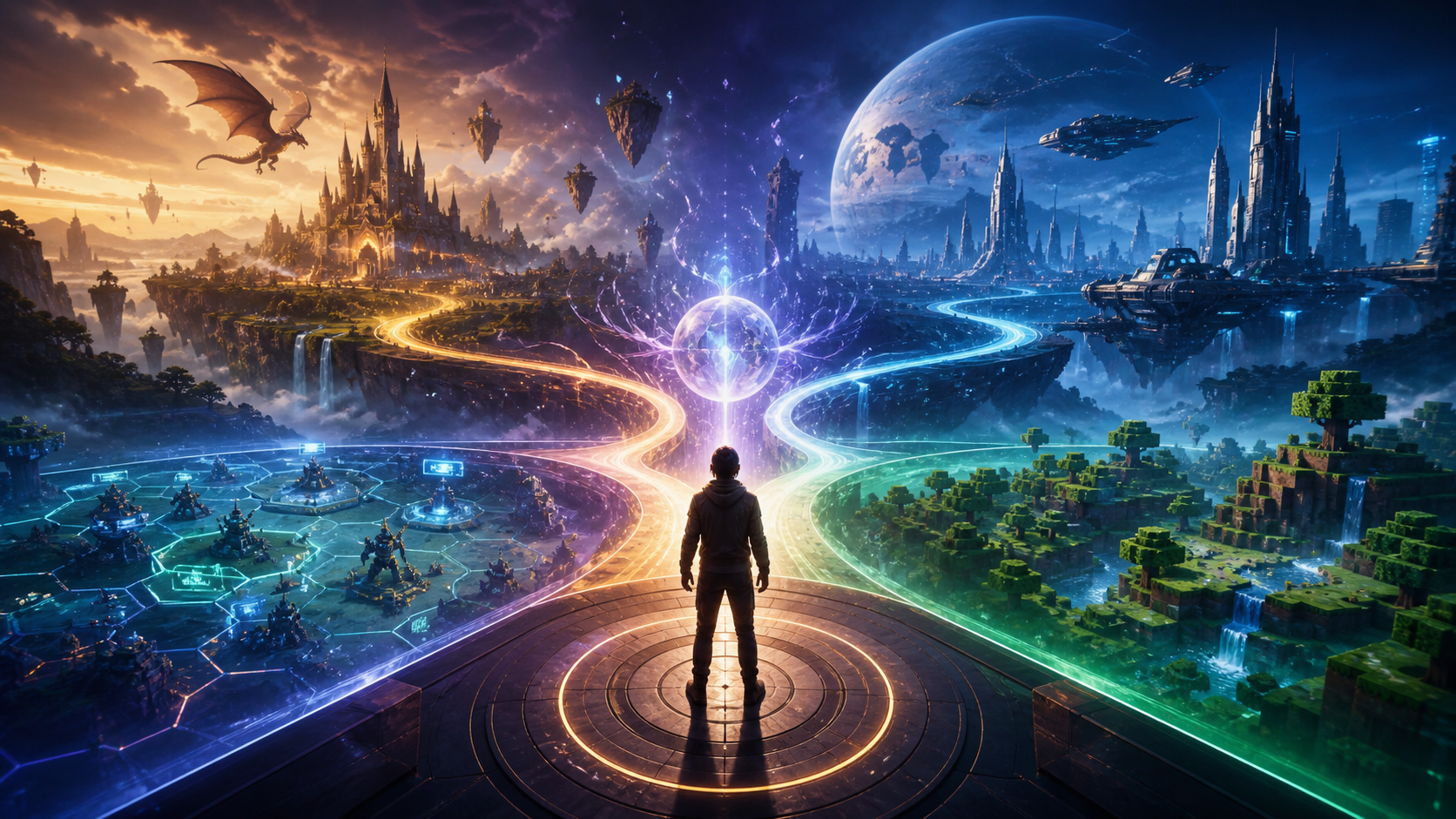
Explore the AI roleplay, story, sandbox, strategy, and adventure experiences changing how players shape interactive worlds.
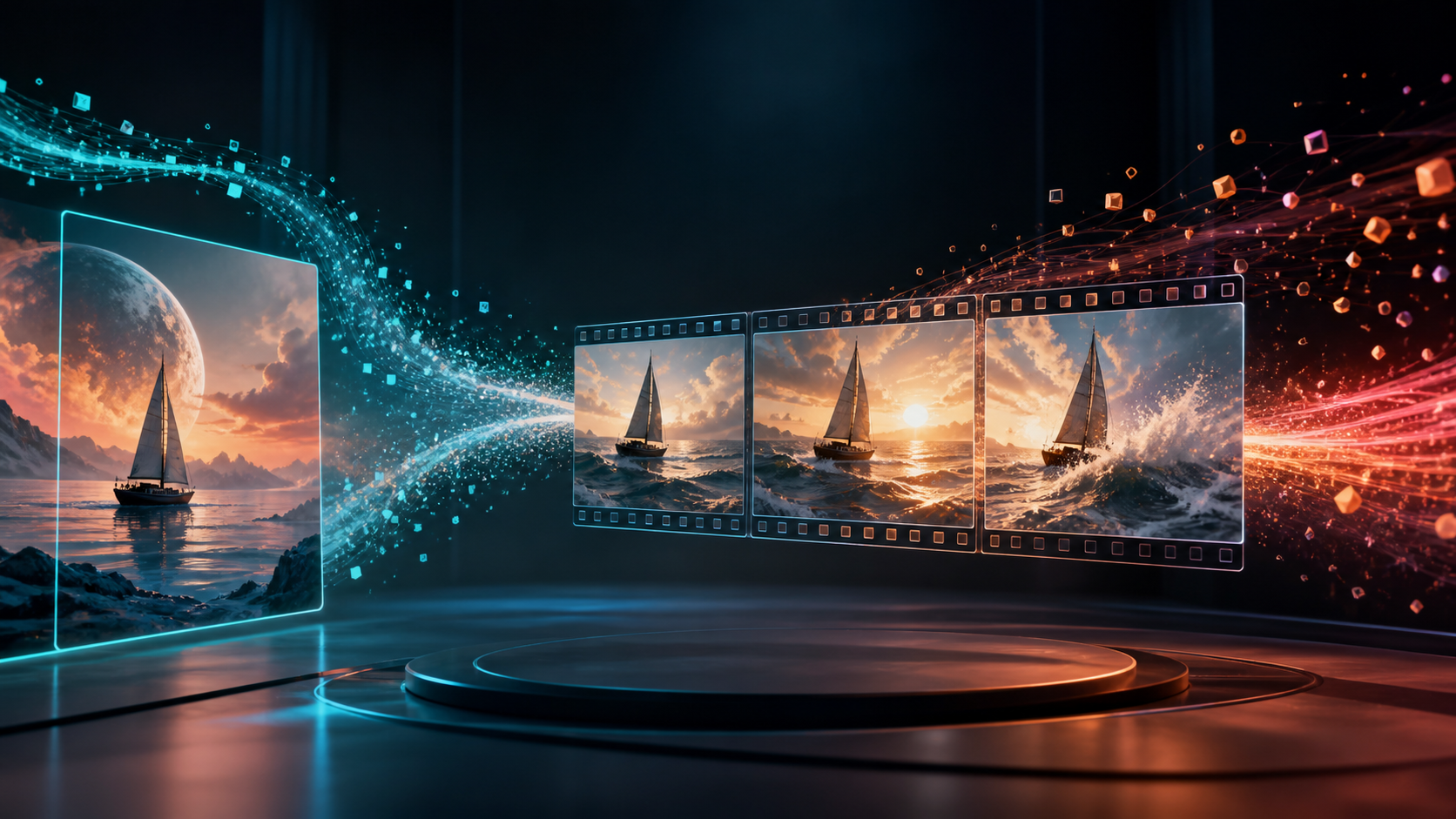
A production-focused comparison of AI video tools for text-to-video, image animation, character continuity, camera control, native audio, and fast social clips.
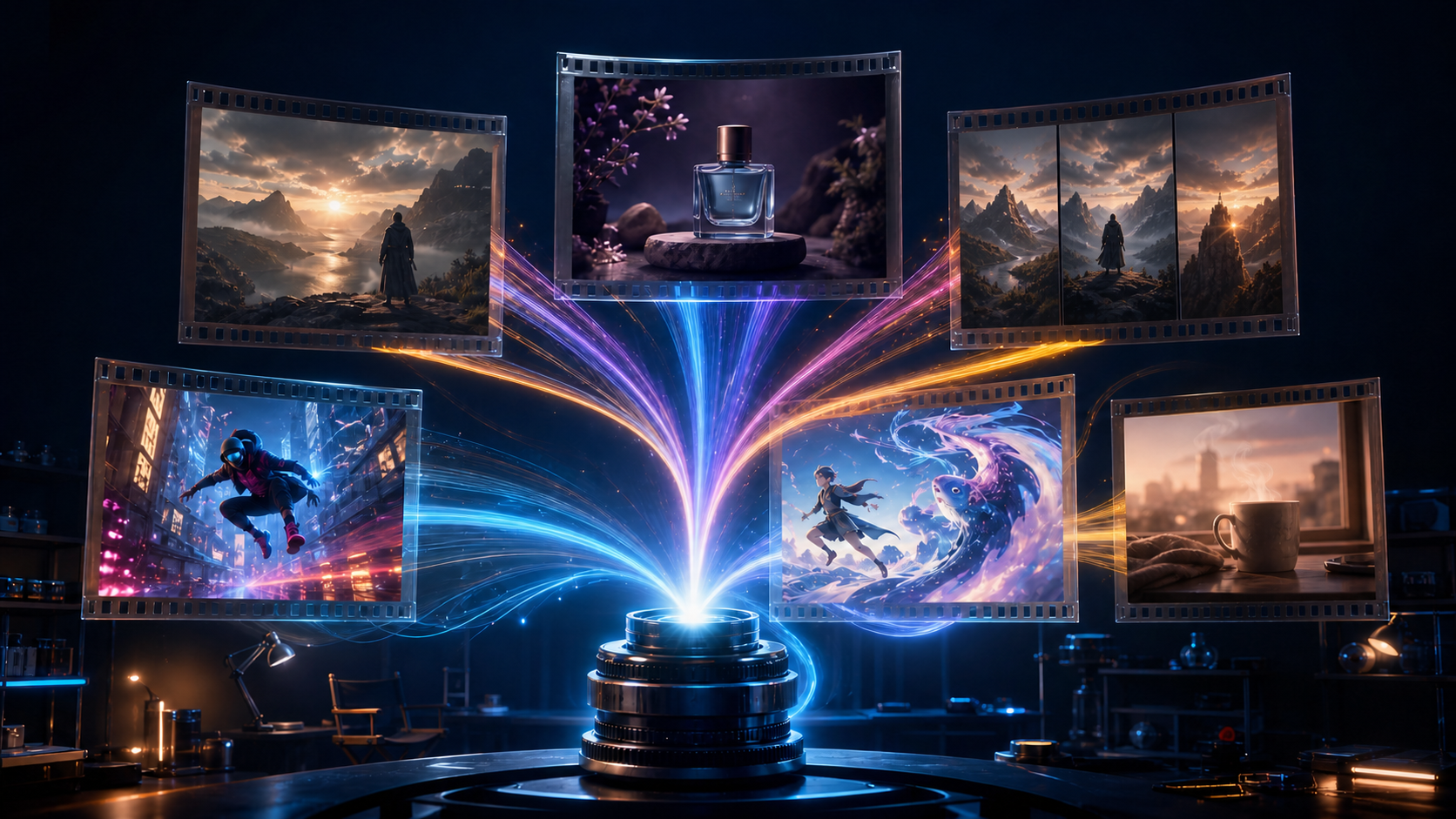
Compare six prominent AI video tools by cinematic quality, prompt control, motion, speed, editing workflow, and ease of use.
Seven useful no-cost and freemium AI image workflows compared for realism, typography, editing, design, privacy, and local control.

Copy, customize, and improve fifteen production-minded prompts for portraits, products, posters, diagrams, comics, characters, interiors, and precise image edits.
A safety-first 2026 guide to finding well-moderated 18+ art communities, checking AI rules, protecting privacy, and posting responsibly.
Compare planning-first, generation-first, and one-click script-to-video workflows for stories, ads, explainers, and character videos.
Learn how to generate, edit, refine, and prepare production-ready visual assets with OpenAI's latest image model in one creative workflow.
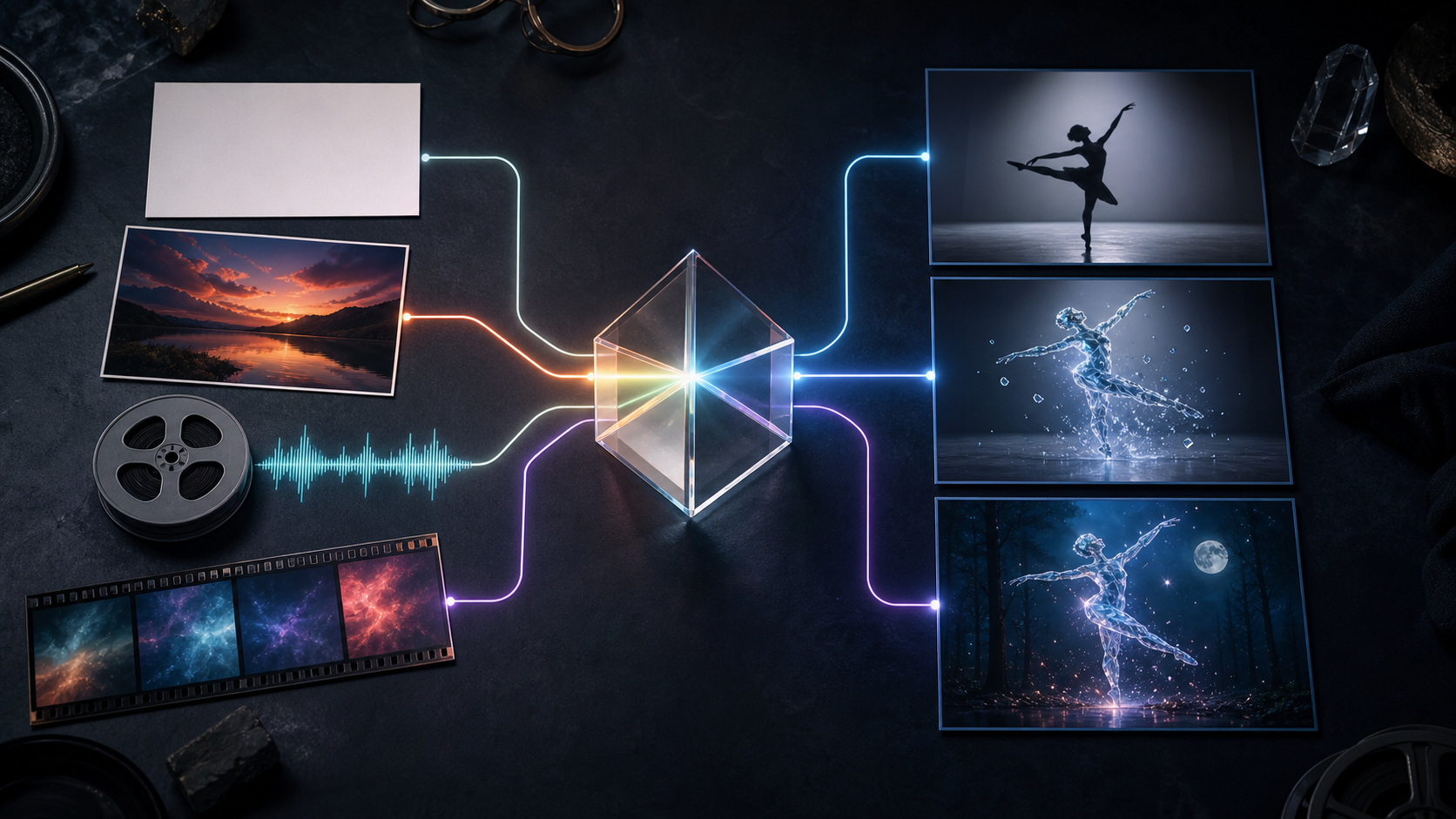
The confirmed release status, multimodal inputs, video workflows, conversational editing, access paths, limitations, prompts, and production checks.
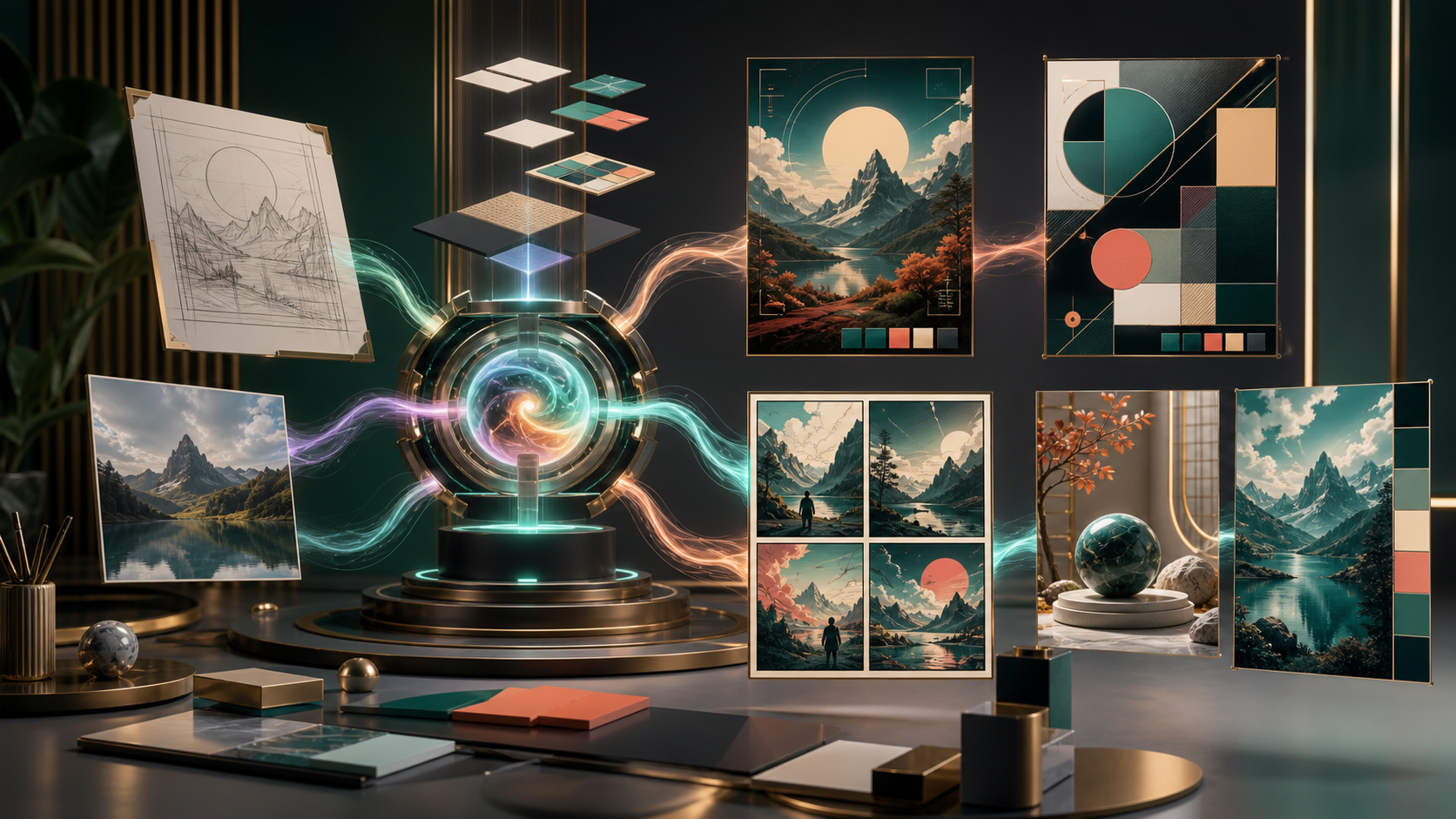
A current guide to availability, capabilities, thinking mode, image editing, API access, prompting, limitations, and production use cases.
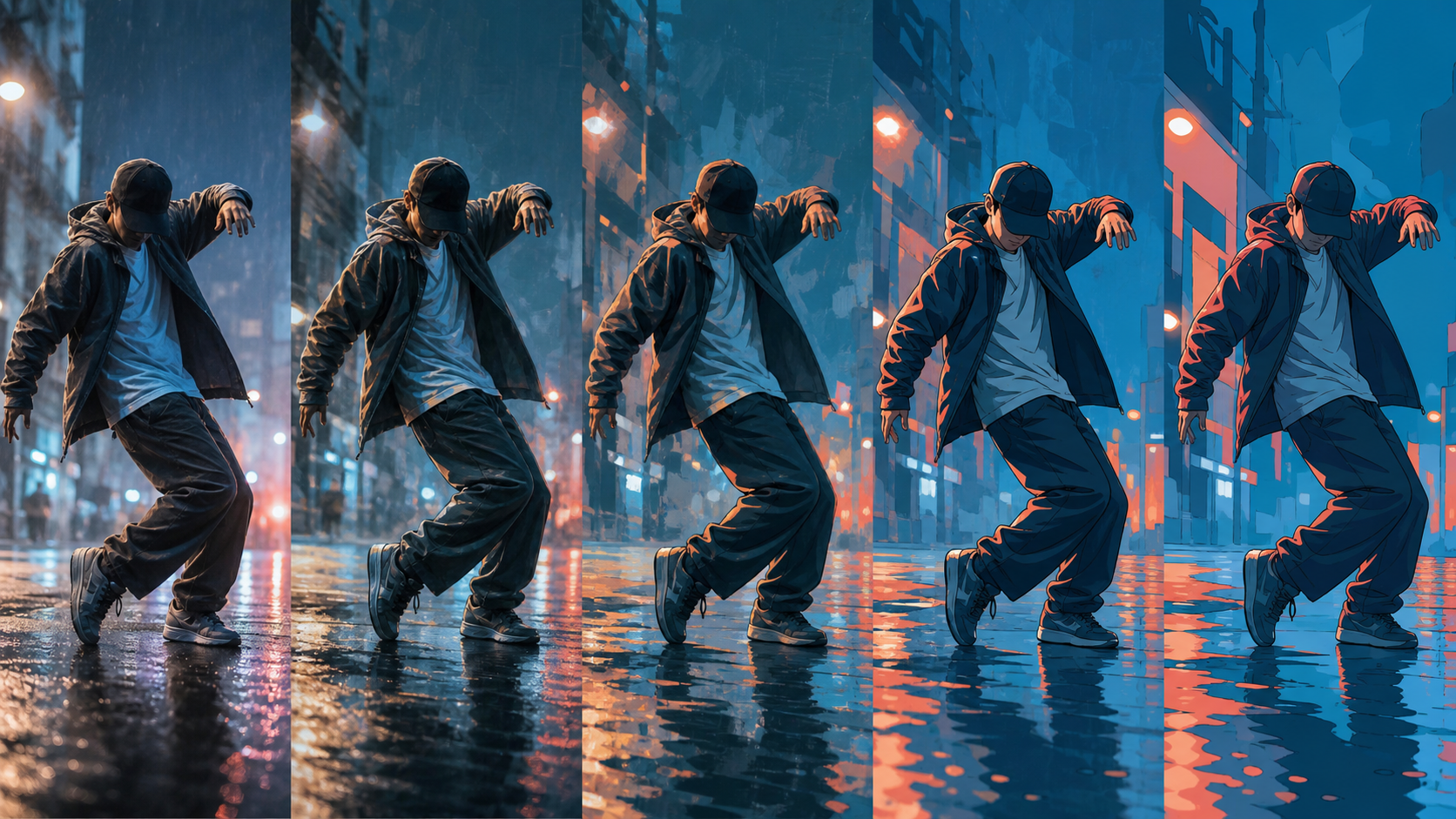
Learn how to prepare, stylize, review, and finish live-action footage as consistent cartoon animation while testing free or trial tools safely.
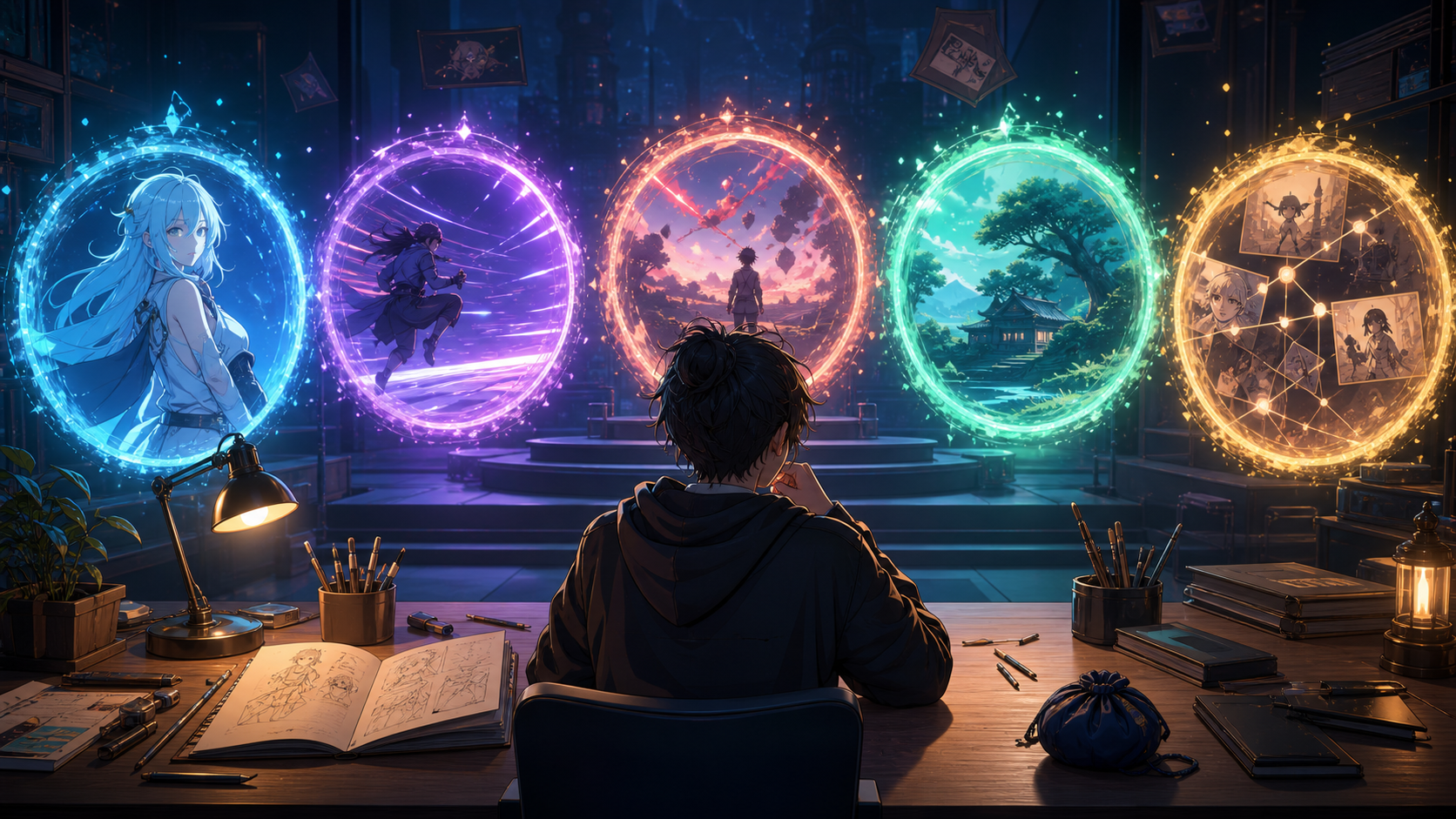
Compare five practical ways to test anime images, short clips, keyframe interpolation, cinematic scenes, and multi-stage workflows on a limited budget.
A grounded guide to Gemini Omni Flash, multimodal video generation, conversational editing, reference inputs, availability, and real production workflows.

Compare OpenAI’s two 2026 reasoning models across quality, coding, tools, context, reasoning defaults, API pricing, and migration tradeoffs.

Understand planning, tool use, actions, approvals, guardrails, budgets, tracing, and the evidence needed to evaluate a future AI agent.

A source-first guide to the rumored codename, the absence of an official GPT-6 release, and the signals creators should actually watch.

As of August 2026, GPT-6 is not an official OpenAI model; here is how the rumors compare with the current GPT-5.6 family.

Separate plausible AI progress from rumor, then evaluate any future model by reliability, workflow fit, and measurable production outcomes.
There is no official GPT-6 today, but creators can already build a model-ready workflow for stronger briefs, steadier characters, clearer shots, and fewer revision loops.
GPT-6 is not an announced OpenAI product; these verified GPT-5.6 workflows deliver useful coding, research, creative, and operations results today.
A practical guide to AI memory for creative work, including project boundaries, privacy safeguards, and reliable alternatives you can use today.

There is no official GPT-6 release date as of August 5, 2026. Here is the current OpenAI model landscape and a practical, evidence-based upgrade plan.

GPT-6 is not available to benchmark, but you can document the GPT-5.4 baseline and prepare a rigorous model evaluation now.

Learn how to generate and edit images online with ChatGPT Images 2.0, understand free limits and API billing, write better prompts, and protect your files.

Compare instruction following, typography, editing, style control, references, speed, cost structure, and production fit—plus an important Midjourney version update.
Compare current documented capabilities, then run a fair test for motion, identity, camera, audio, references, editability, cost, and access.
Estimate an animation schedule from runtime, shot count, visual complexity, asset reuse, and revision depth—then shorten it without sacrificing the story.
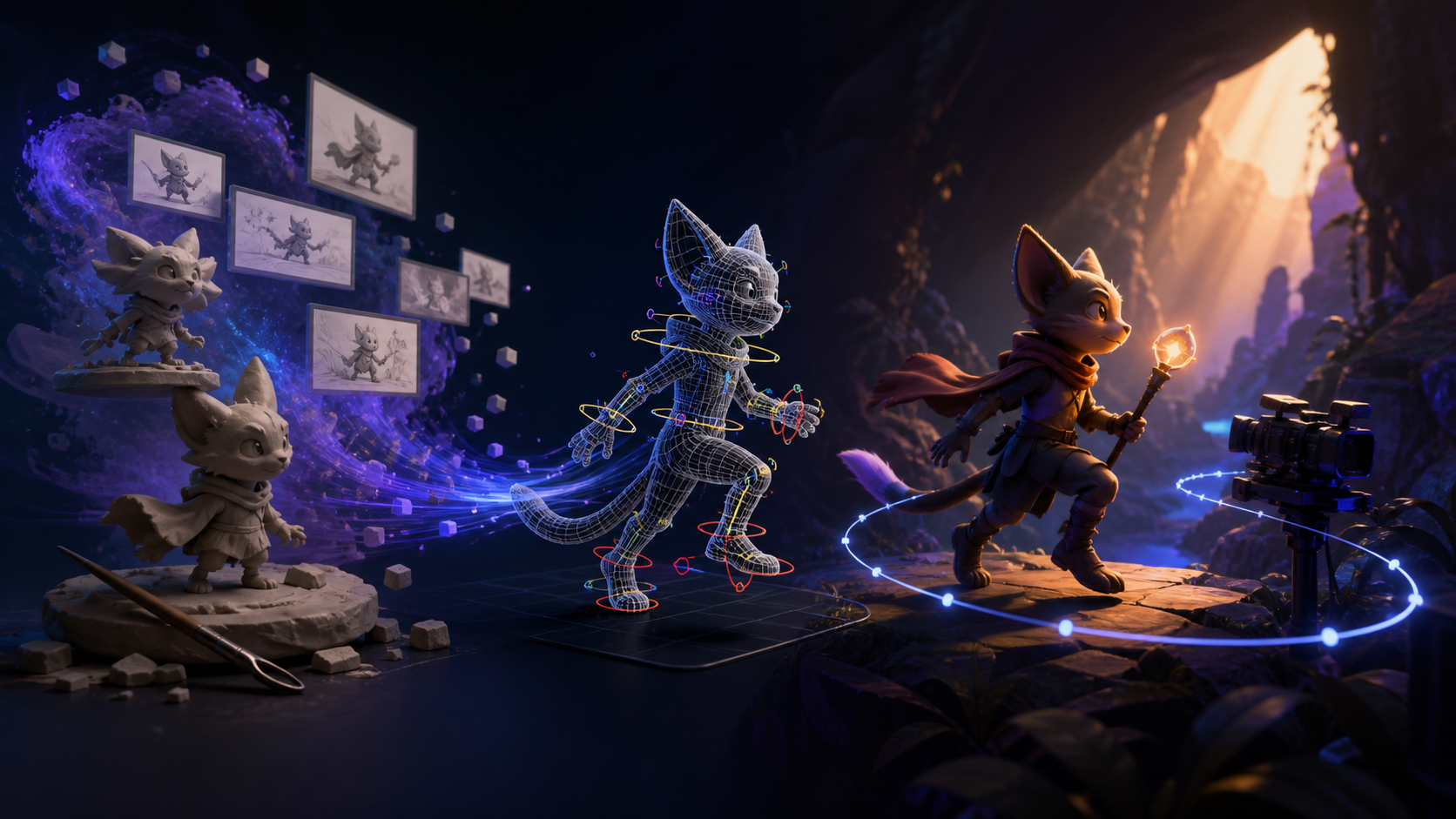
Learn where AI speeds up 3D concepting, previs, motion, and finishing—and where rigs, scene files, and human control still matter.
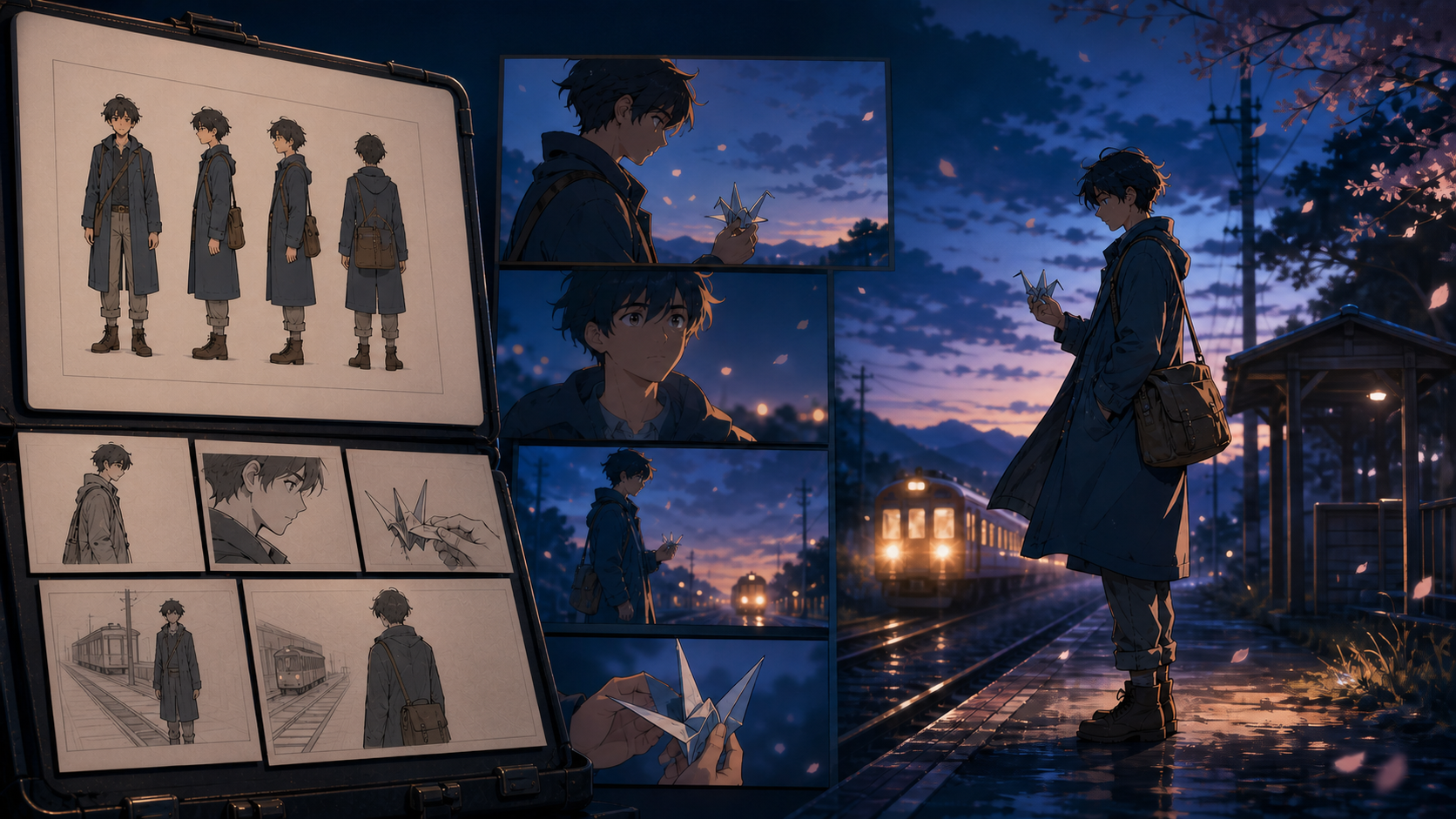
Build a short anime scene from one story beat, a stable original character, deliberate shots, selected keyframes, and restrained motion.
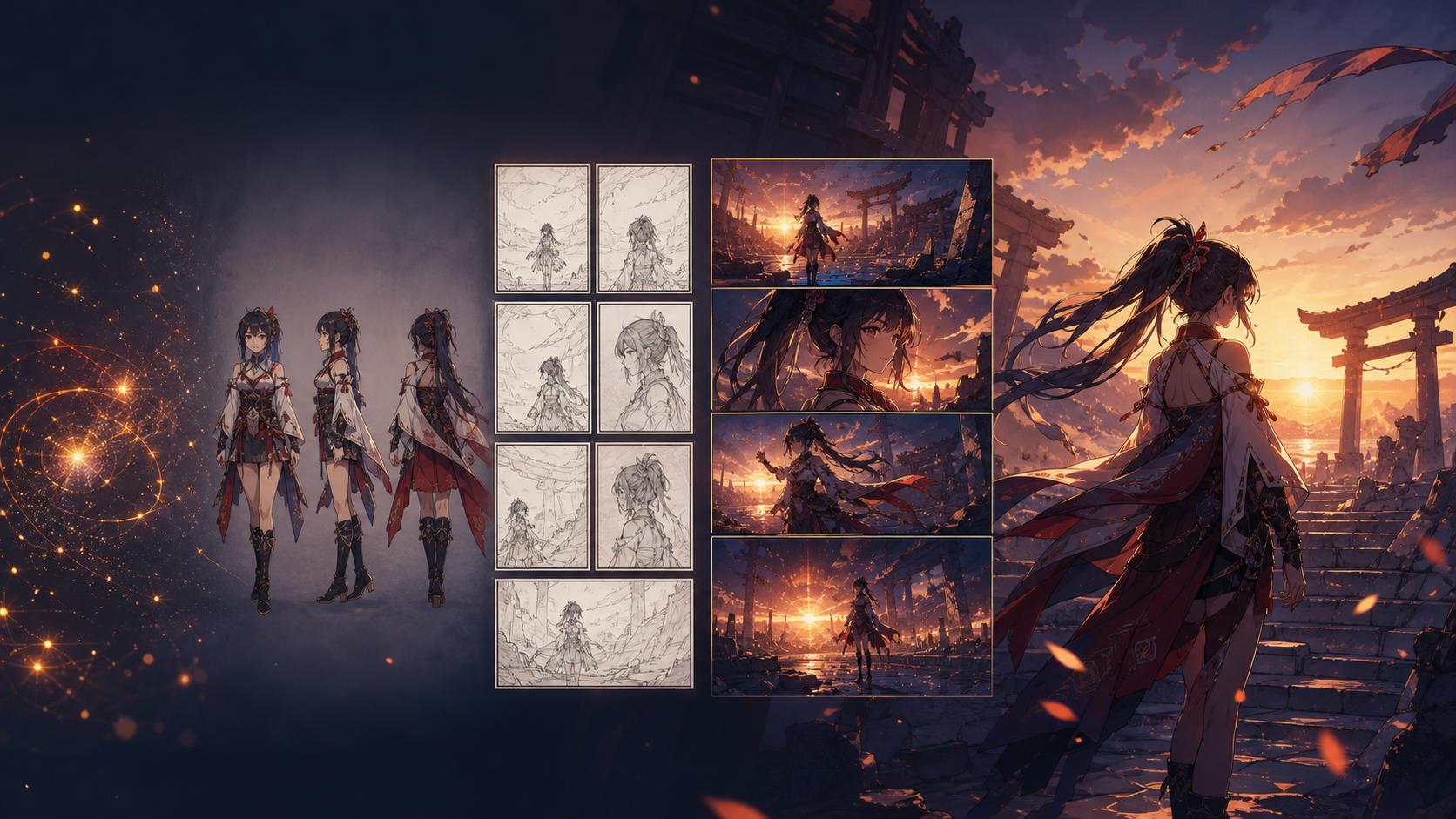
Plan a short scene, keep characters consistent, animate selected keyframes, and finish the result with purposeful sound and editing.
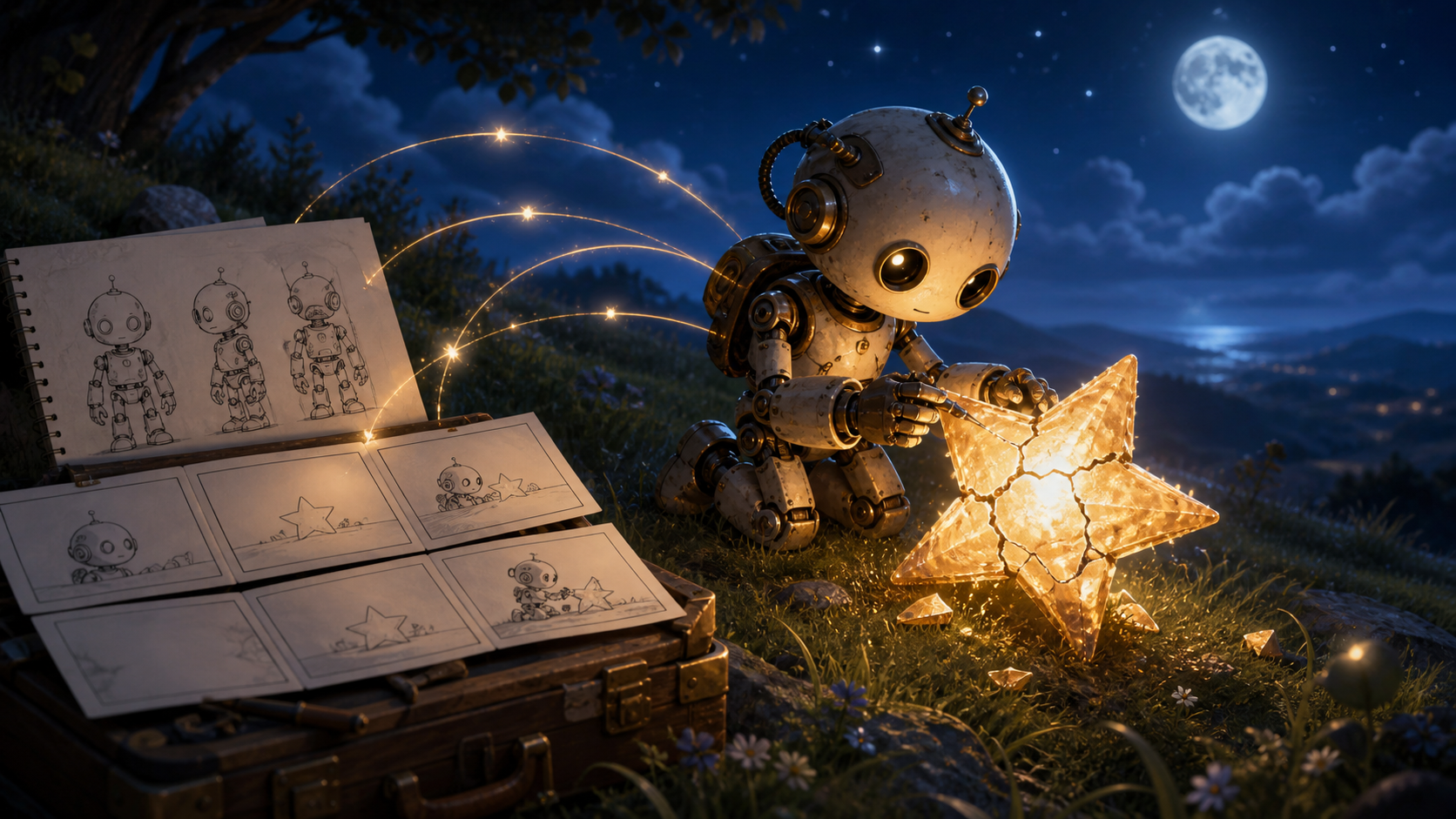
A practical creator workflow for turning one simple idea into coherent scenes, consistent characters, expressive sound, and a finished short film.
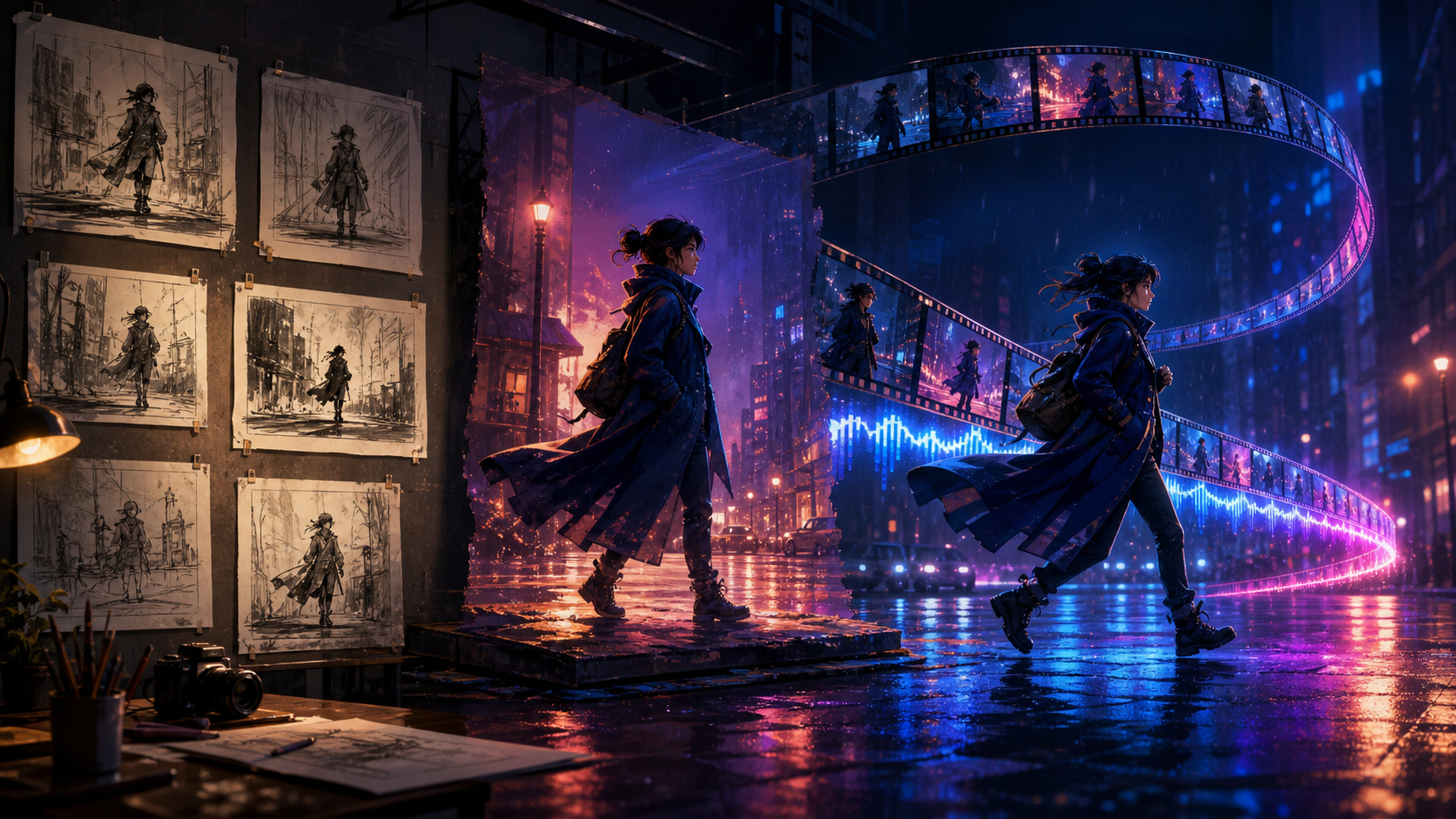
Choose the right generation method, design stable keyframes, prompt controlled motion, and edit short clips into a polished animated video.
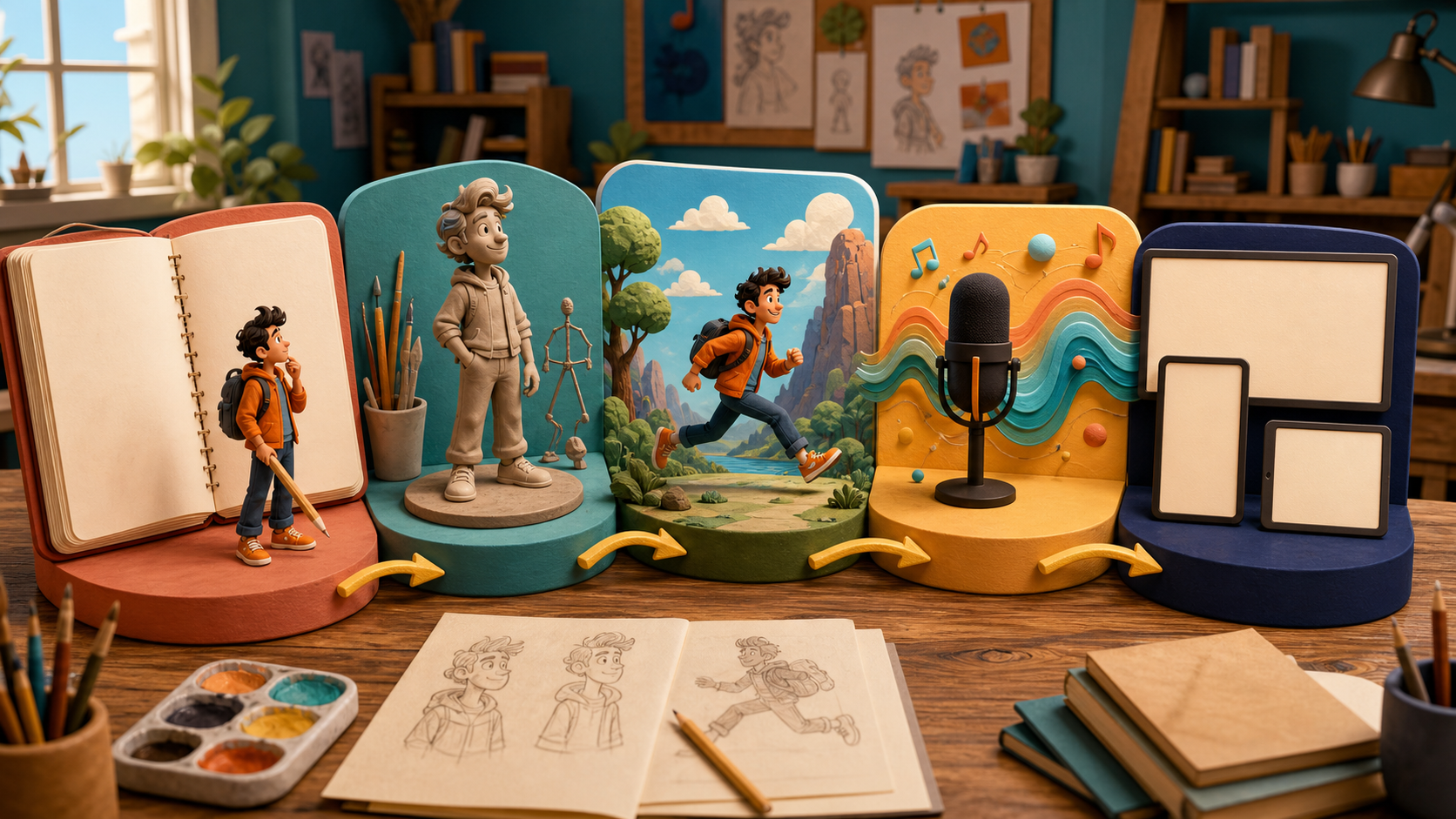
Follow a five-step workflow to write, design, animate, add sound, and export a short original cartoon while using free credits carefully.
Build a model-agnostic upgrade lane with versioned prompts, clean data, representative evaluations, cost controls, and a safe rollback plan.
Break a script into visual beats, design purposeful shots, lock continuity, animate approved keyframes, and finish with sound and editing.
Build a repeatable cartoon pipeline from story idea and character sheet to storyboard, animation, voices, editing, and final export.
A practical, prompt-first workflow for turning portraits, illustrations, product shots, and landscapes into controlled short videos.
Plan scripts, scenes, shots, prompts, continuity, and edits with a language model—then render each clip with specialized video tools.
Use ChatGPT Images 2.0 on the Free tier, write a strong first prompt, edit the result, manage limited usage, and avoid common access and API misunderstandings.
Plan stronger text-to-video, image-to-video, multi-shot, reference-driven, and native-audio generations with a production-ready workflow.
Understand Kling AI's credit-based generation costs, iteration overhead, and workflow tradeoffs before planning a multi-shot video.
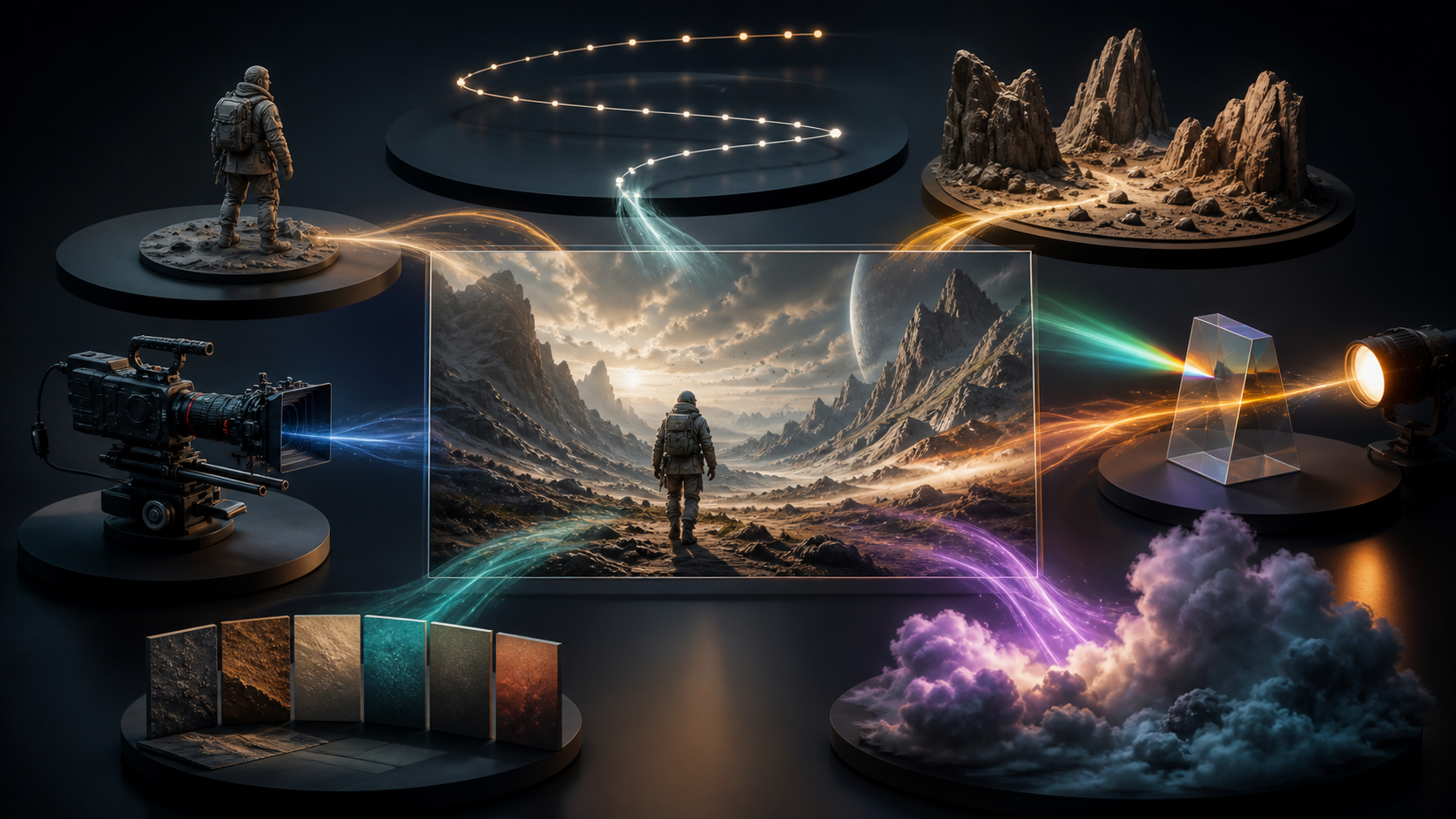
Use a seven-part prompt structure and 25 original examples to direct subject, action, environment, camera, light, visual treatment, and mood.
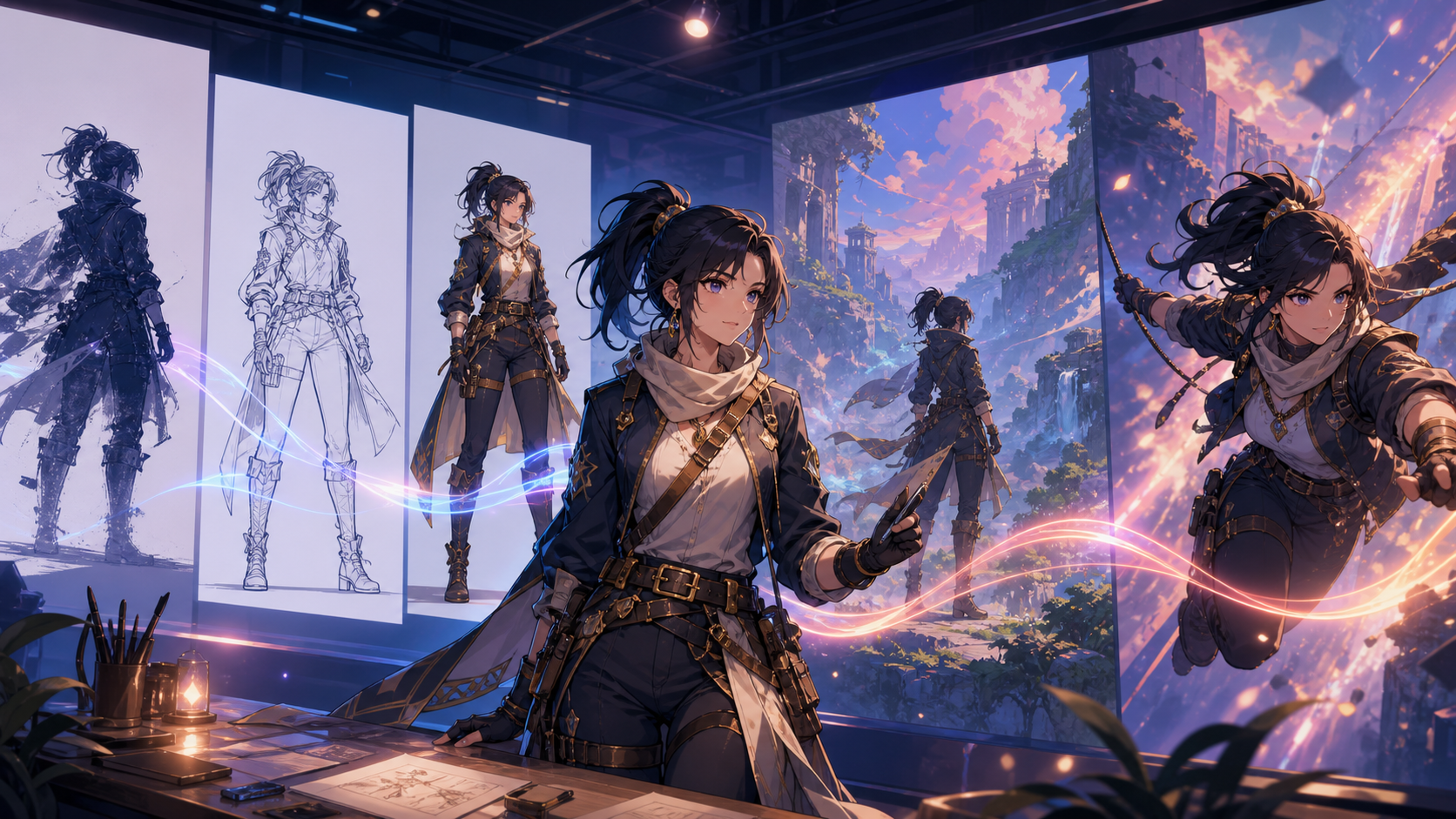
Learn how to compare anime AI tools by character consistency, image and video workflow, control, usability, and real production fit.
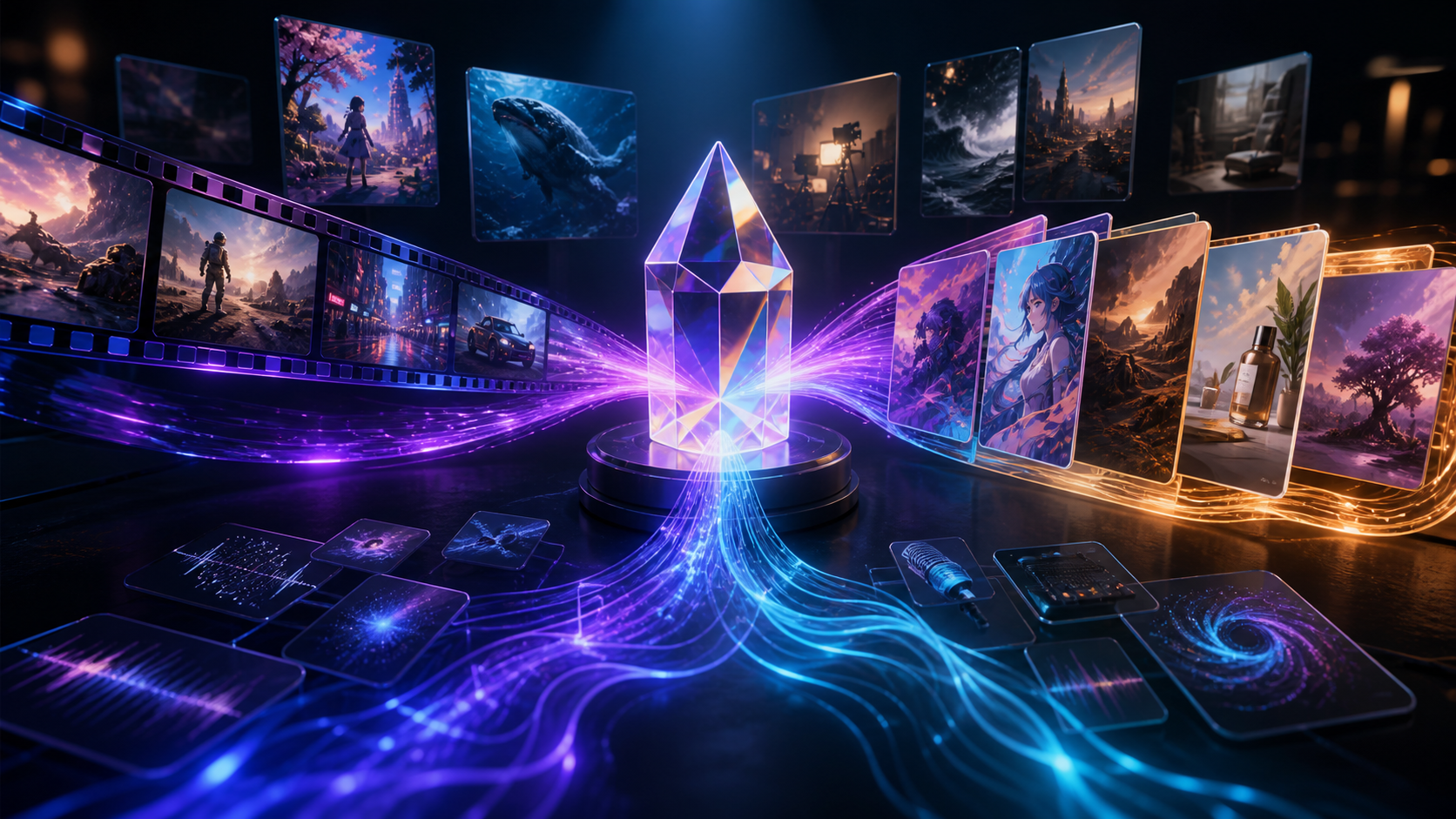
A practical tour of DeepFake's video, image, and audio workflows, model library, credit system, and real production use cases.
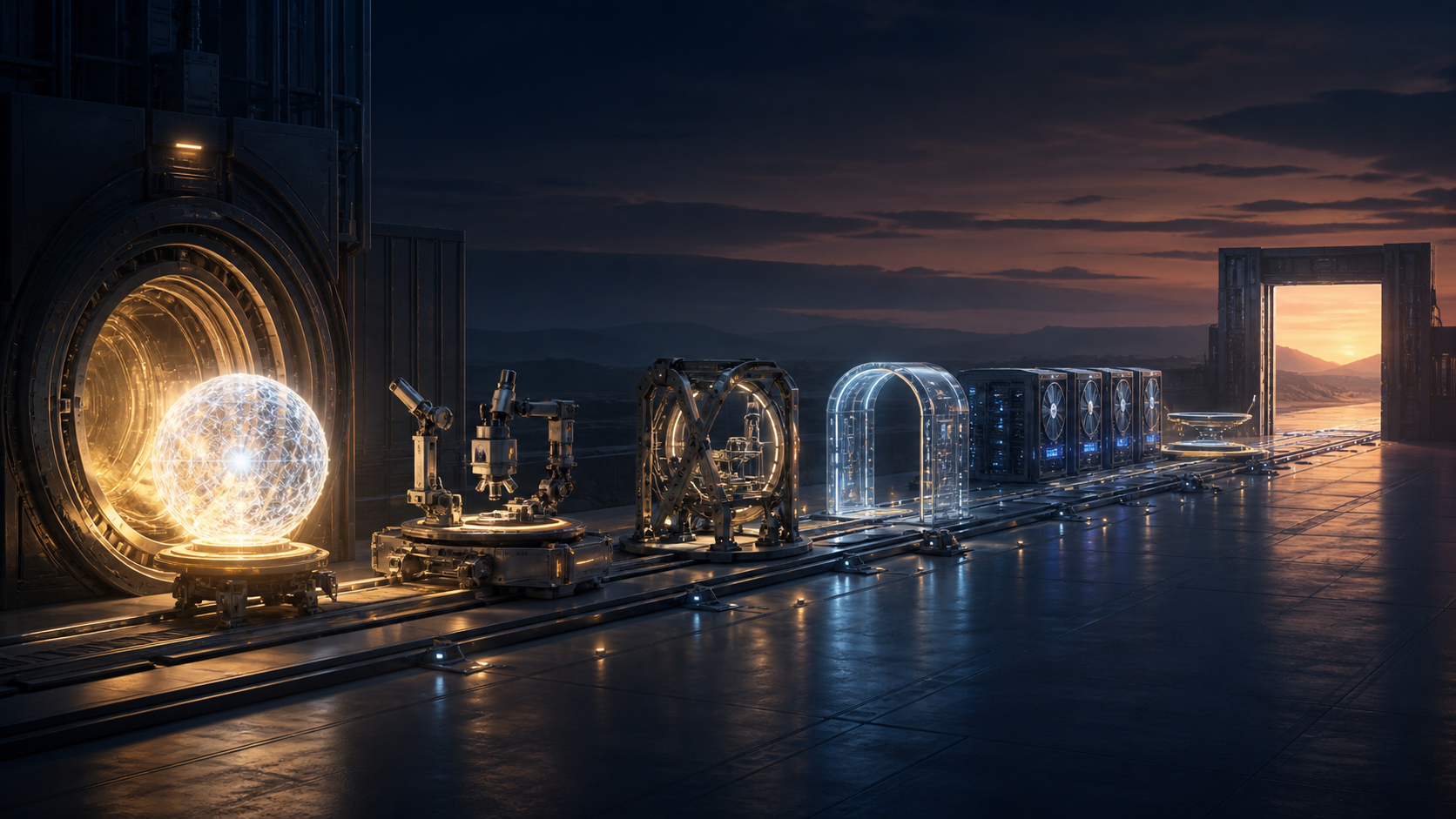
OpenAI has not confirmed the Spud rumor or GPT-6. Learn why finishing pretraining would be a milestone—not a release date—and what must happen before deployment.
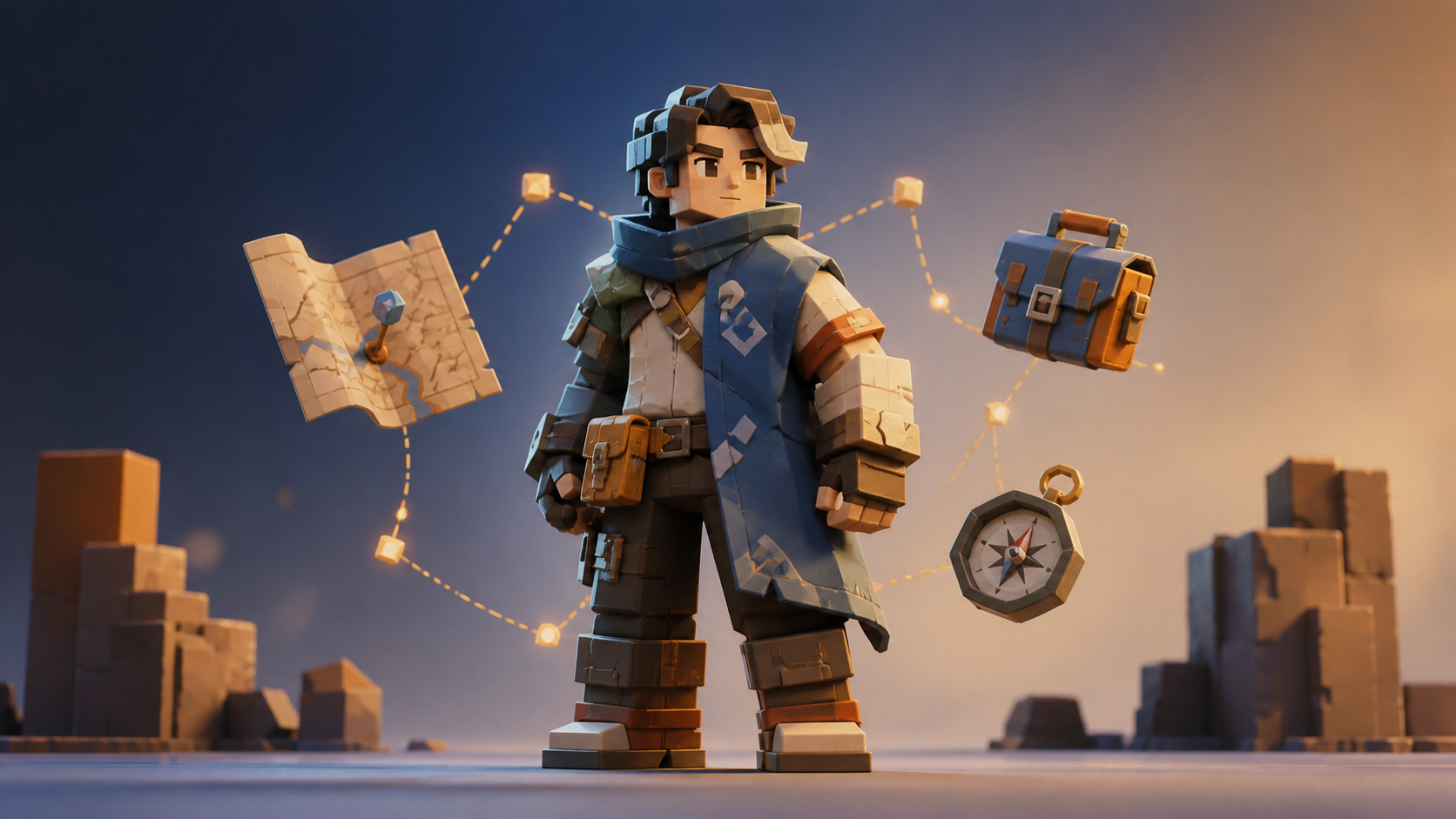
Build a readable Roblox-inspired OC with a clear silhouette, limited palette, purposeful accessories, roleplay hooks, and platform-safe originality.
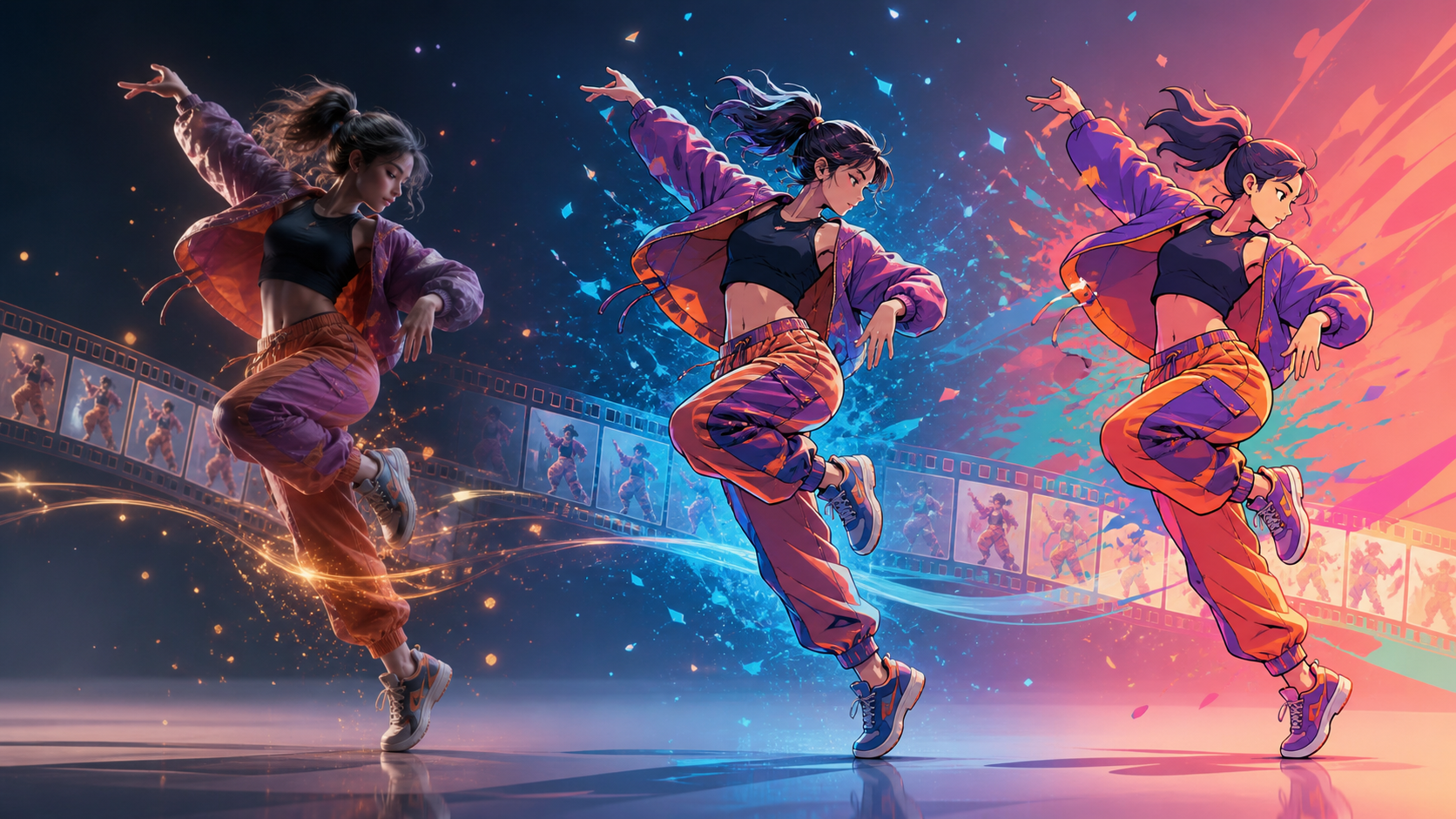
A practical workflow for choosing footage, directing a visual style, preserving motion and identity, fixing flicker, and exporting a usable stylized video.
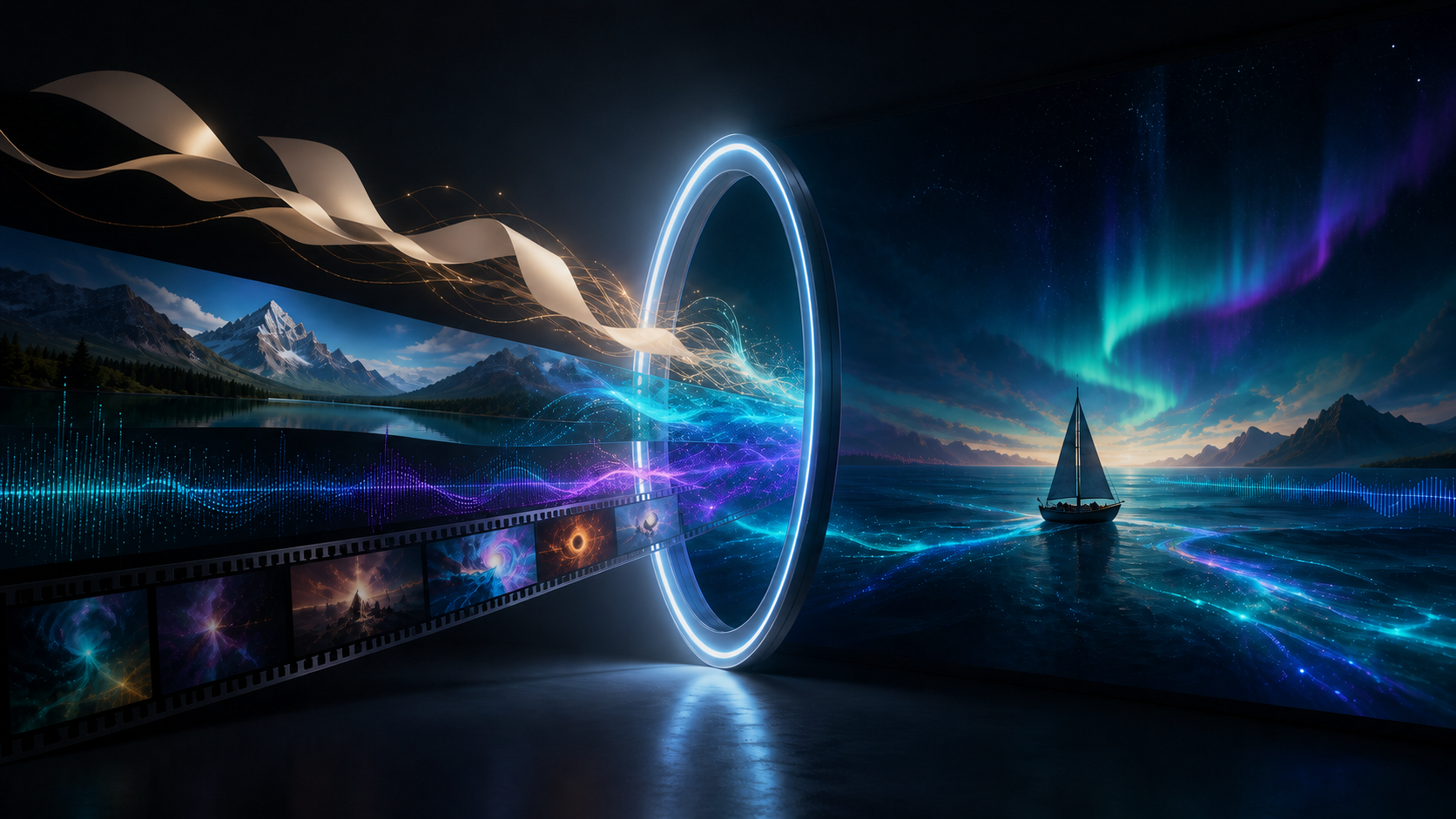
Understand Google's multimodal video model, what Gemini Omni Flash can do now, what remains a roadmap, and how to evaluate it responsibly.

A current guide to OpenAI’s April 2026 reasoning model, including its context window, tools, agentic strengths, API options, limits, and place beside GPT-5.6.
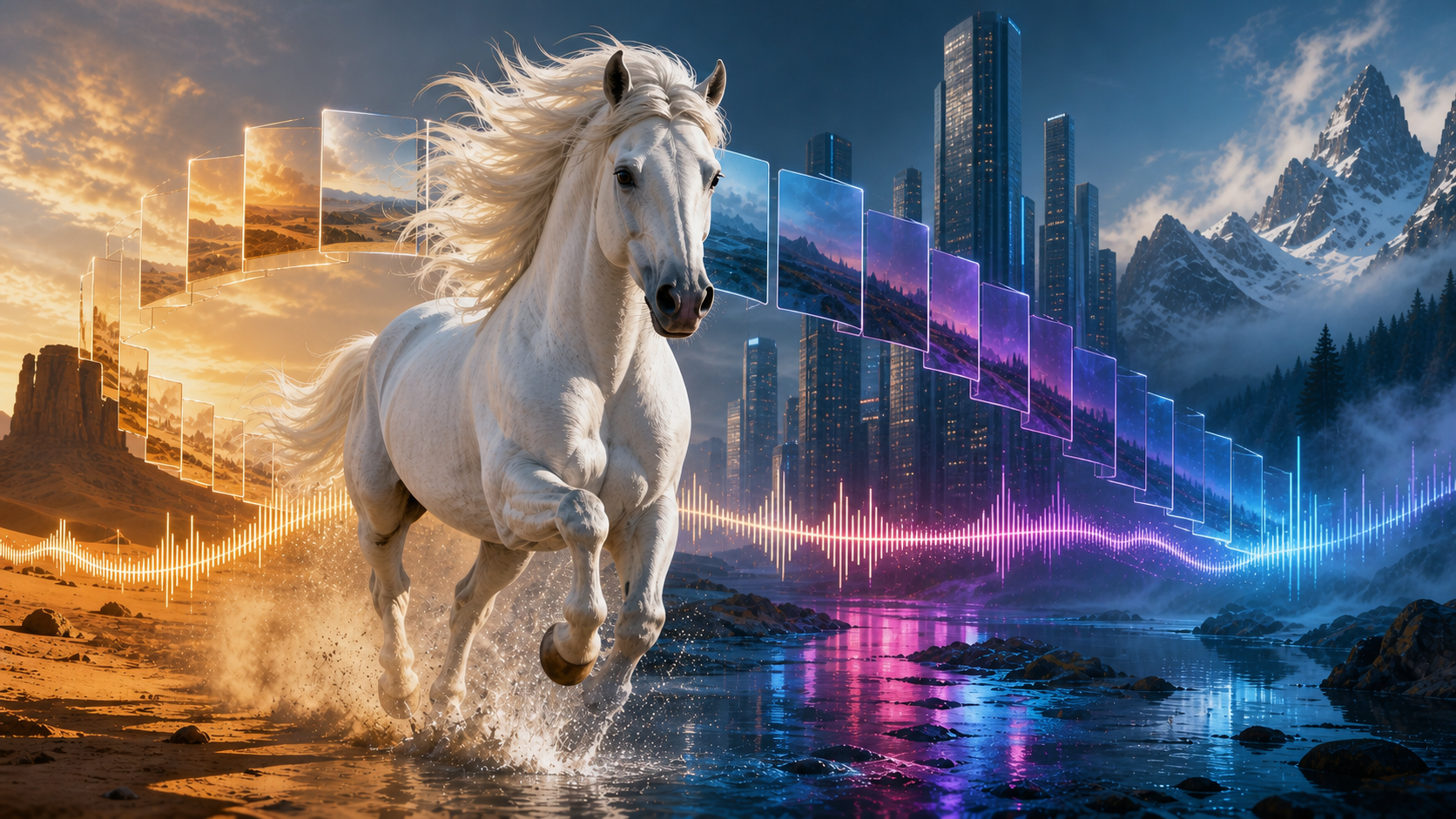
A clear, evidence-aware guide to HappyHorse 1.0, its audio-video ambitions, early benchmark attention, creator use cases, and the questions still worth asking.

A practical look at the model that pushed agents from clever demos toward reliable, long-horizon work—and what builders should carry forward today.
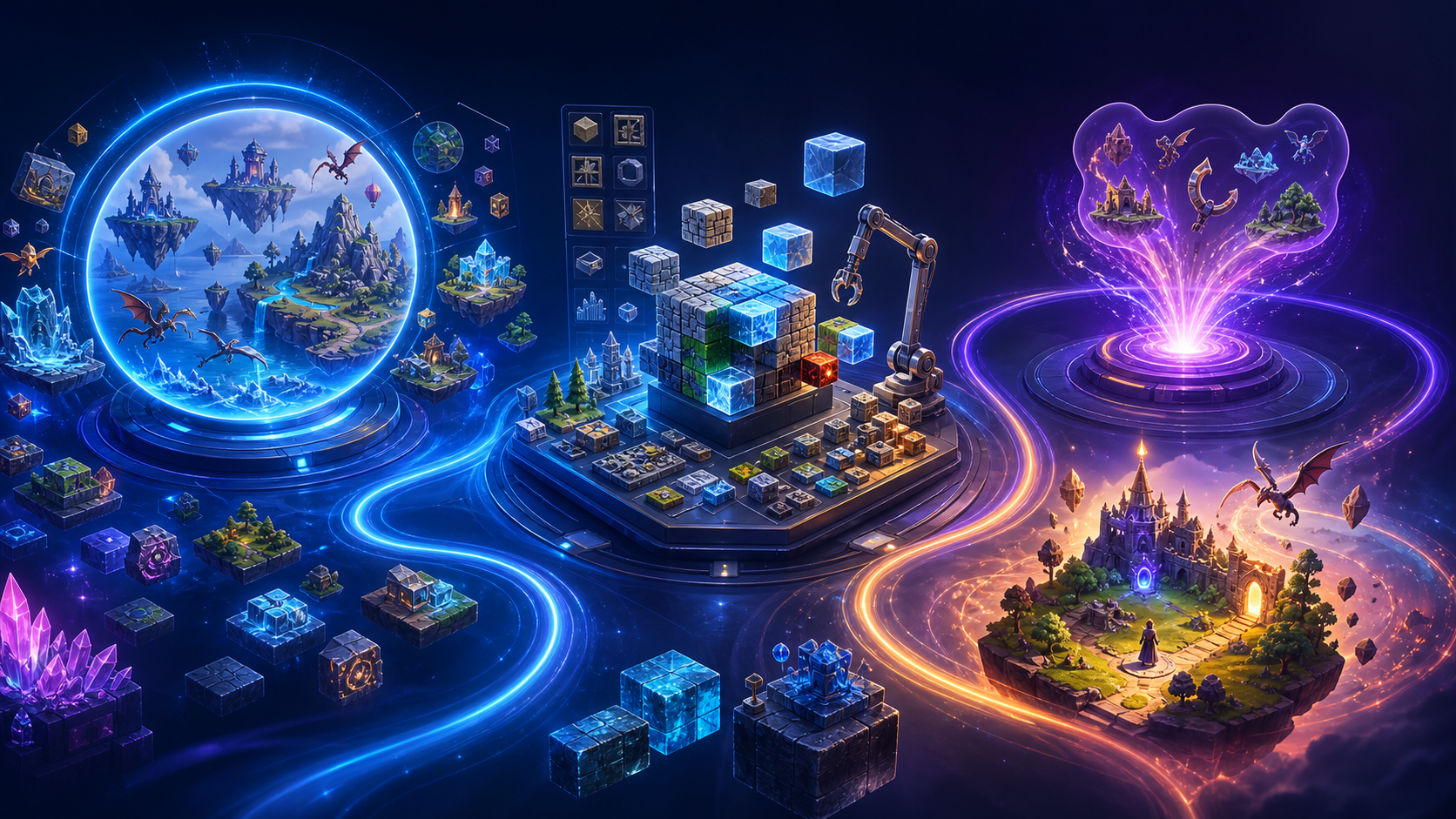
Compare AI game generators, makers, and platforms by purpose, workflow, control, community, and the types of creators each one serves.
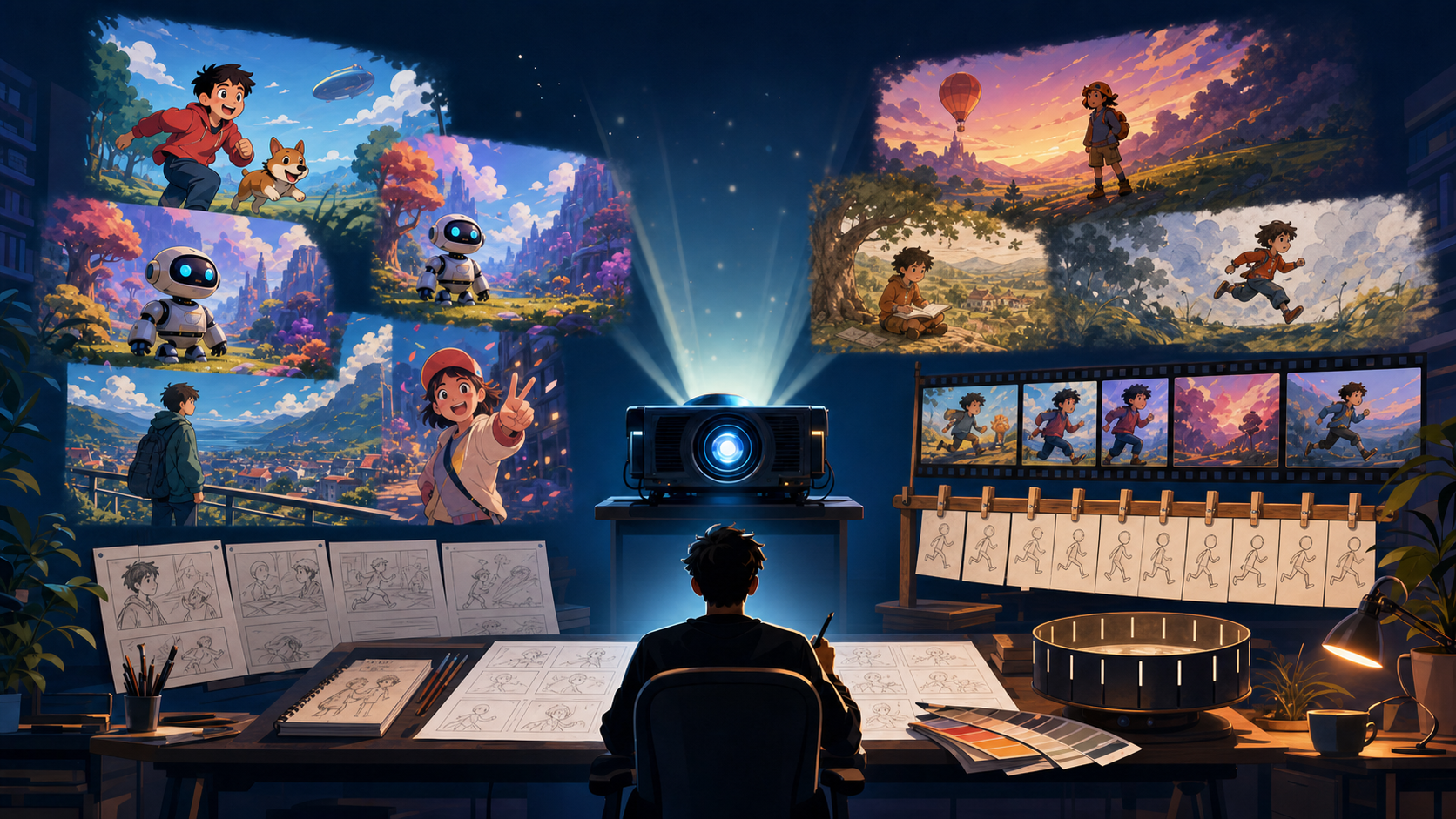
Compare 10 free-to-try cartoon video tools by generation style, editing workflow, character consistency, export limits, learning curve, and ideal use case.
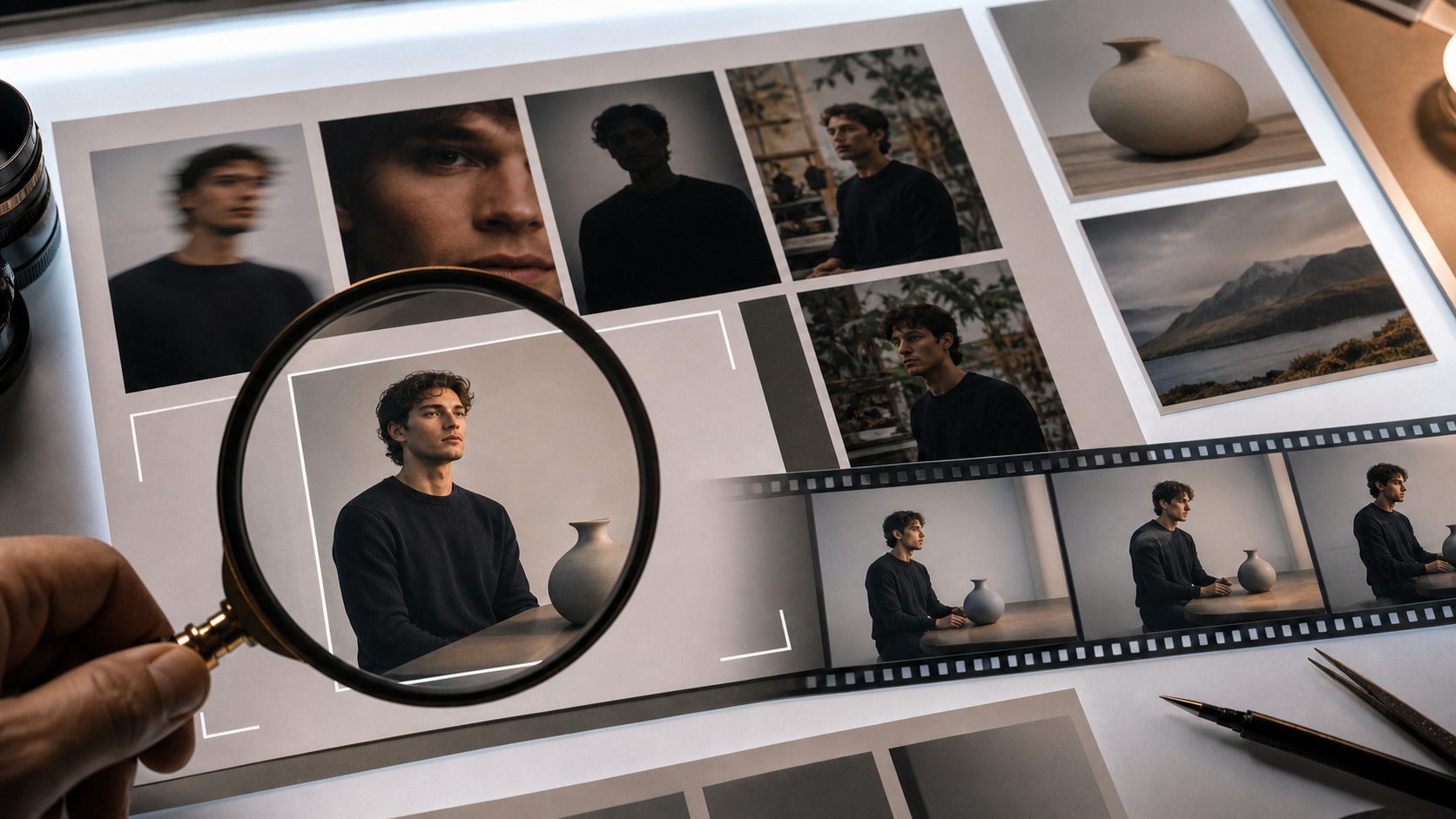
Choose stronger image-to-video source photos with a 100-point scorecard, preparation workflow, motion prompts, subject-specific advice, and troubleshooting fixes.

Plan, prompt, generate, and troubleshoot first-and-last-frame AI video with shot templates, an end-to-end workflow, failure fixes, and a detailed QA checklist.
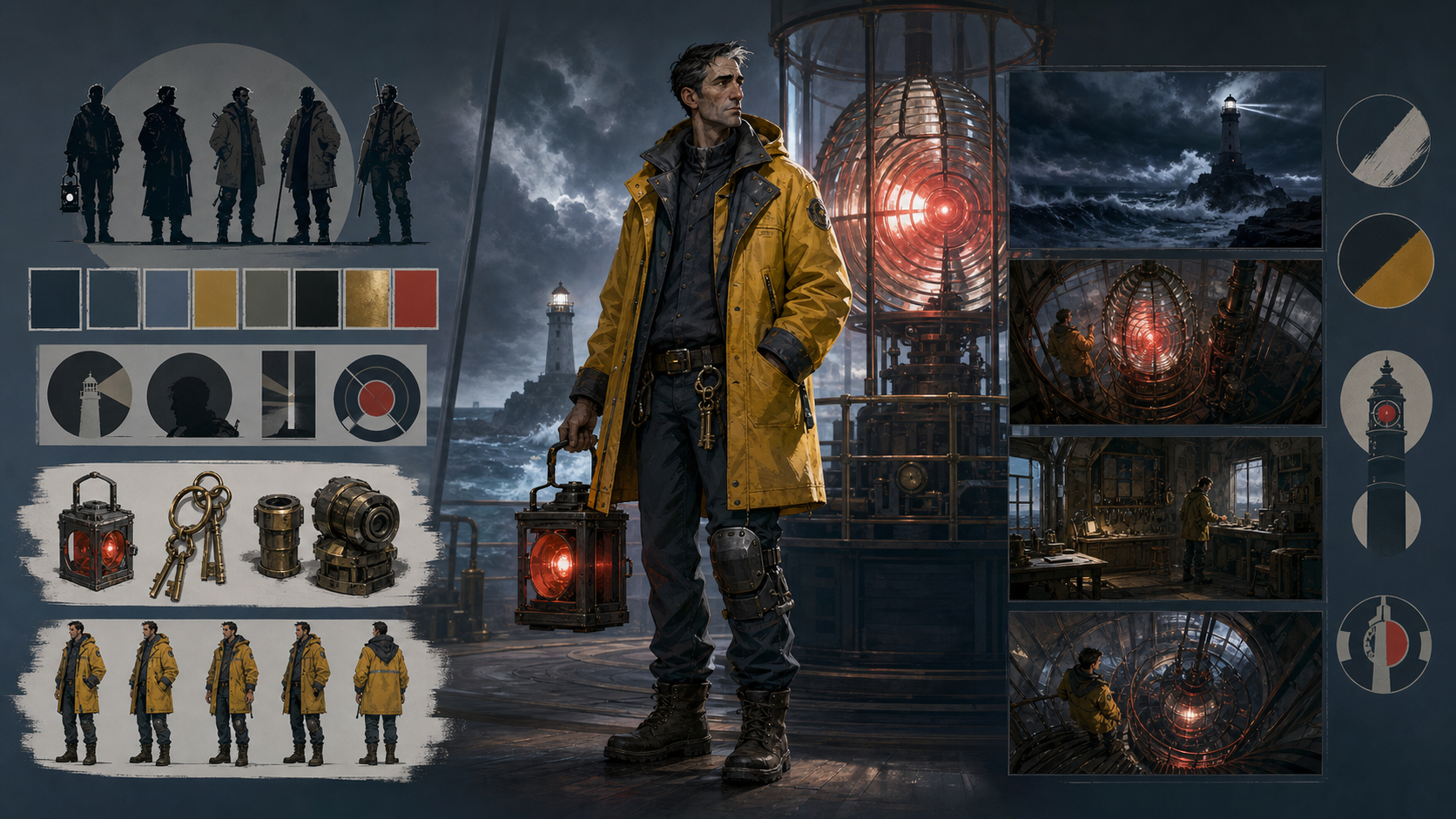
Build distinctive, repeatable original characters with a practical framework for role, silhouette, outfit logic, props, palette, and identity anchors.
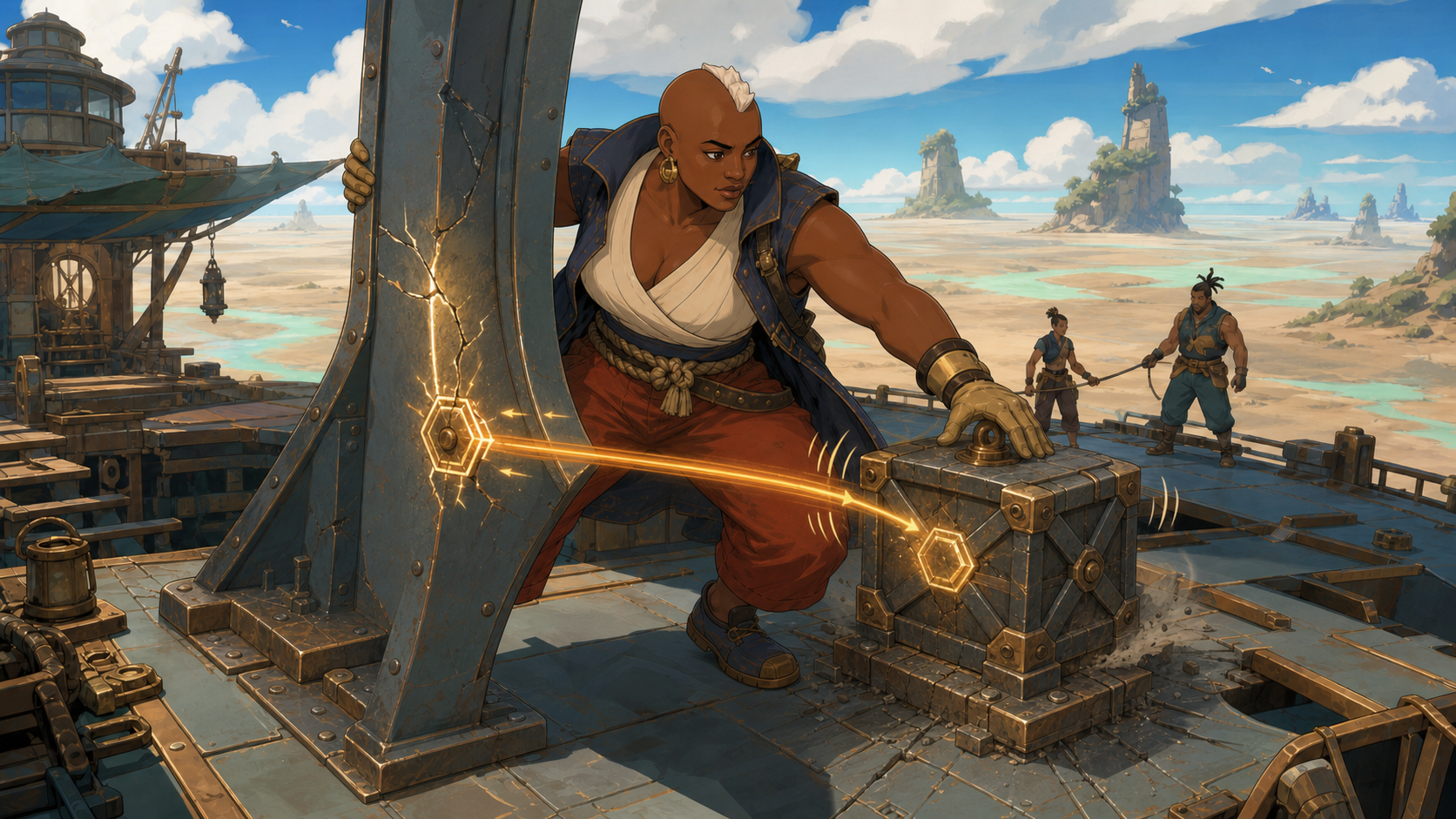
Design an unofficial pirate OC with an impossible dream, useful crew role, a distinct fan-made power with clear limits, readable outfit, relationships, and a story arc.
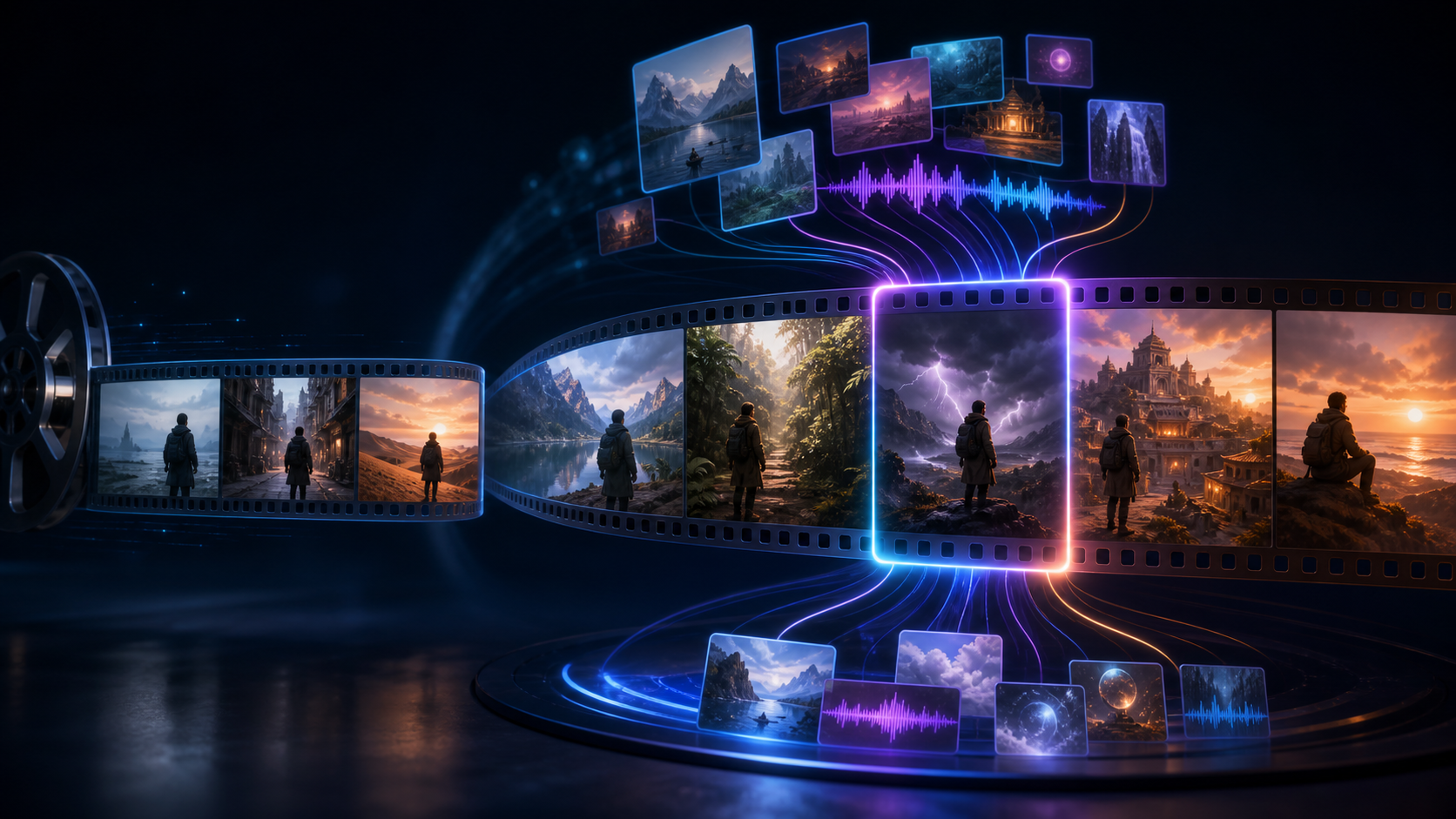
Compare the reported Seedance 2.5 upgrades in video length, multimodal references, story continuity, camera control, extension, and targeted editing.
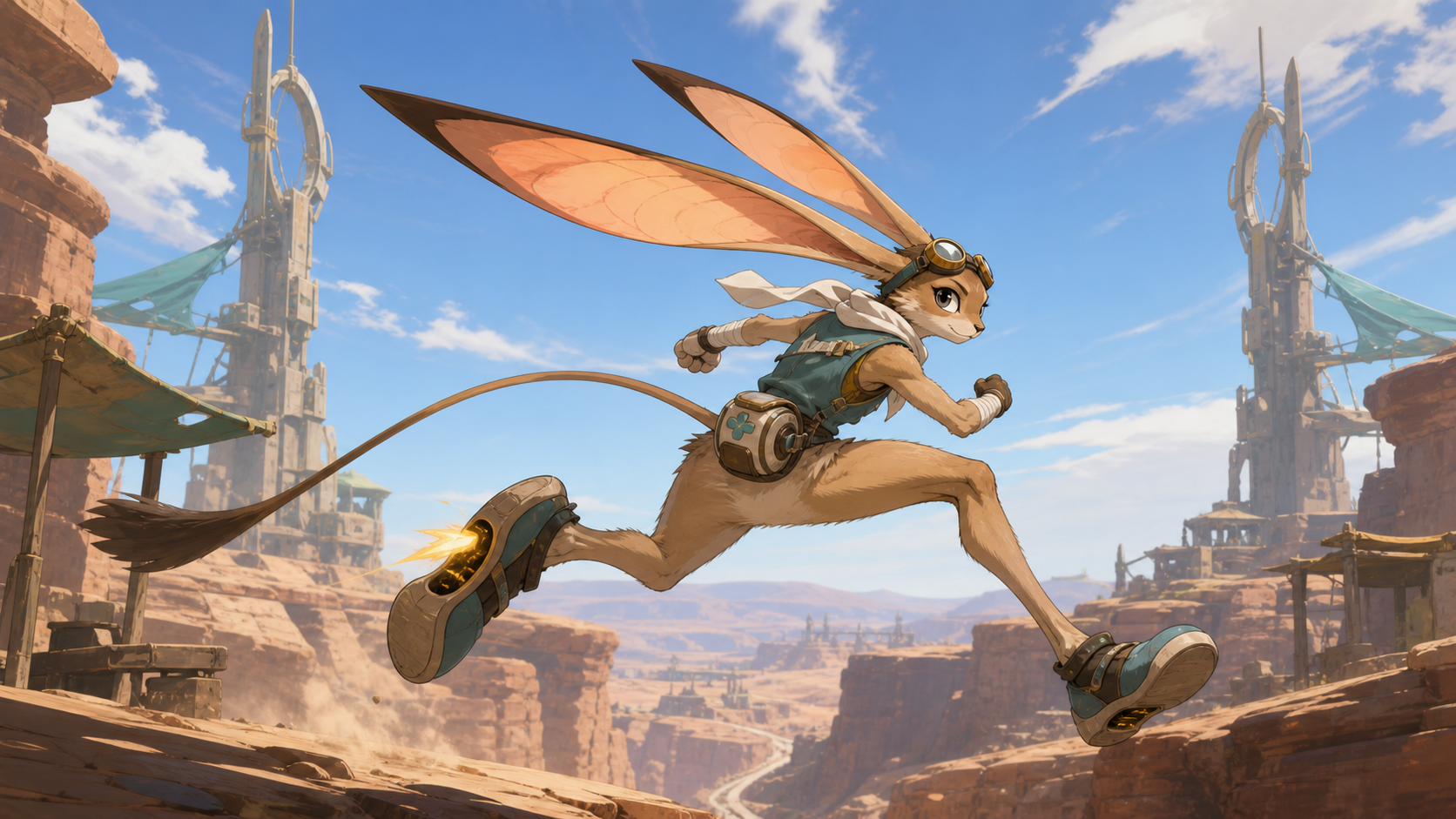
Design an unofficial action-game OC with species-led movement, limited powers, functional footwear, a clear palette, and an original fan story.
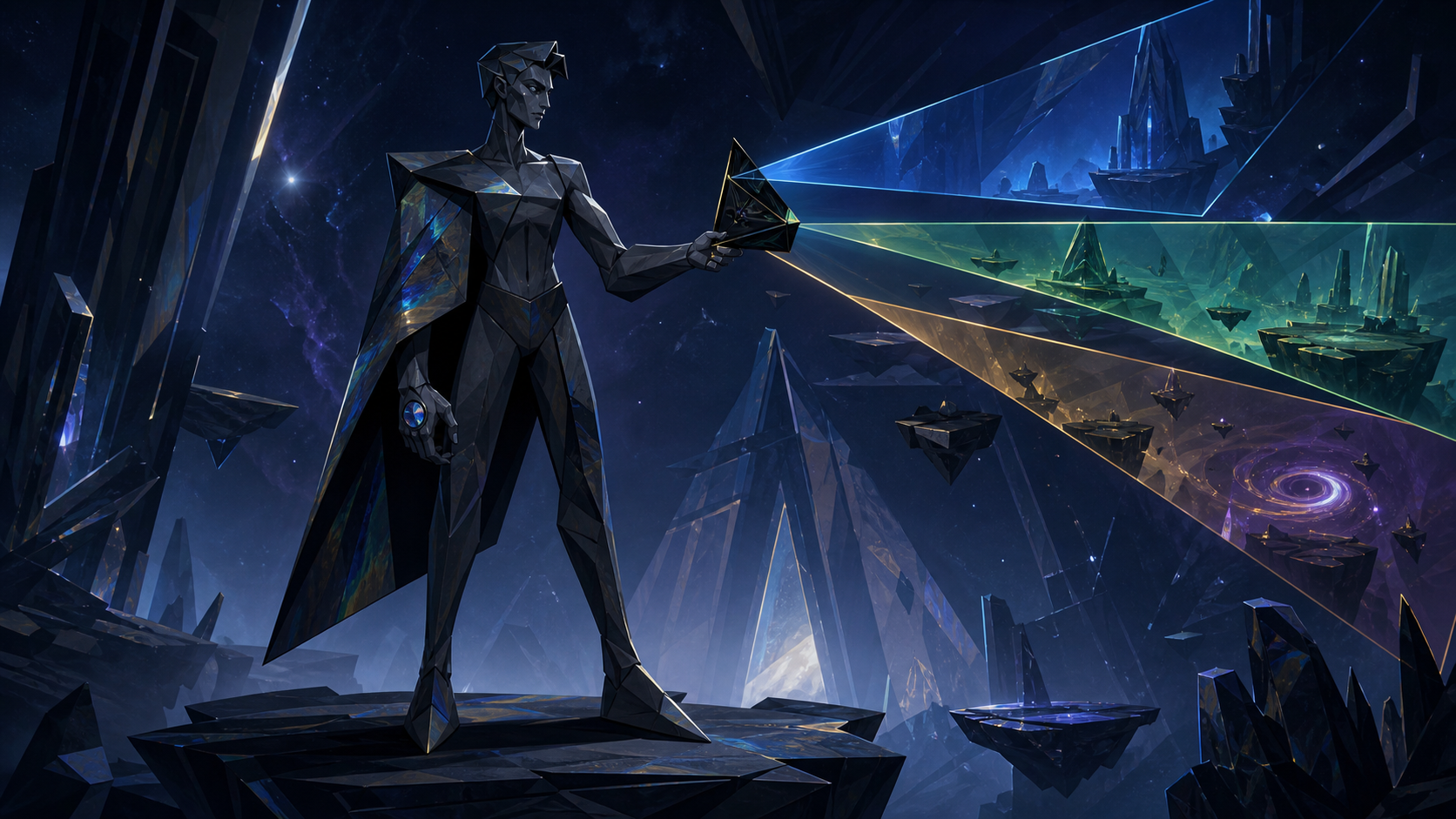
Build an unofficial Gem-inspired OC by connecting mineral properties to silhouette, power, limitations, personality, relationships, and an original fan story.
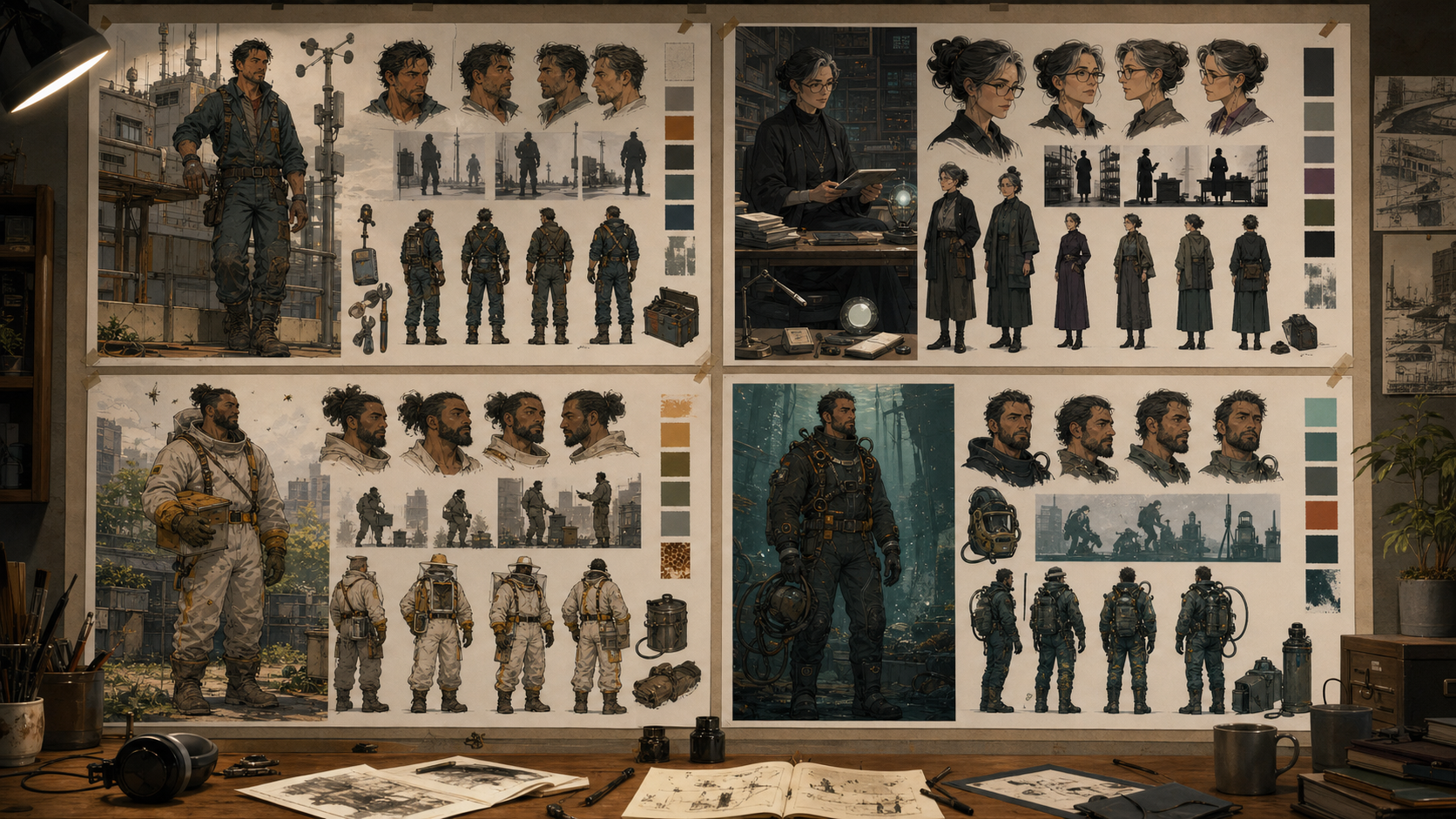
Explore 25 original anime OC ideas with built-in goals, contradictions, visual hooks, limitations, and prompt starters for AI character generation.
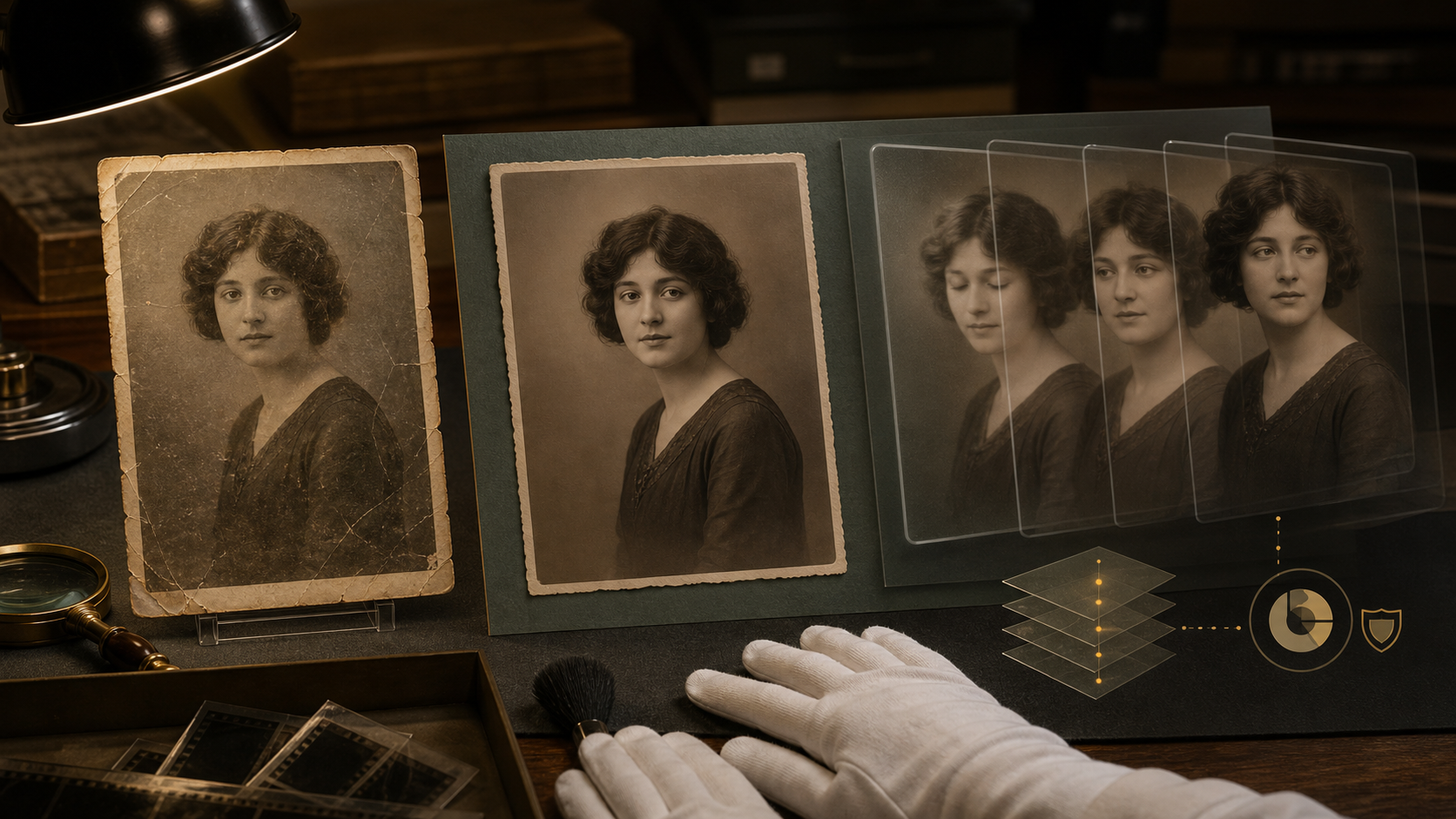
Compare subtle portrait motion, talking avatars, scene animation, and 3D parallax—then follow a careful restoration, consent, and quality workflow.
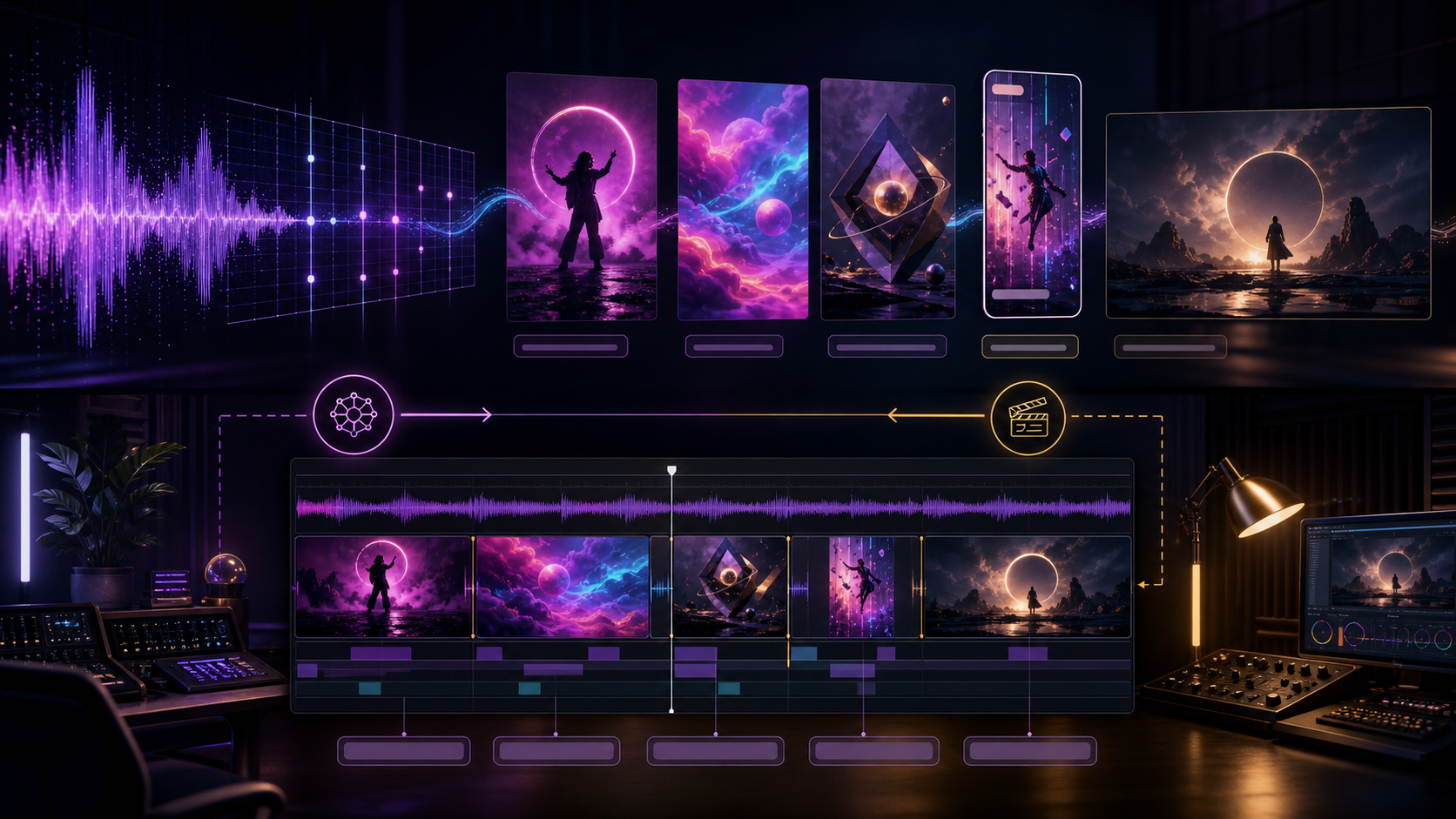
Compare ten AI music-video workflows by song input, beat control, lyrics, free-plan limits, export rights, and production role.
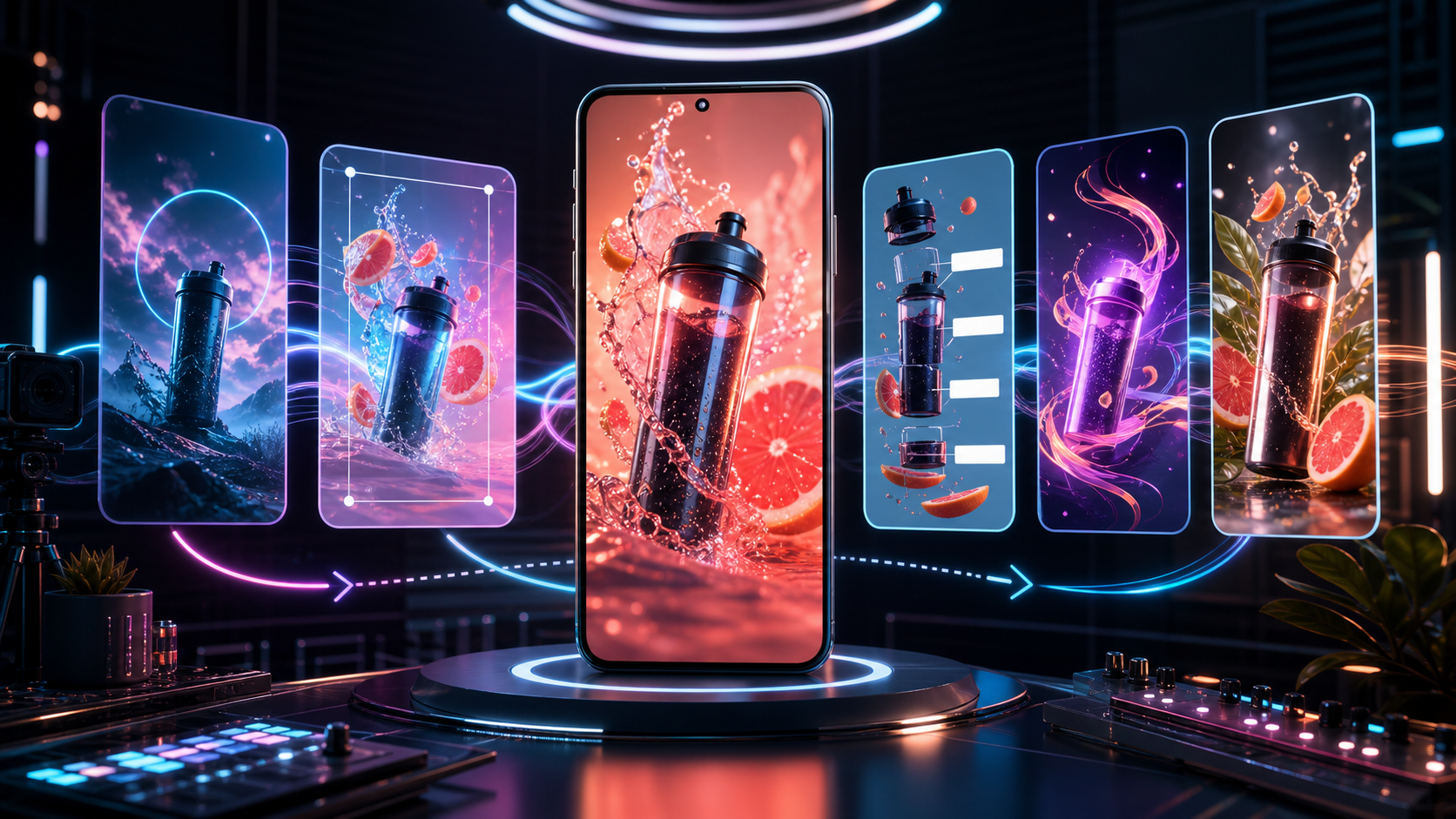
Compare ten AI-assisted TikTok video workflows by vertical fit, hook creation, captions, assembly, export limits, watermarks, and real free-start conditions.
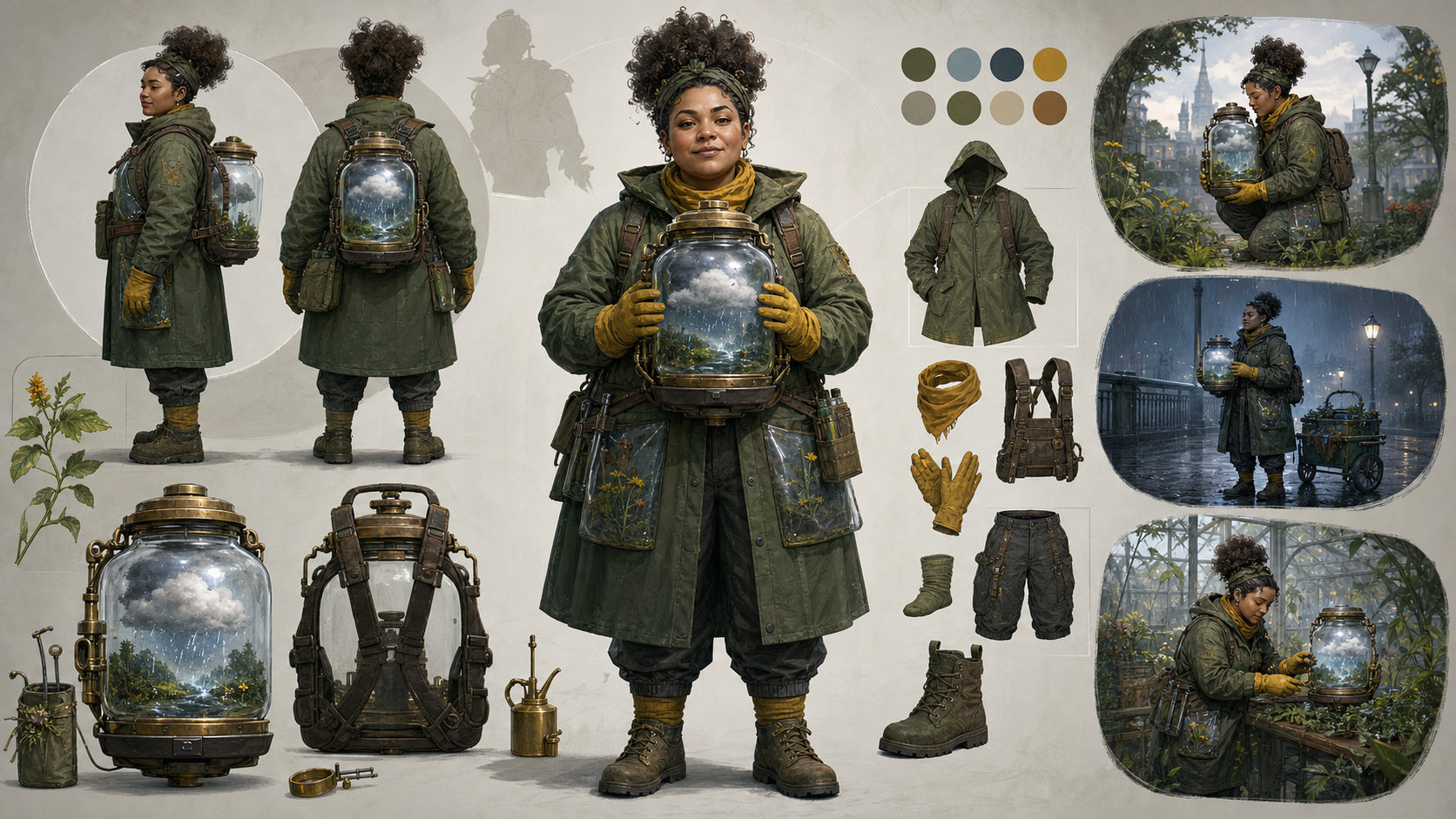
Choose an OC maker by destination, consistency, editing, portability, rights clarity, and total accepted-design cost—not by an unsupported ranking.
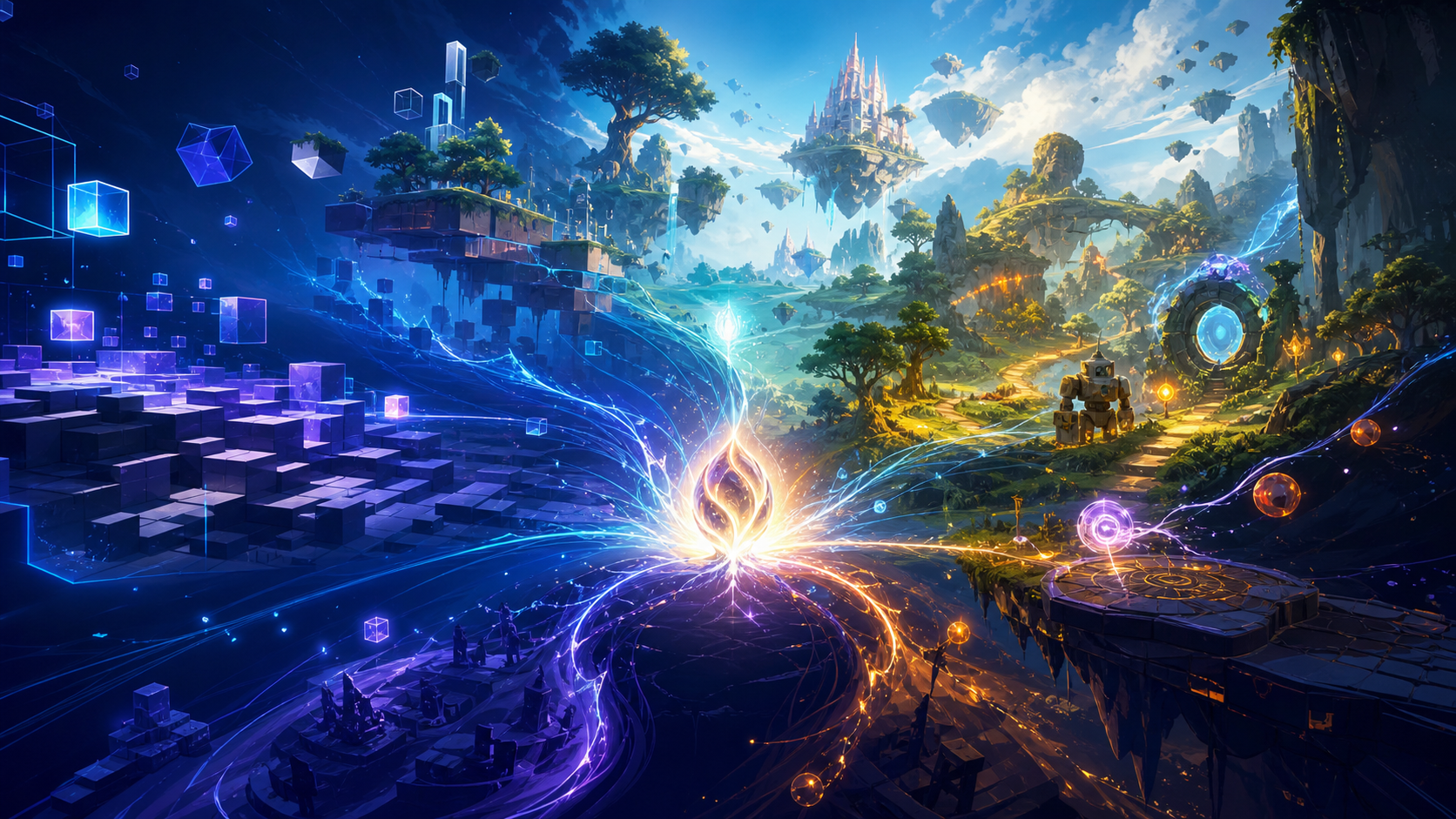
Explore how AI could lower the barriers to user-generated games, accelerate prototyping, personalize play, and enable create-play-remix communities.
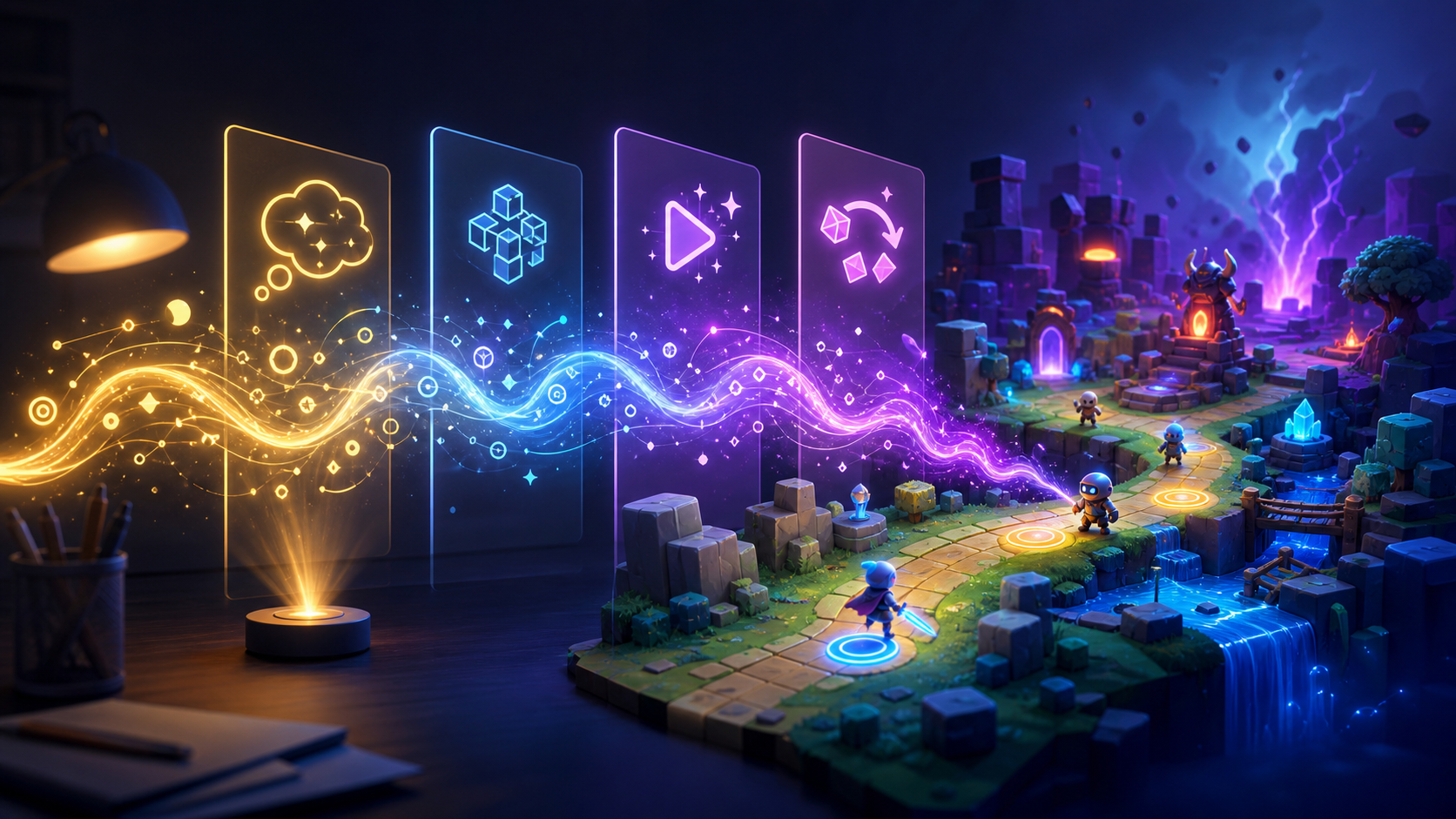
Turn one game idea into a small playable prototype, test the core experience, and improve it without confusing a quick demo with a finished game.
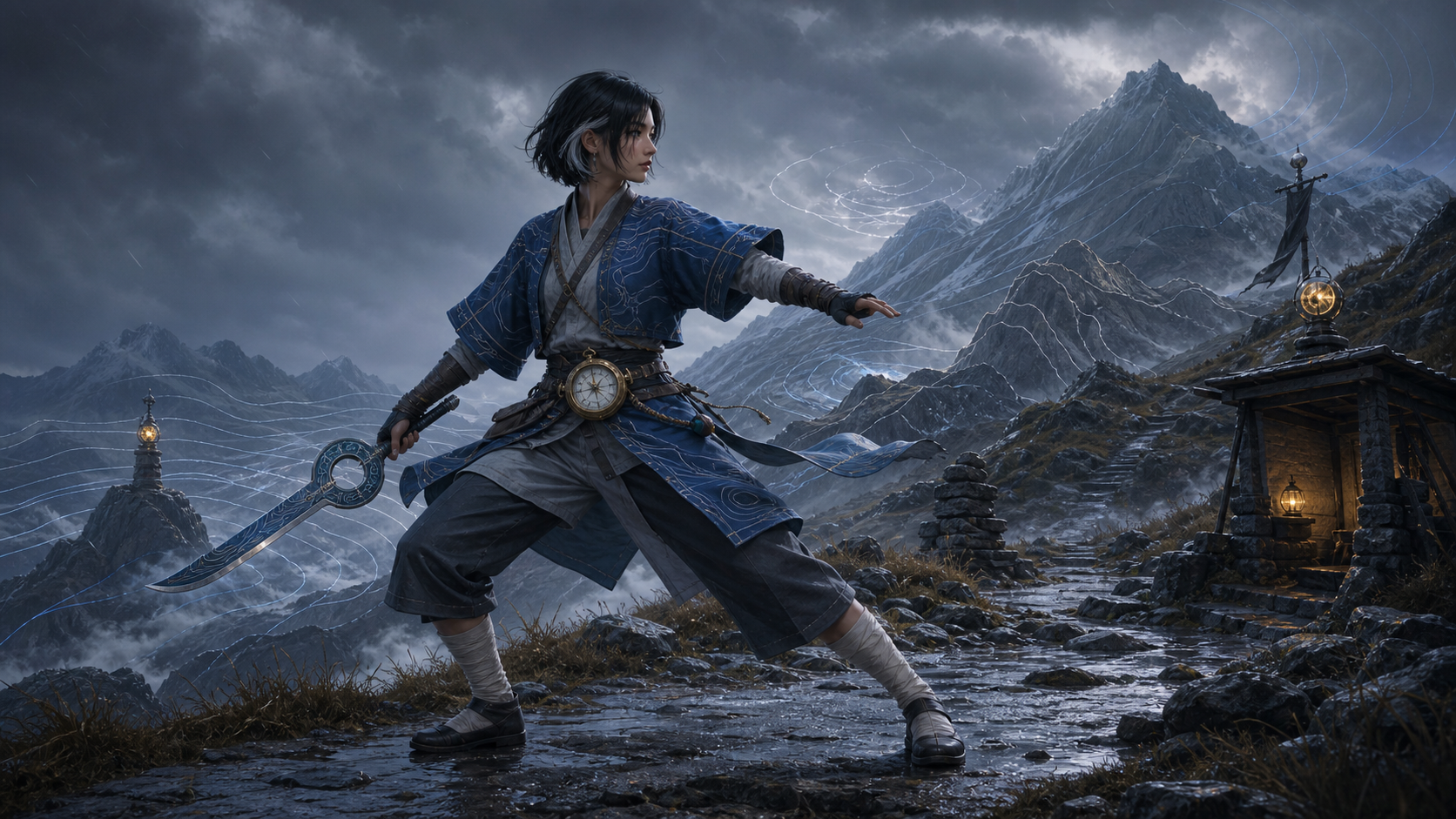
Create an unofficial Demon Slayer-inspired OC with an original breathing-style theme, Nichirin blade concept, uniform, limitation, personality, and fan-story.
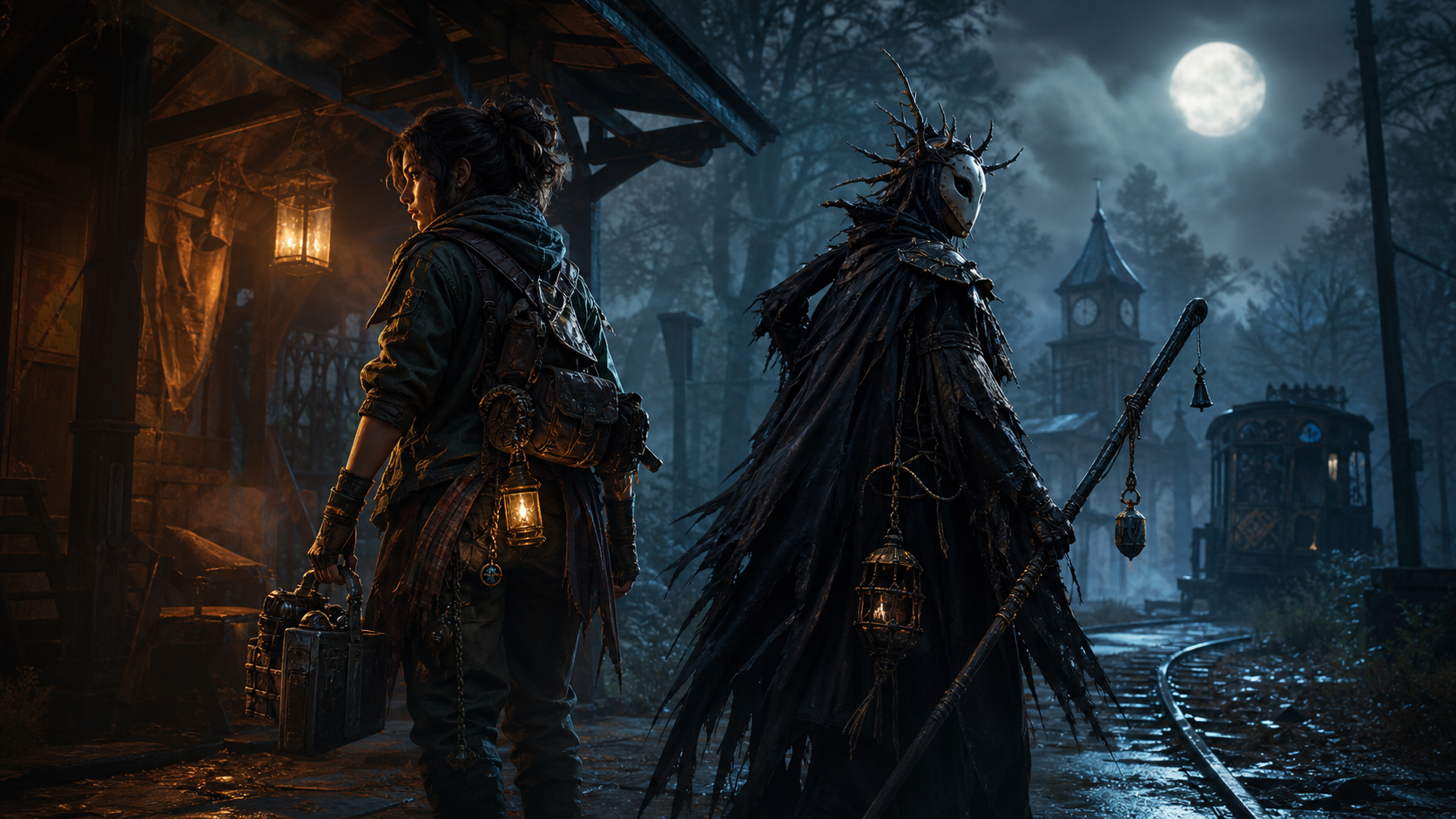
Create an unofficial Forsaken-inspired Survivor or Killer OC with a readable role, ability loop, counterplay, visual cues, lore, and balanced fan concept.
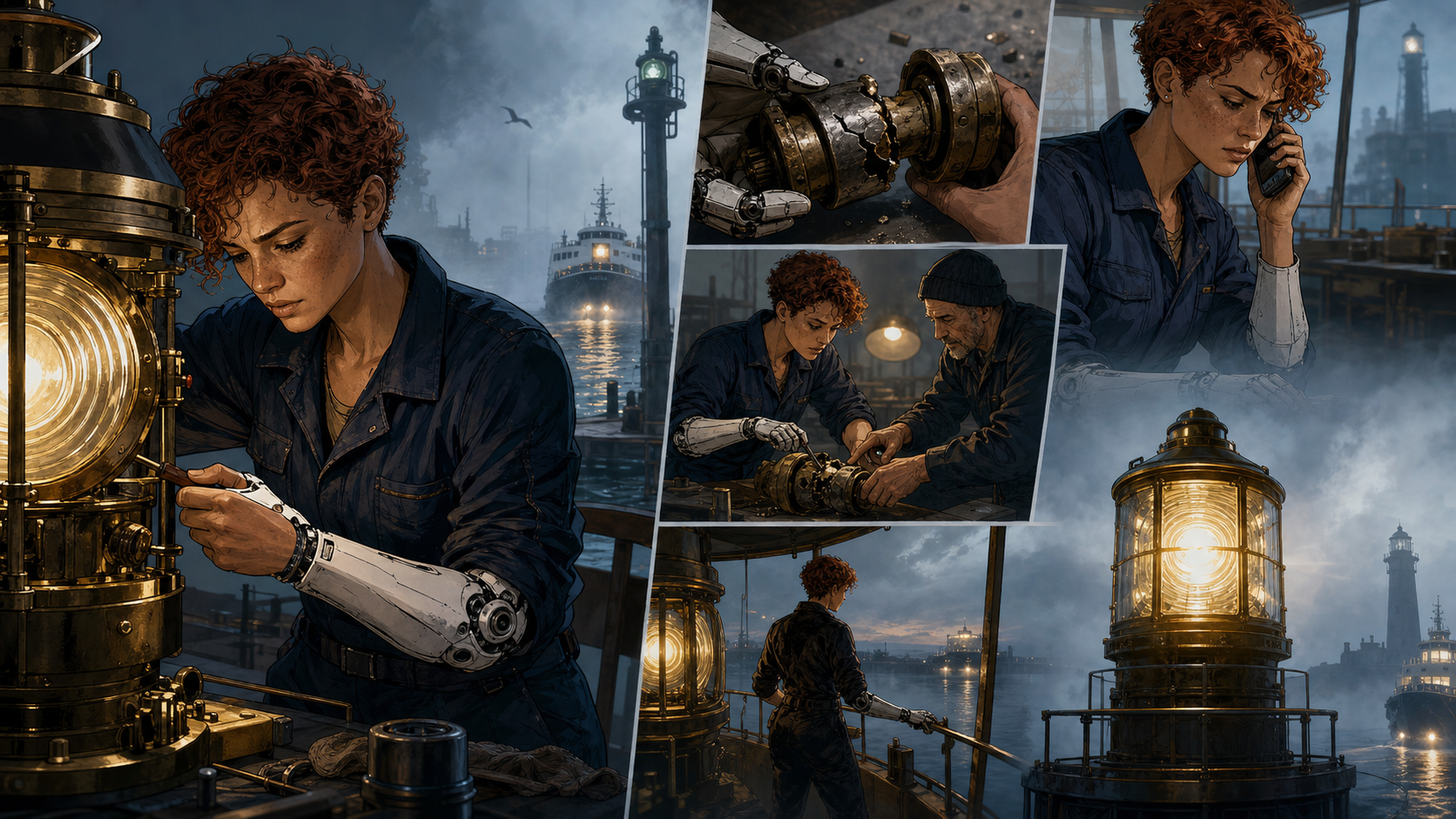
Turn an original character into a readable comic with a practical workflow for premise, character arcs, scripts, panels, continuity, dialogue, and final export.
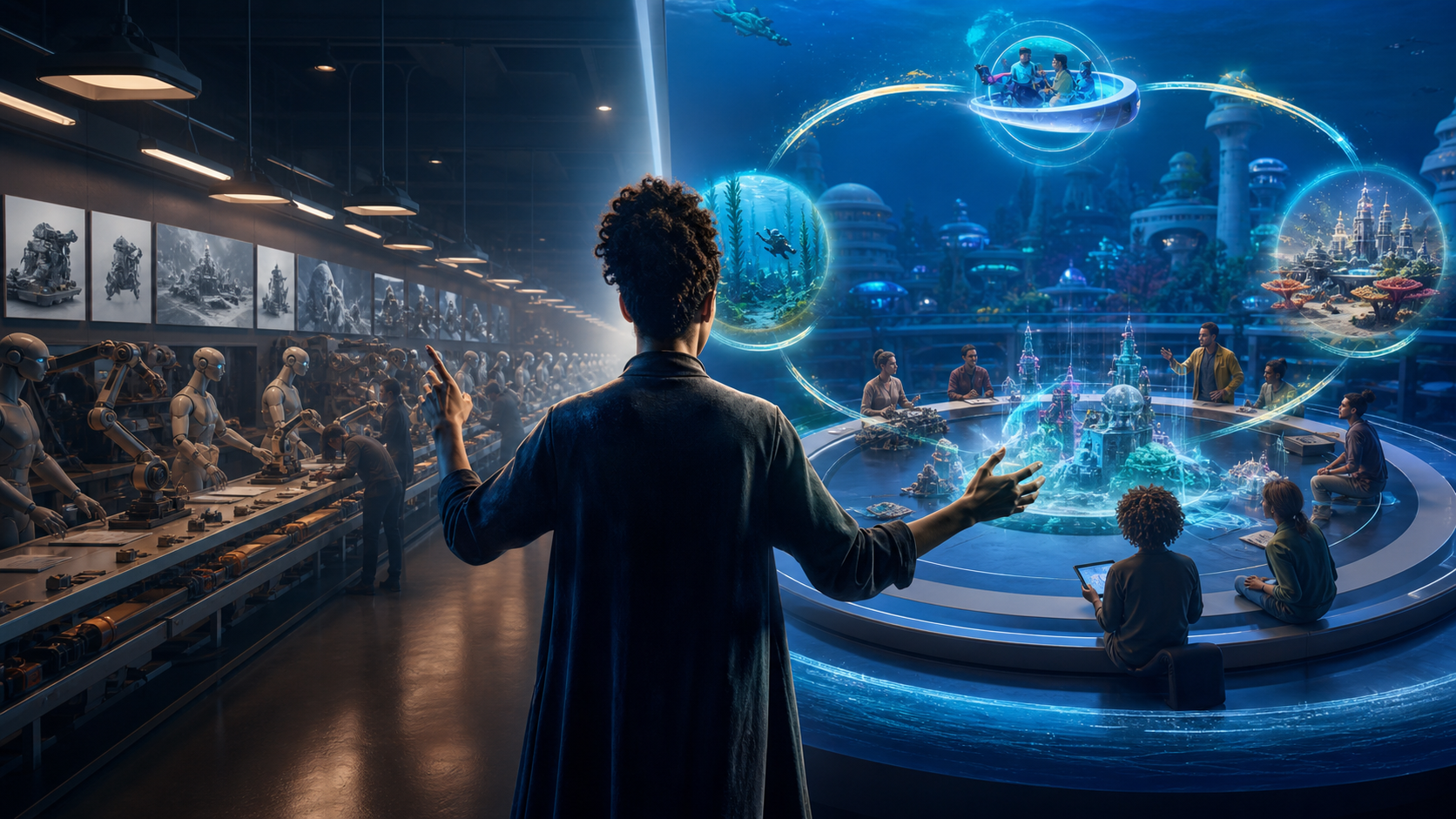
Explore how AI is shifting early game design from tool-first production toward faster, idea-led prototyping, play, feedback, and remix cycles.
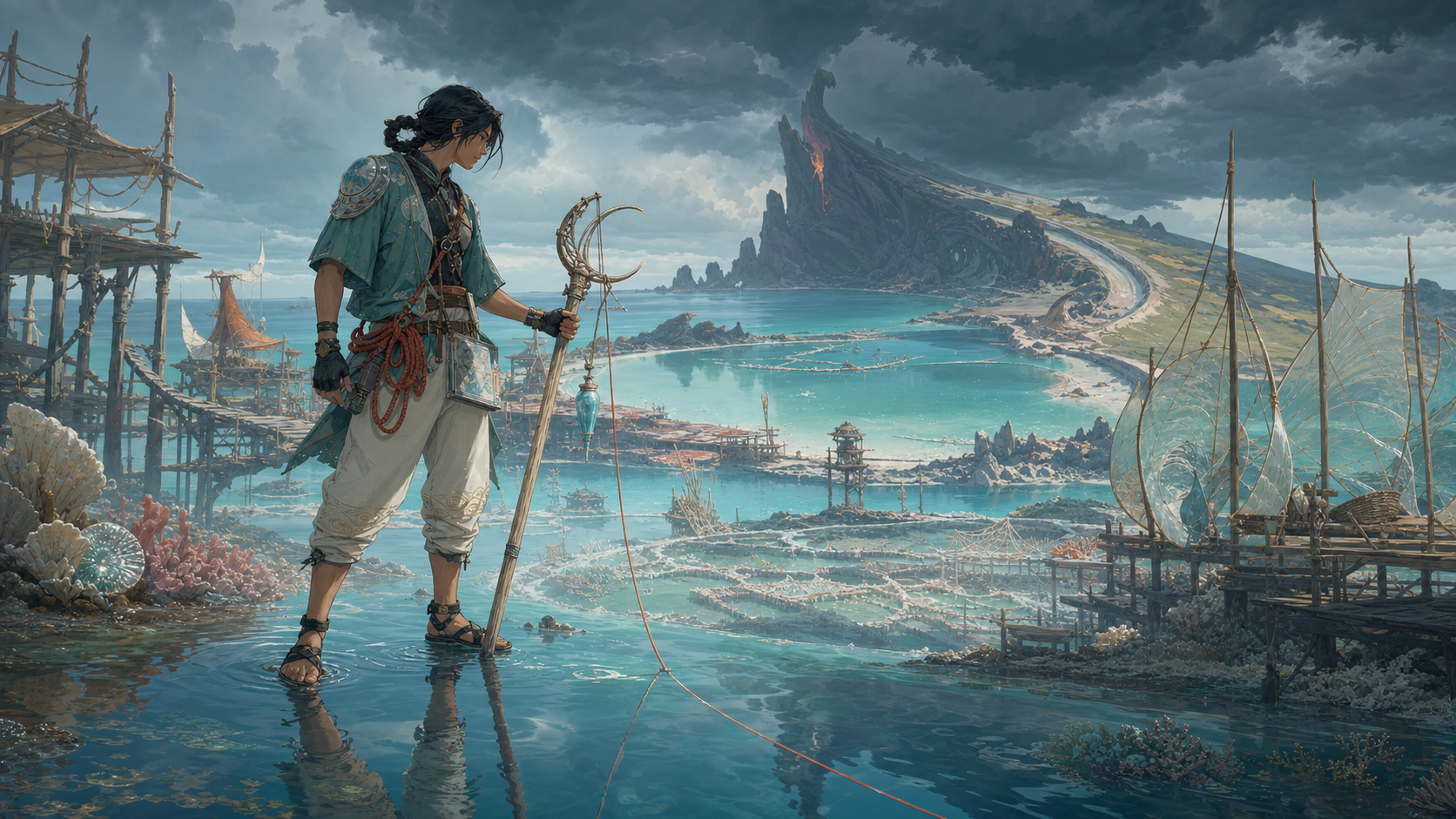
Design an unofficial Genshin-inspired OC with a coherent fan-made region, Vision concept, weapon role, outfit logic, personality, story, and IP boundaries.
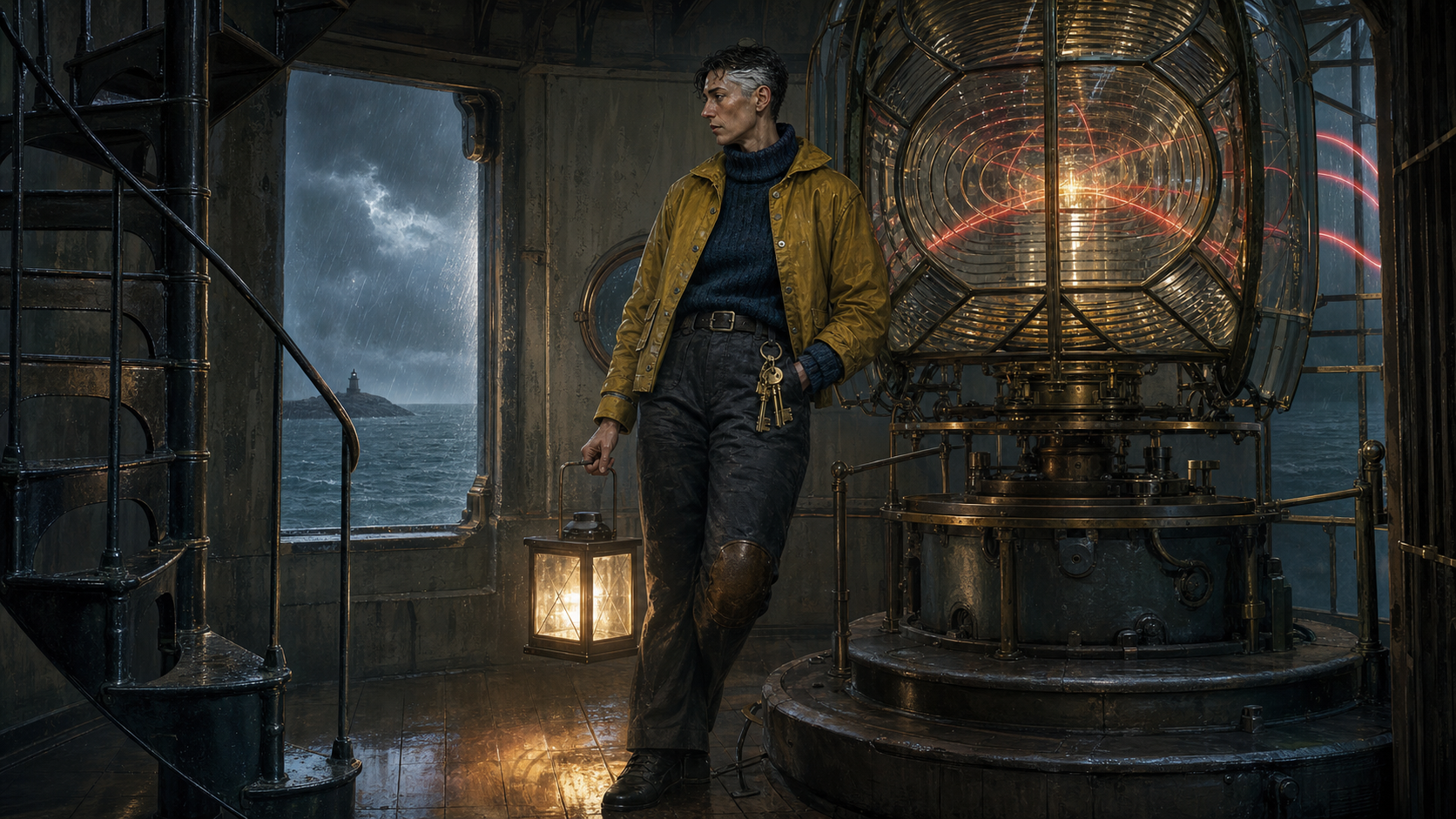
Make a story-ready OC with AI by connecting personality, silhouette, outfit function, abilities, limitations, relationships, and backstory.
An evidence-led MiniMax H3 review separating documented 2K, audiovisual, and pricing details from unverified performance and comparison claims.

A grounded look at how natural-language tools, multimodal AI, agents, and UGC could lower game-creation barriers without replacing developers or guaranteeing complete worlds.
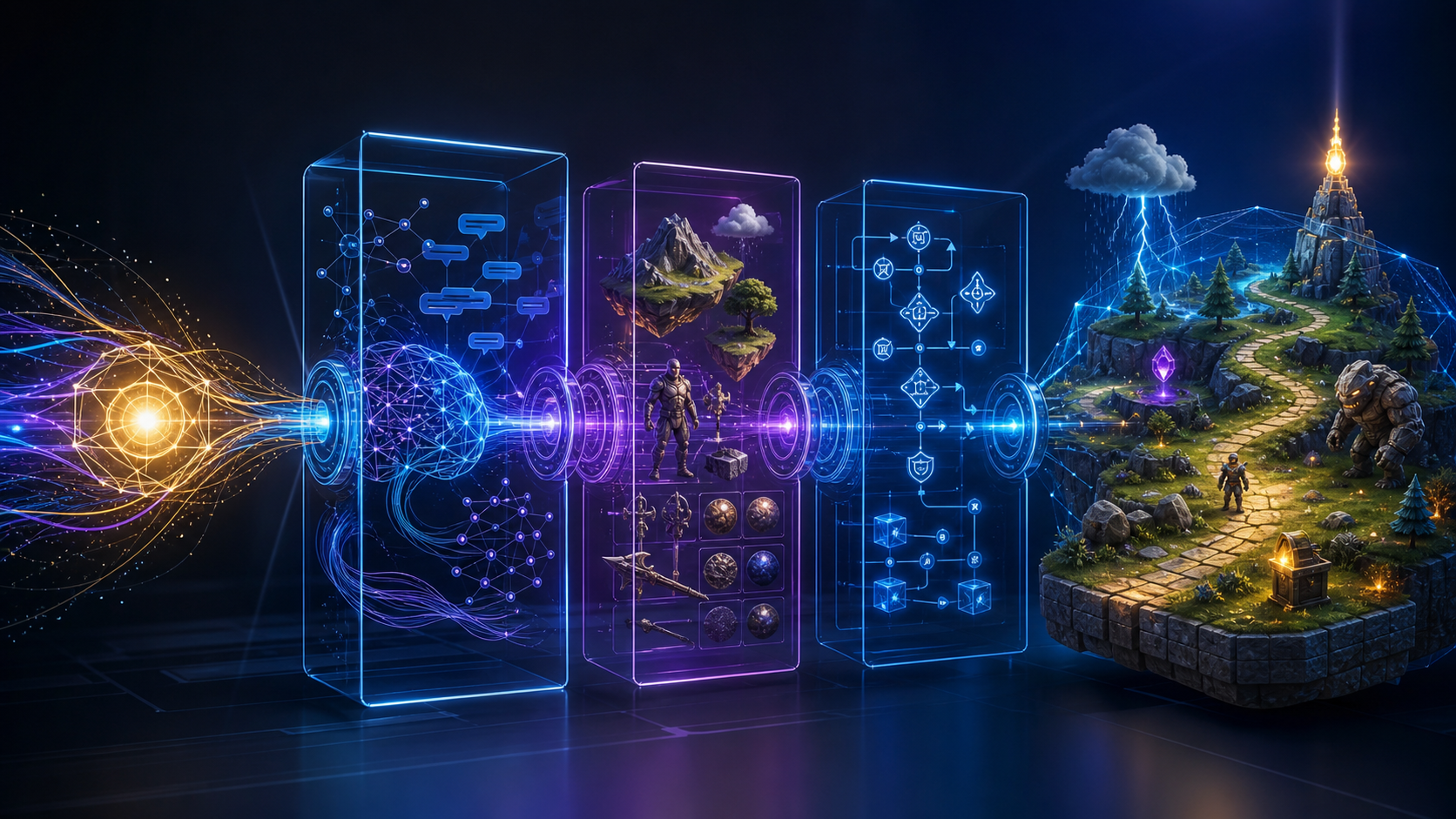
Learn what AI game generators can realistically assist with in 2026, how their three technical layers work, which experiences they suit, and where limits remain.
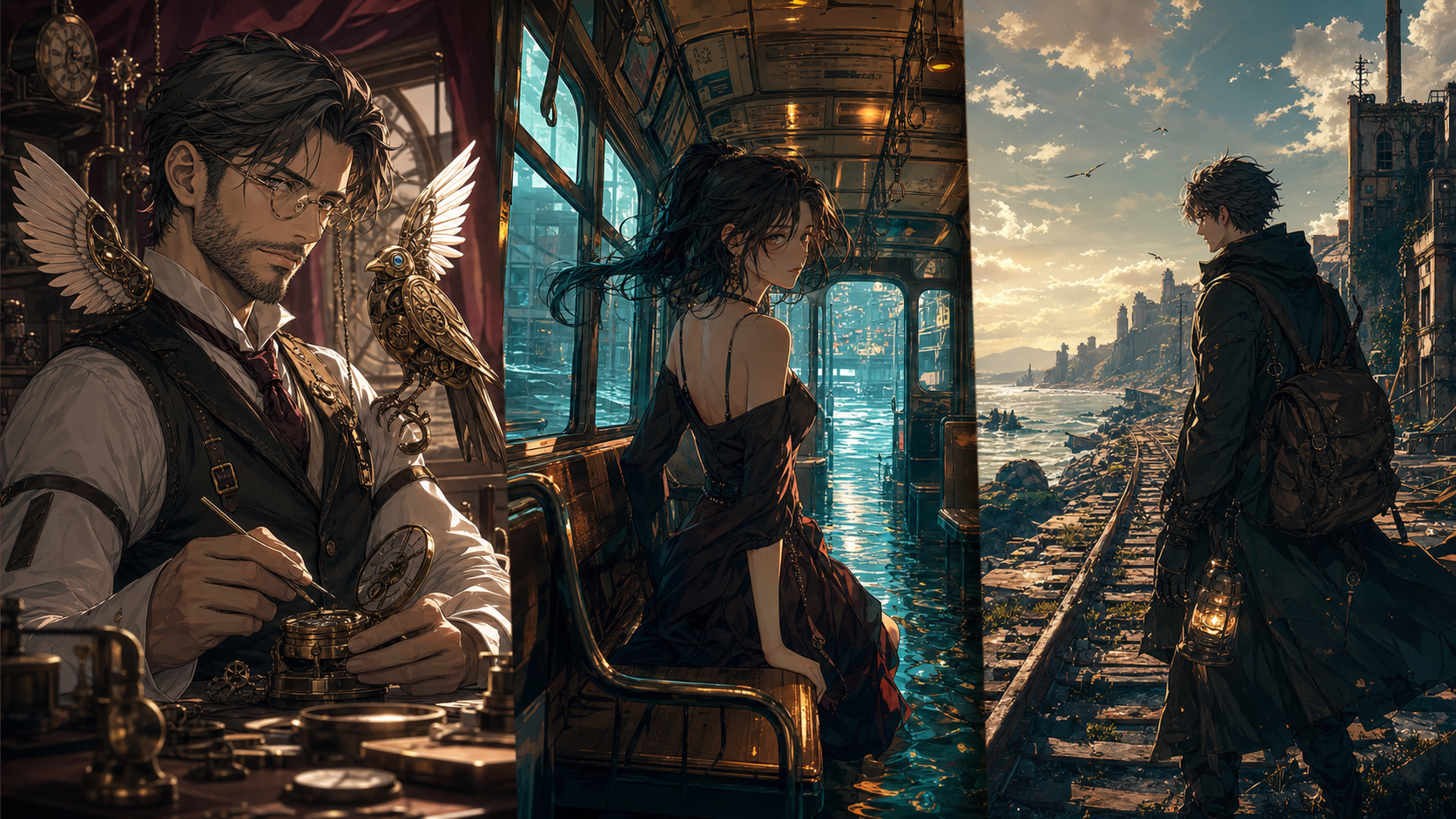
Use ten adaptable AI anime prompts to improve character design, camera direction, lighting, backgrounds, action, emotion, and visual consistency.
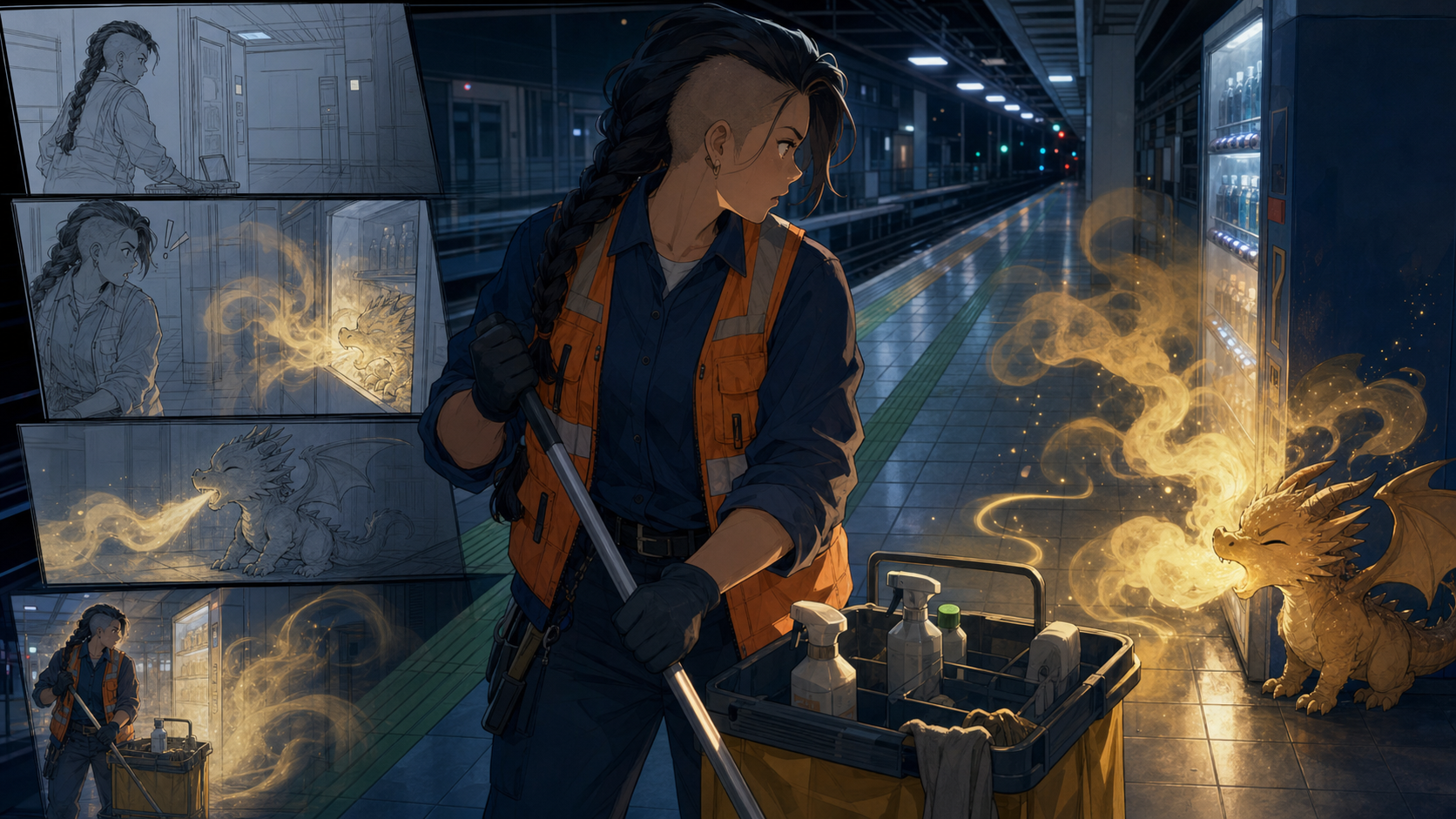
Turn a text idea into anime characters, connected scenes, and a finished visual story with a practical workflow for scripts, references, storyboards, and editing.
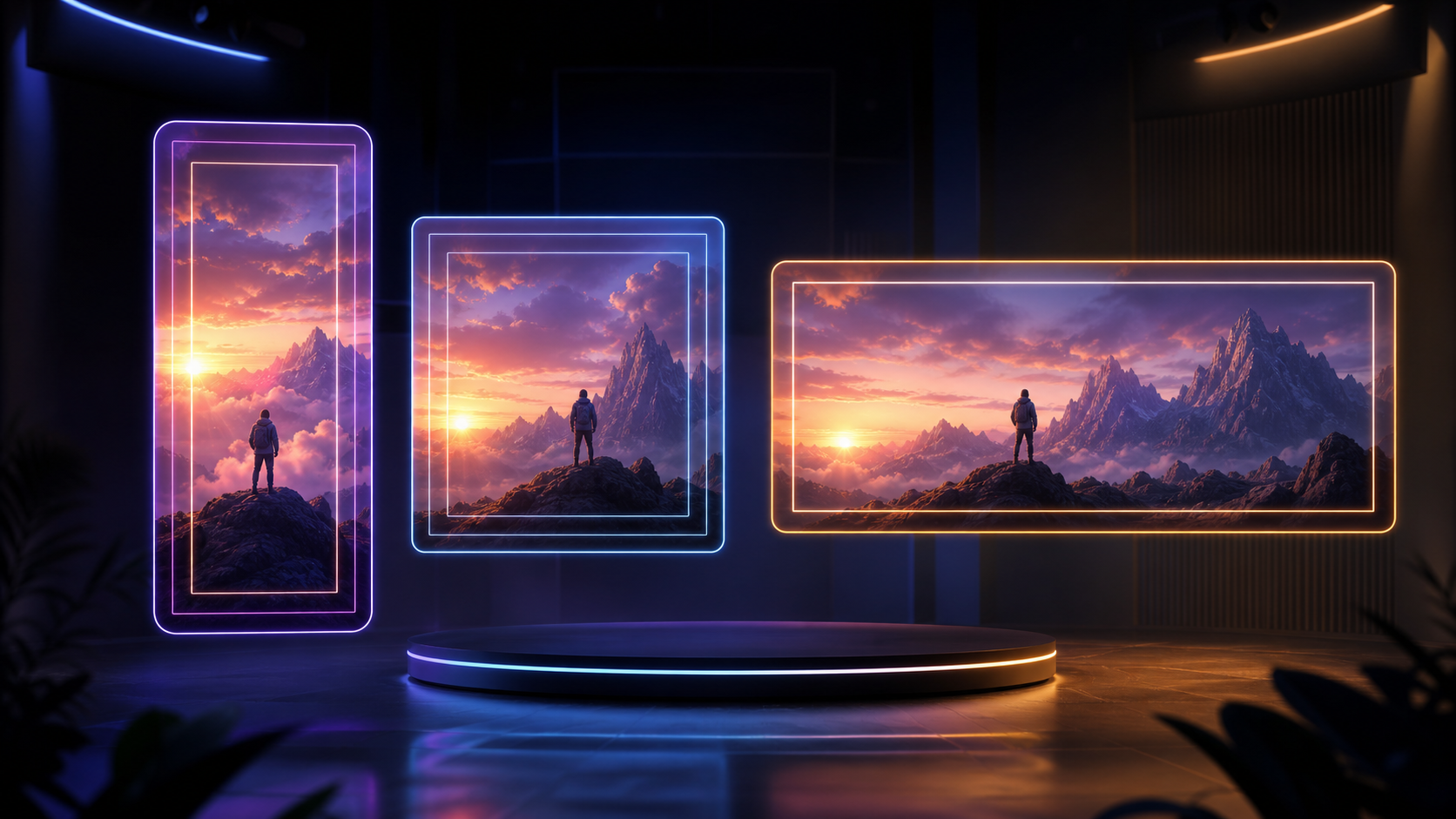
Plan 9:16, 4:5, 1:1, and 16:9 AI videos that keep subjects, captions, and calls to action visible after publishing.
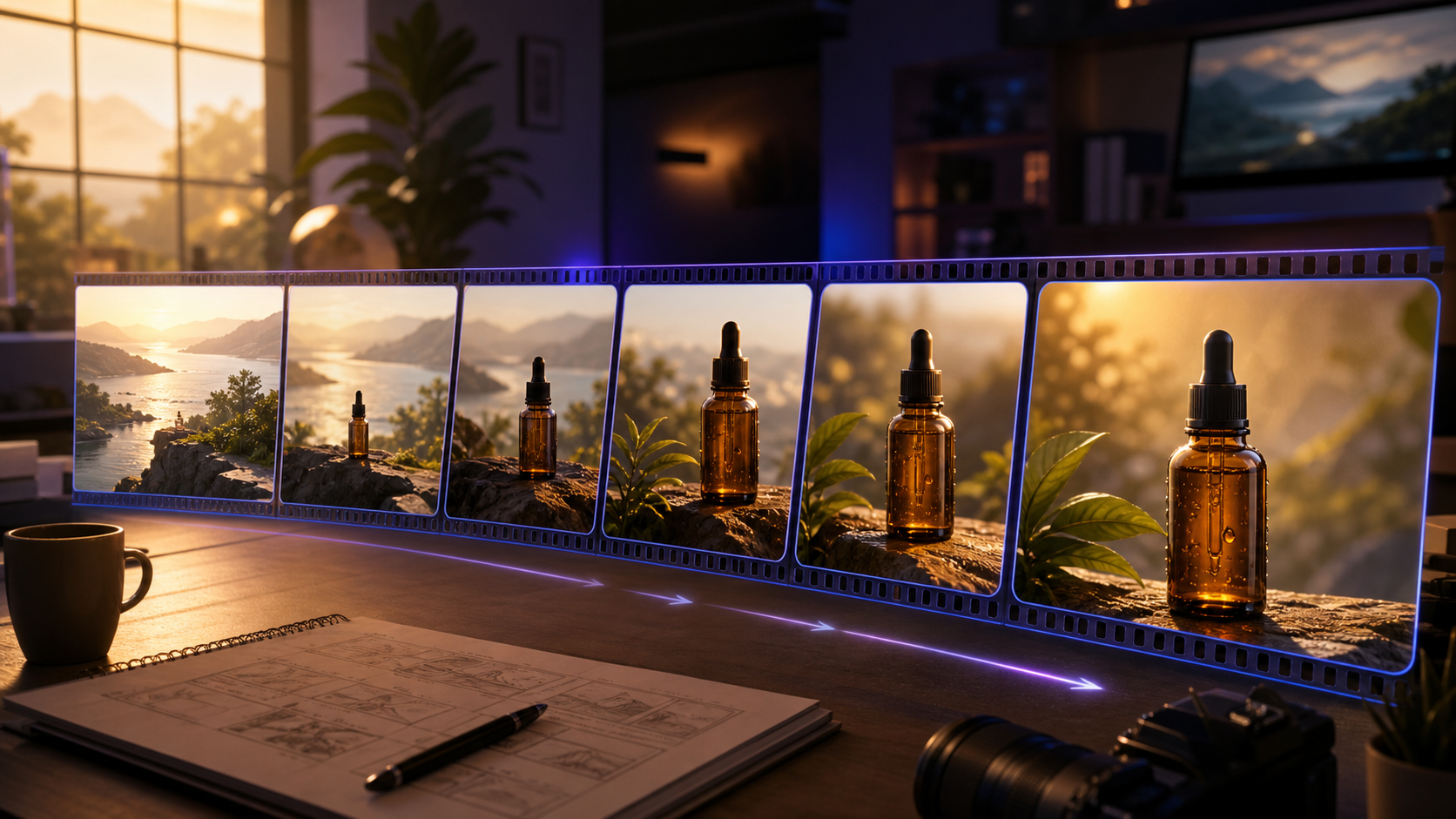
Build a coherent AI video from still images with a six-shot template, continuity rules, prompt cards, versioning, and practical QA.
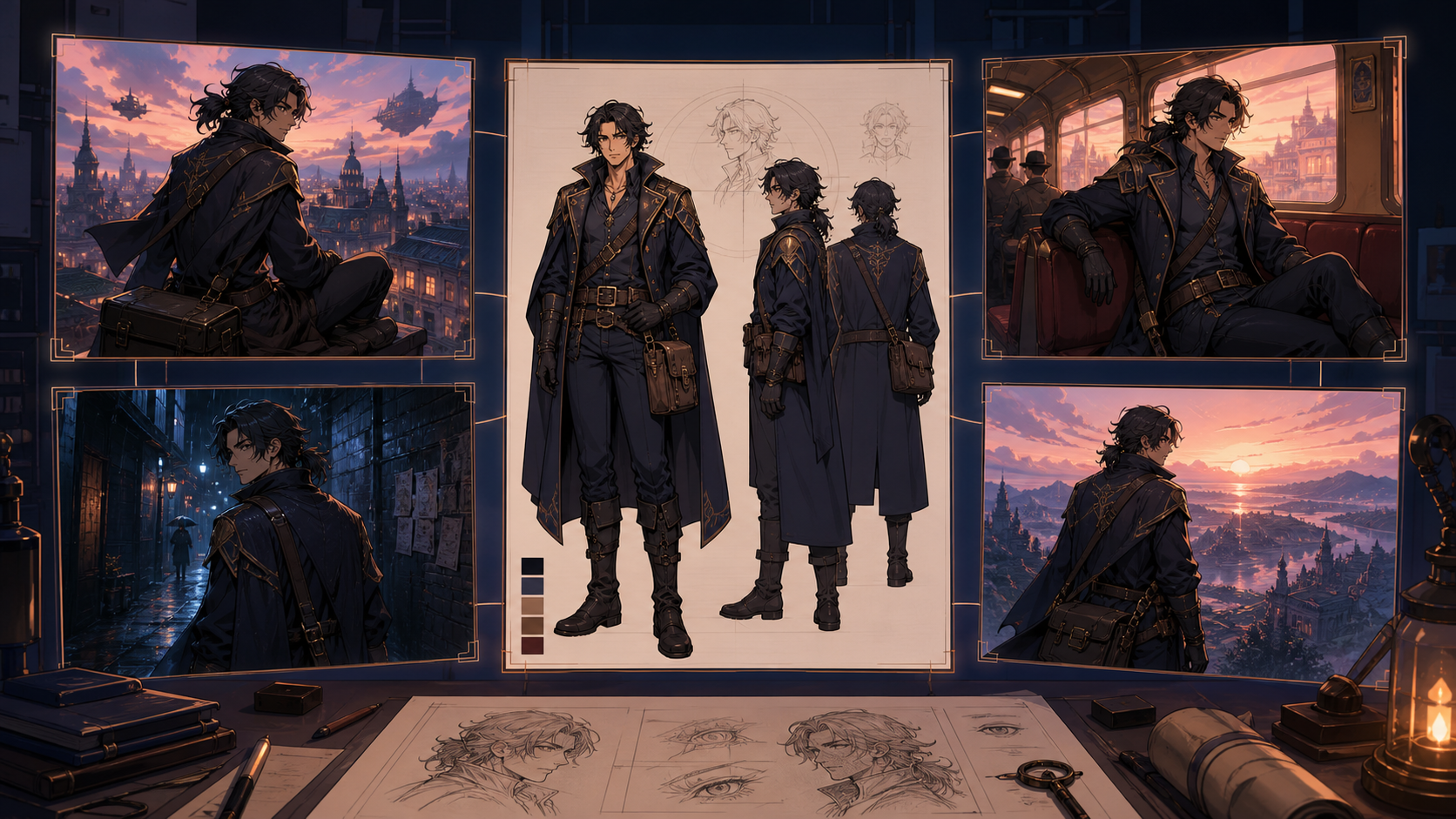
A practical anime AI generator workflow for keeping faces, hair, outfits, props, colors, and locations consistent across images, comics, and video.
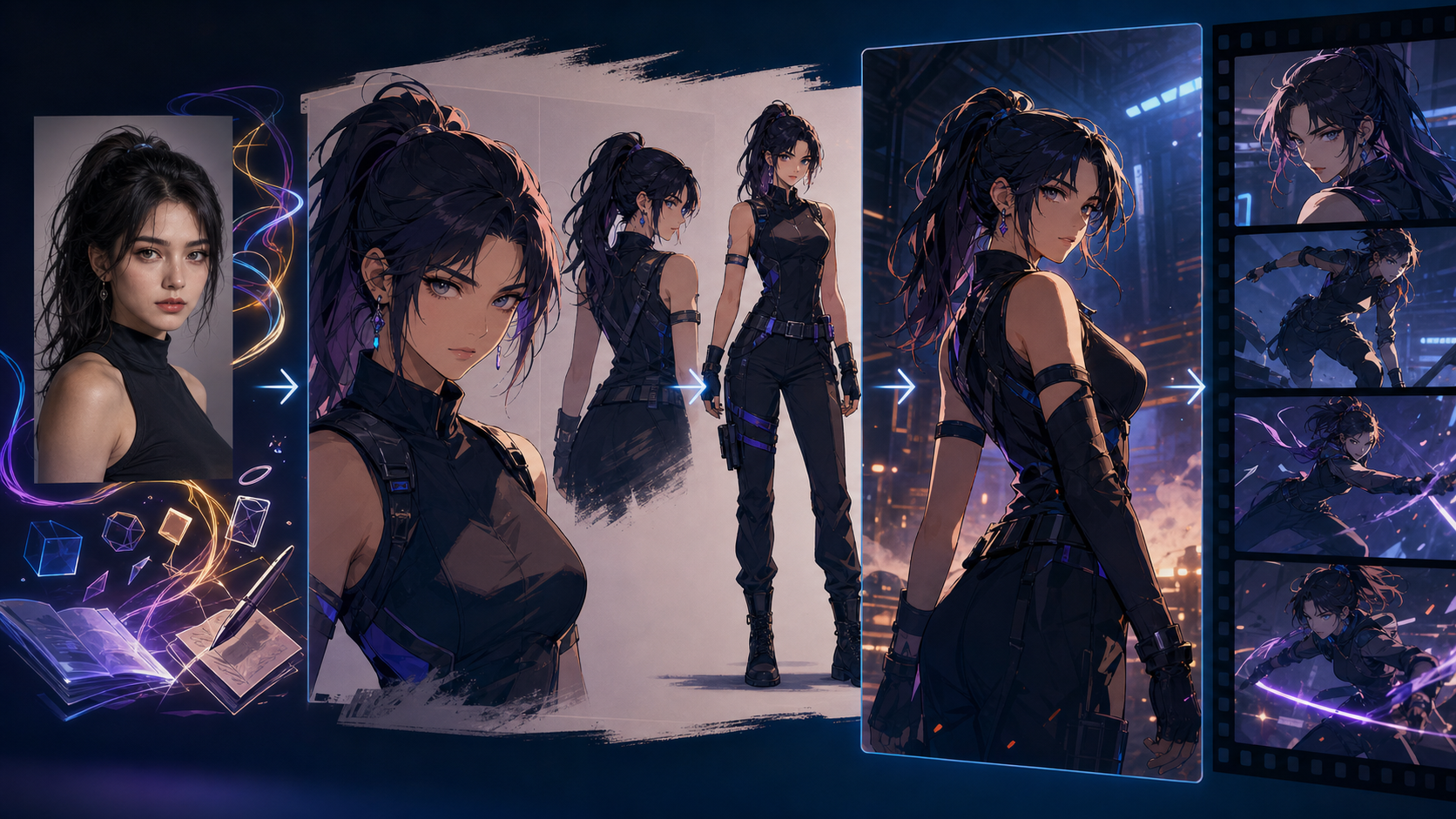
Choose the best AI anime generator for text prompts and photo-to-anime art with a practical 2026 comparison of workflow, consistency, control, rights, and cost.
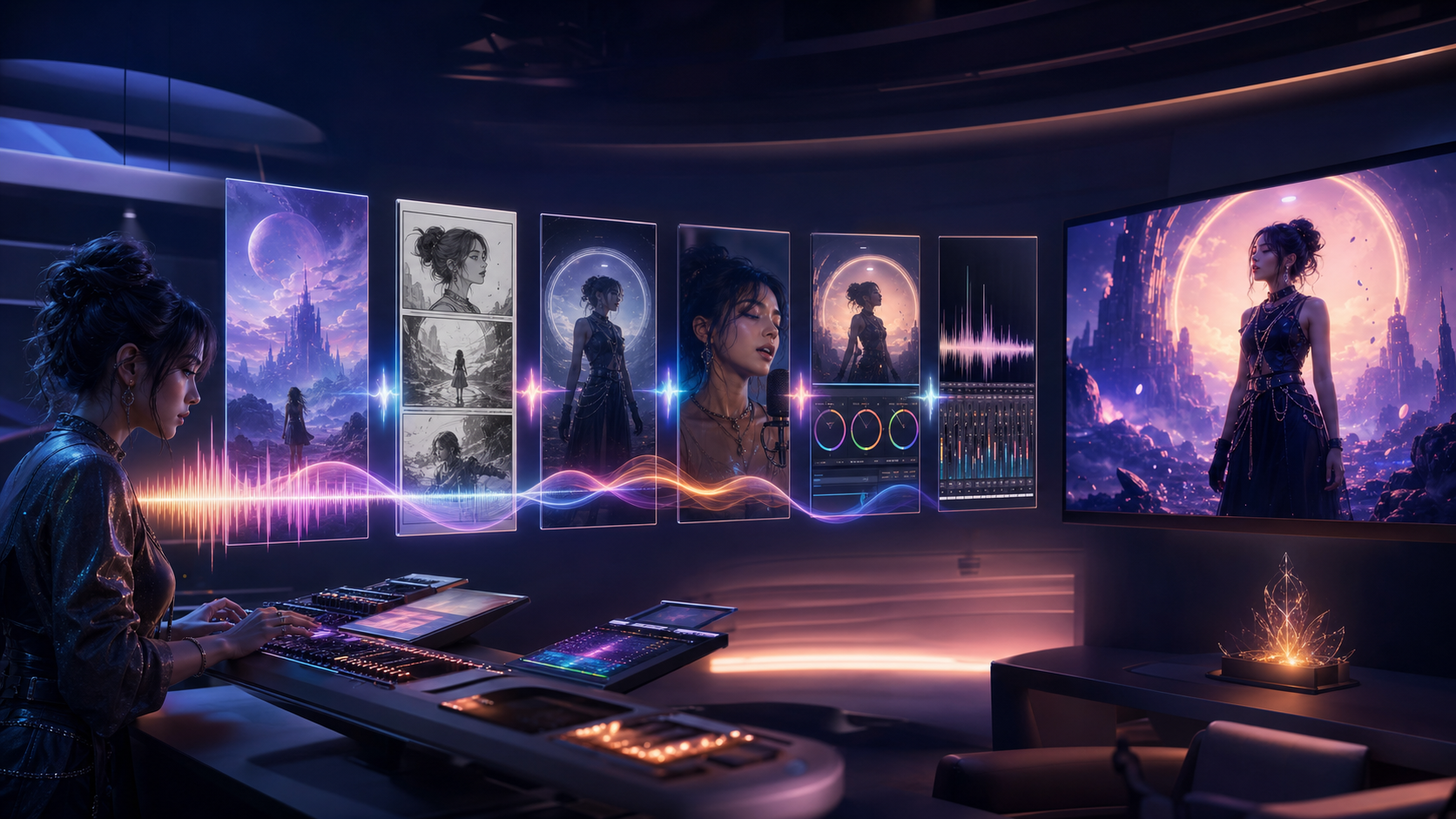
Build a directed pipeline for music, storyboards, cinematic shots, lip sync, editing, sound, and rights review.
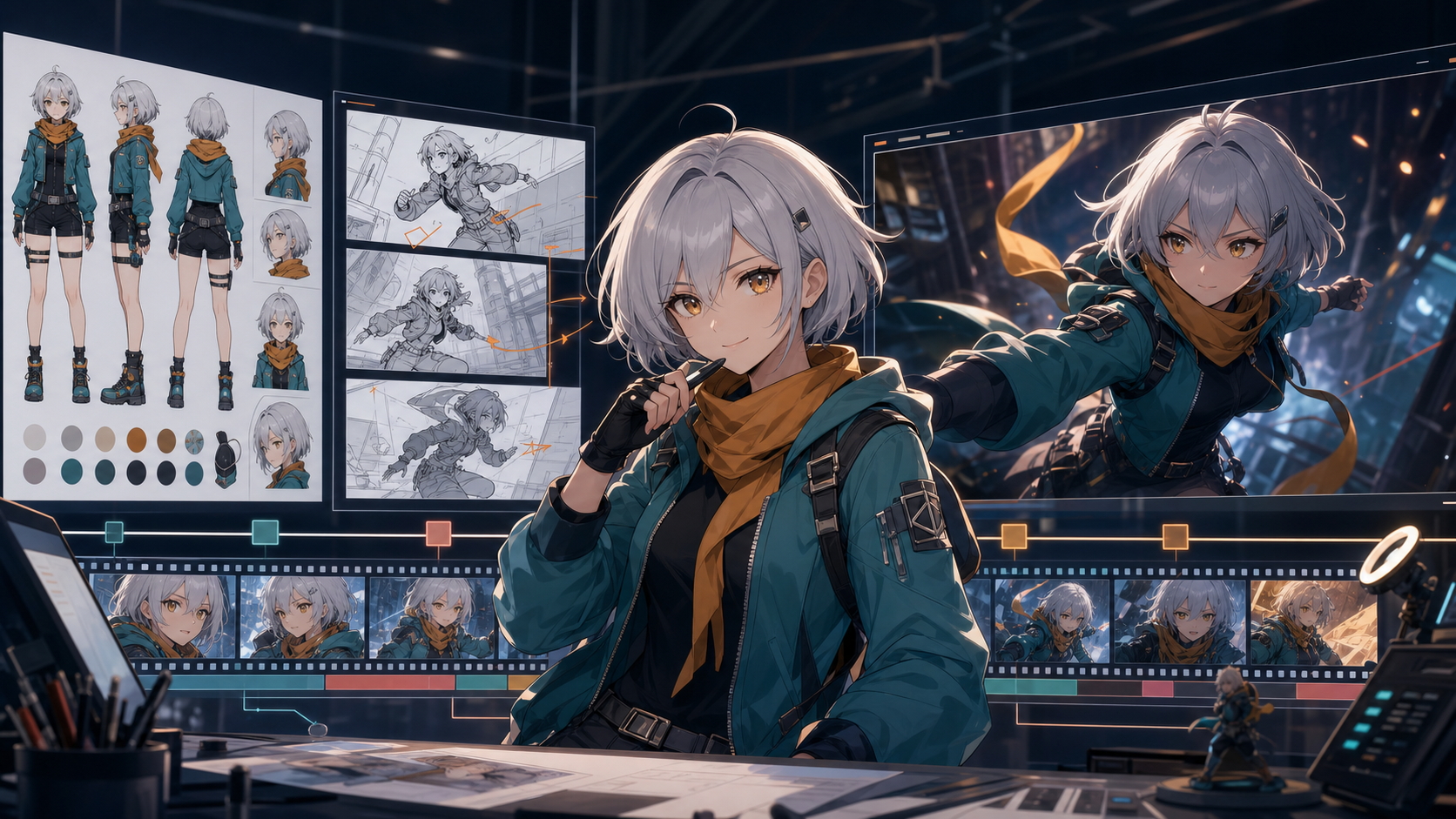
Compare leading anime video workflows by character consistency, motion control, audio, revision cost, and production fit.
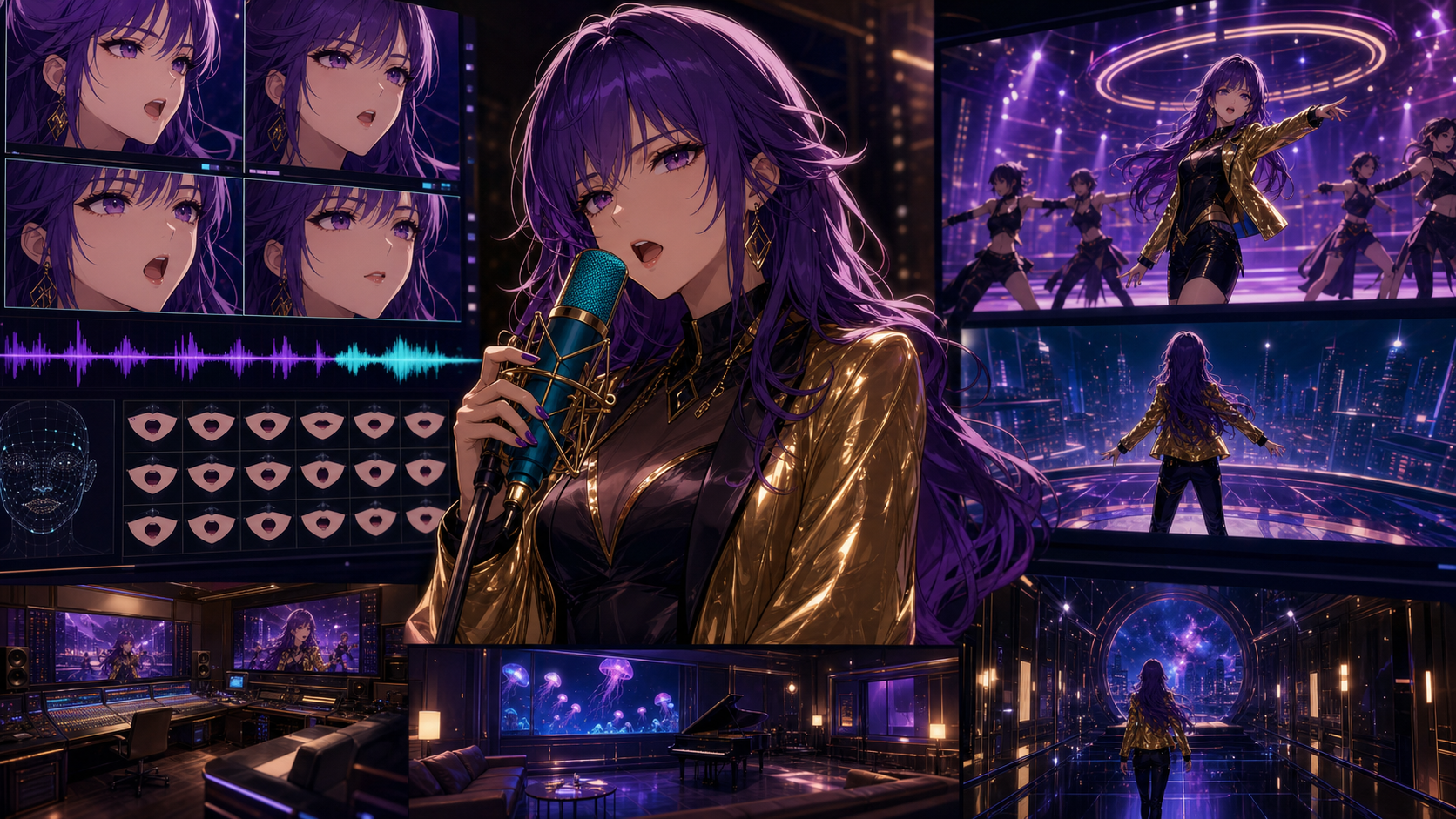
Compare specialist lip-sync tools and cinematic video models, then build a reliable anime performance workflow shot by shot.
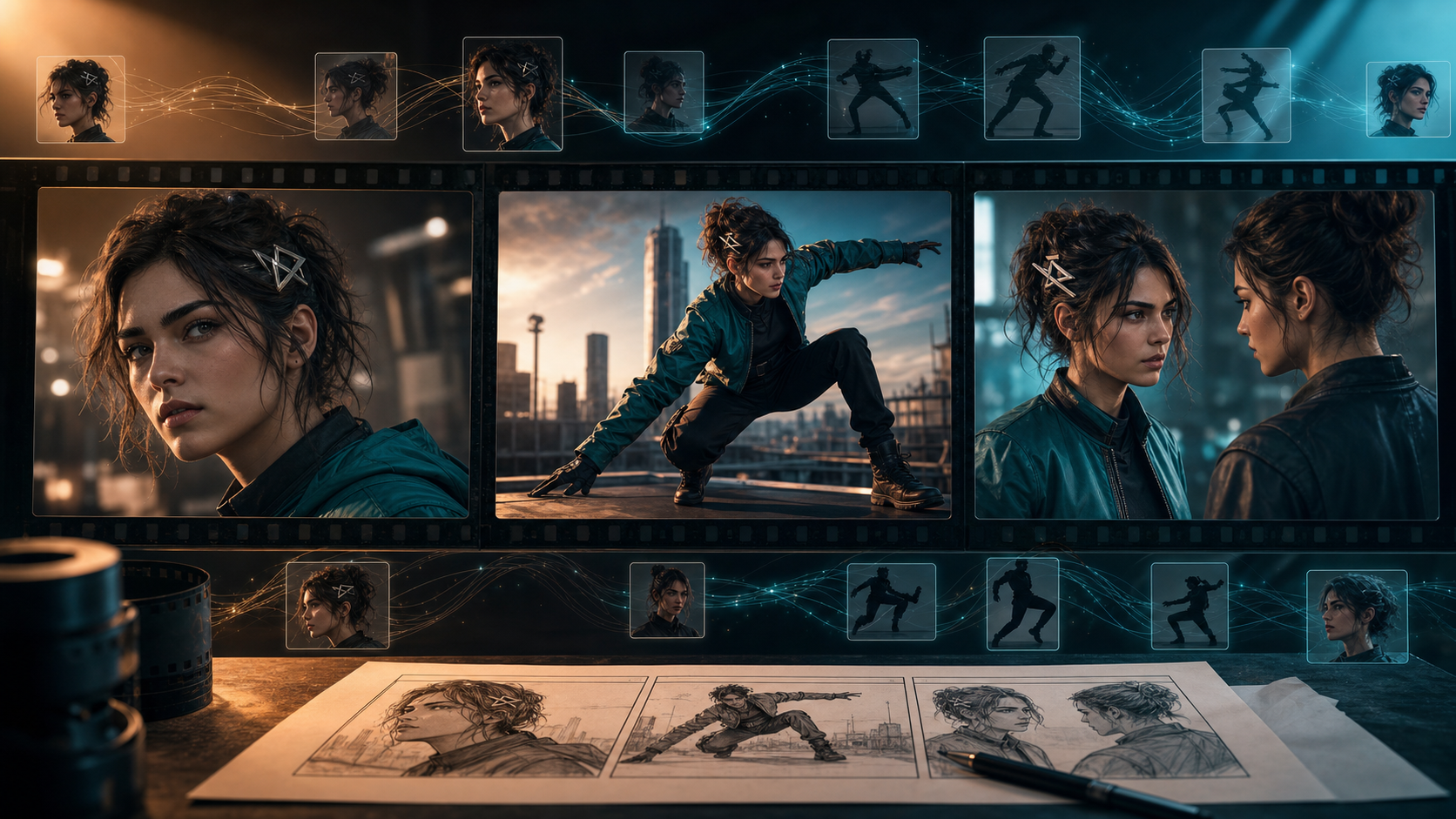
Compare Kling 3.0, Seedance 2.0, Veo 3.1, Runway Gen-4.5, and Luma Ray3.2 with a repeatable character-consistency test.
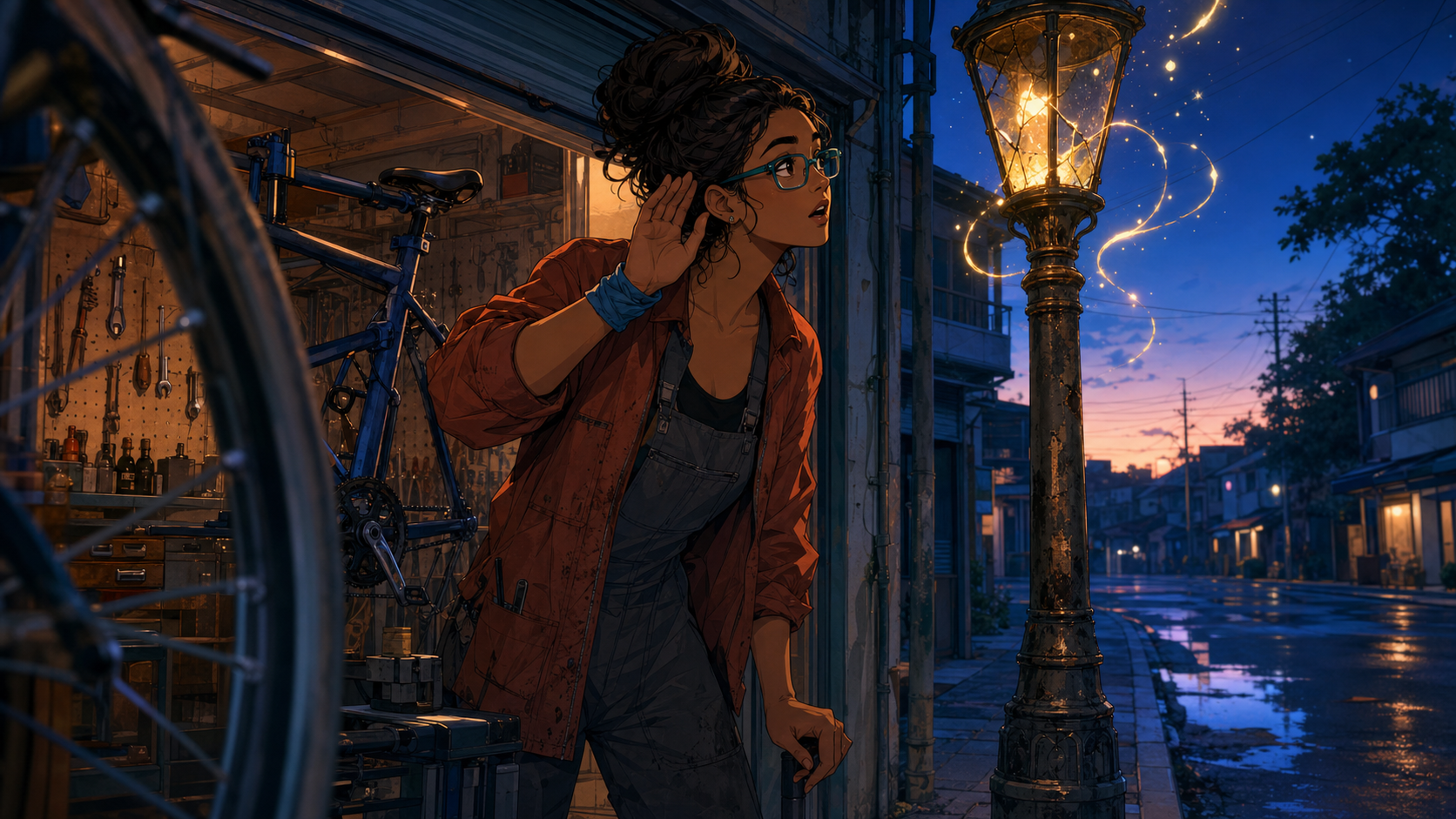
Choose a beginner-friendly anime maker and follow a low-stress workflow from a rough character idea to a finished, story-ready anime scene.
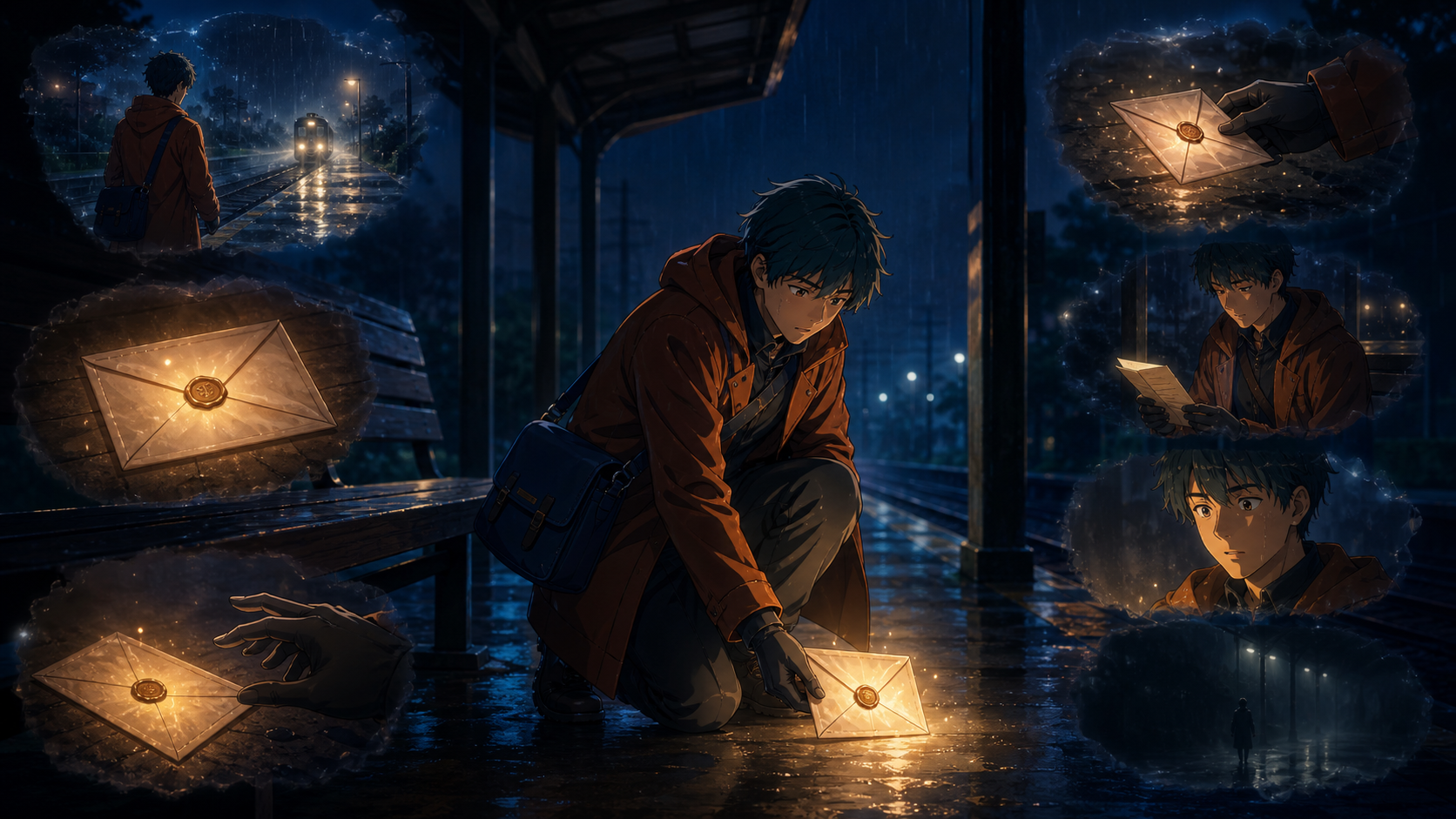
Compare free anime video workflows and finish a practical 30-second project with one character, six shots, and a clean edit.
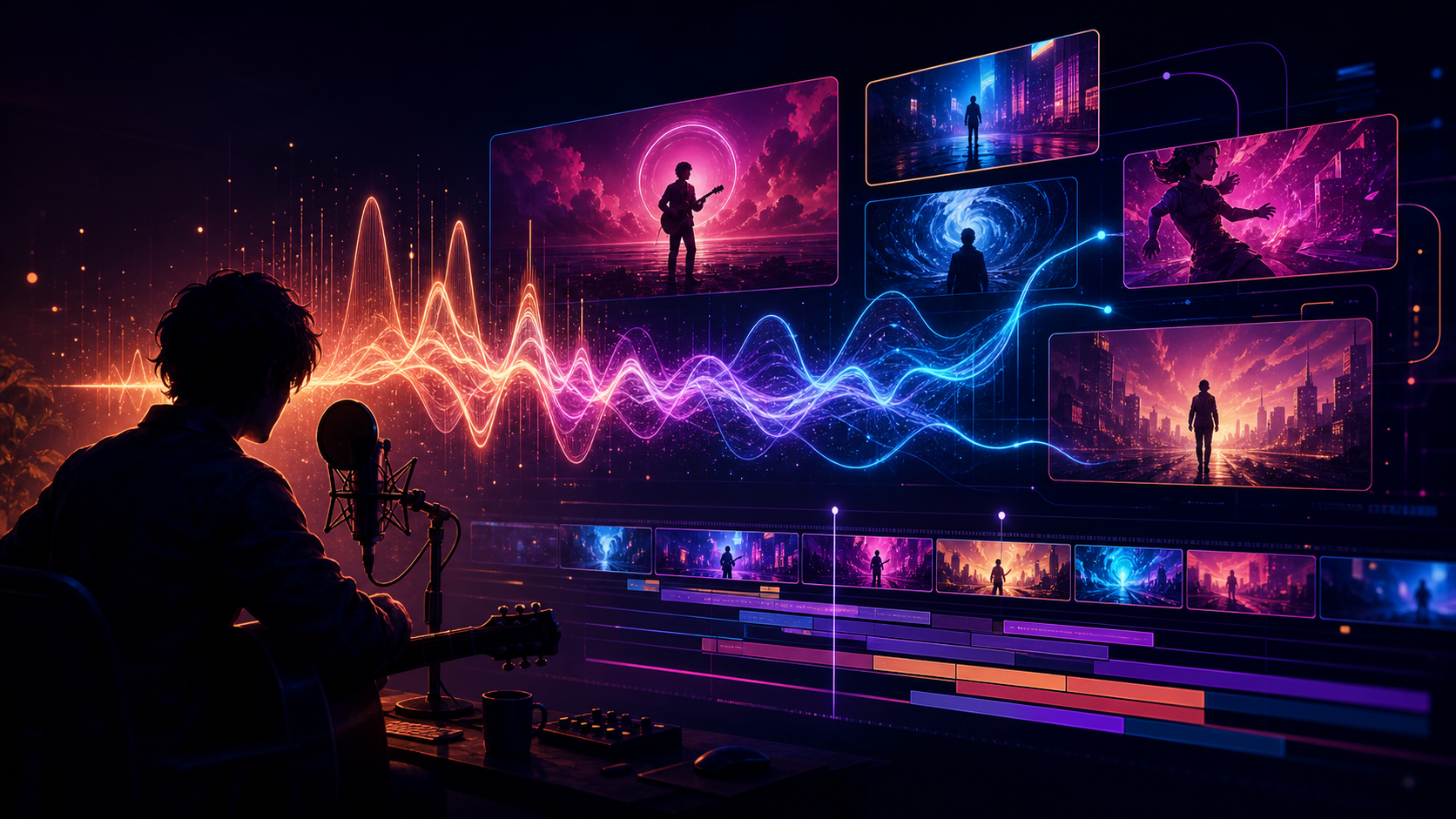
Compare free and free-to-try tools for music, cinematic clips, avatars, and editing, then build a visual story on a limited budget.
Compare 10 AI text-to-video tools with free plans, credits, or demos in 2026—and choose the right generator or assembler for your workflow.
Compare ten AI video and editing tools for vertical Reels, from prompt-based generation to captions, branded templates, and clip repurposing.
Compare professional editors, browser template makers, social apps, and AI video generators by workflow, watermark, export, and learning curve.
A candid 2026 DeepFake review for creators comparing anime art, comics, storyboards, and video workflows—plus limits, licensing checks, and who it suits.
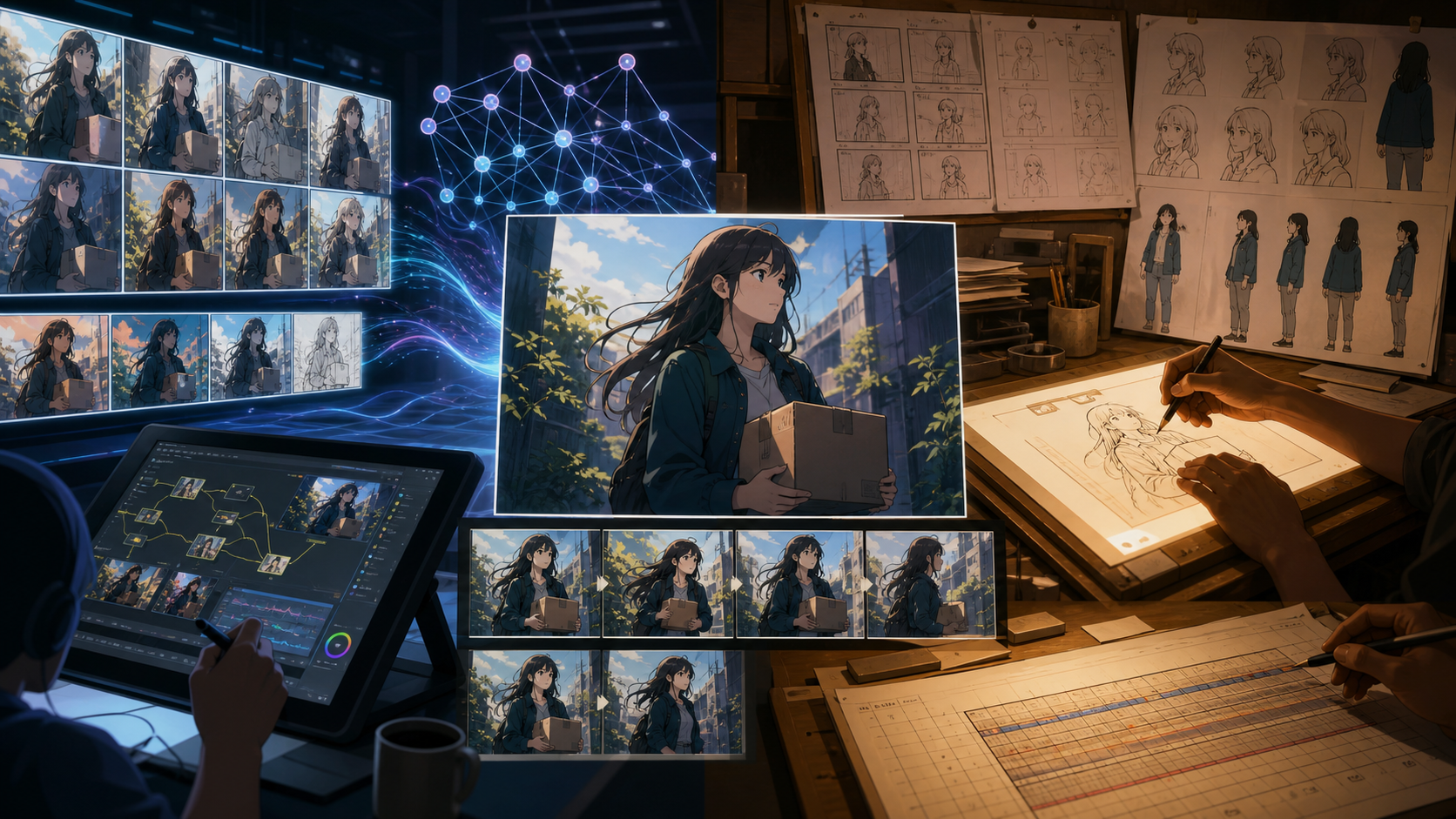
Compare DeepFake with traditional anime production by stage, from script and character design to storyboards, animation, audio, revisions, and delivery.

Plan cleaner entrances, animate still images, control camera motion, and export polished fly-in clips for social and brand work.
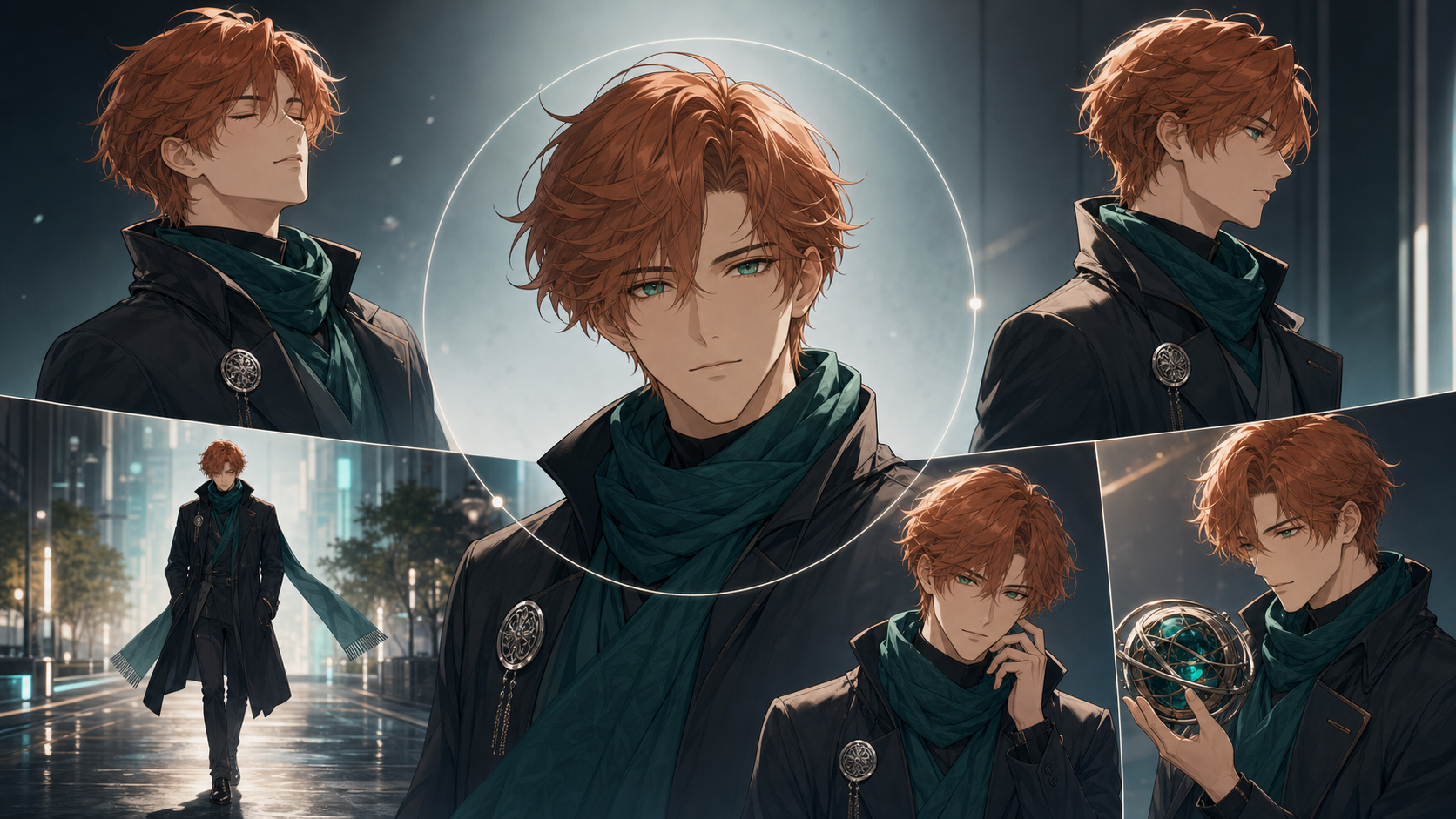
Test recurring characters with stronger references, restrained motion, five practical shots, and repair-friendly editing workflows.
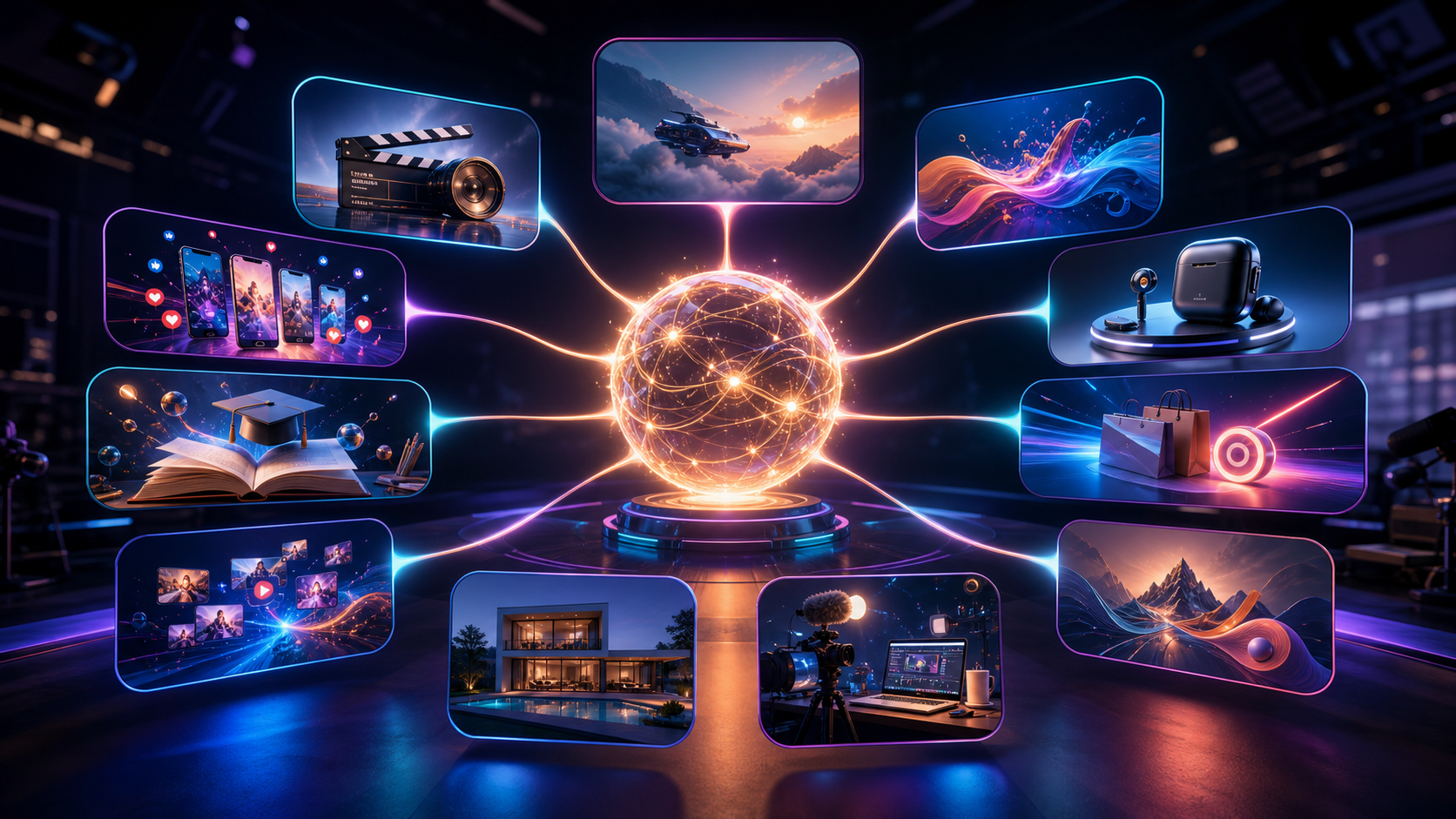
See how teams use generative AI for video, social, product, training, ads, repurposing, real estate, creators, and brand stories.
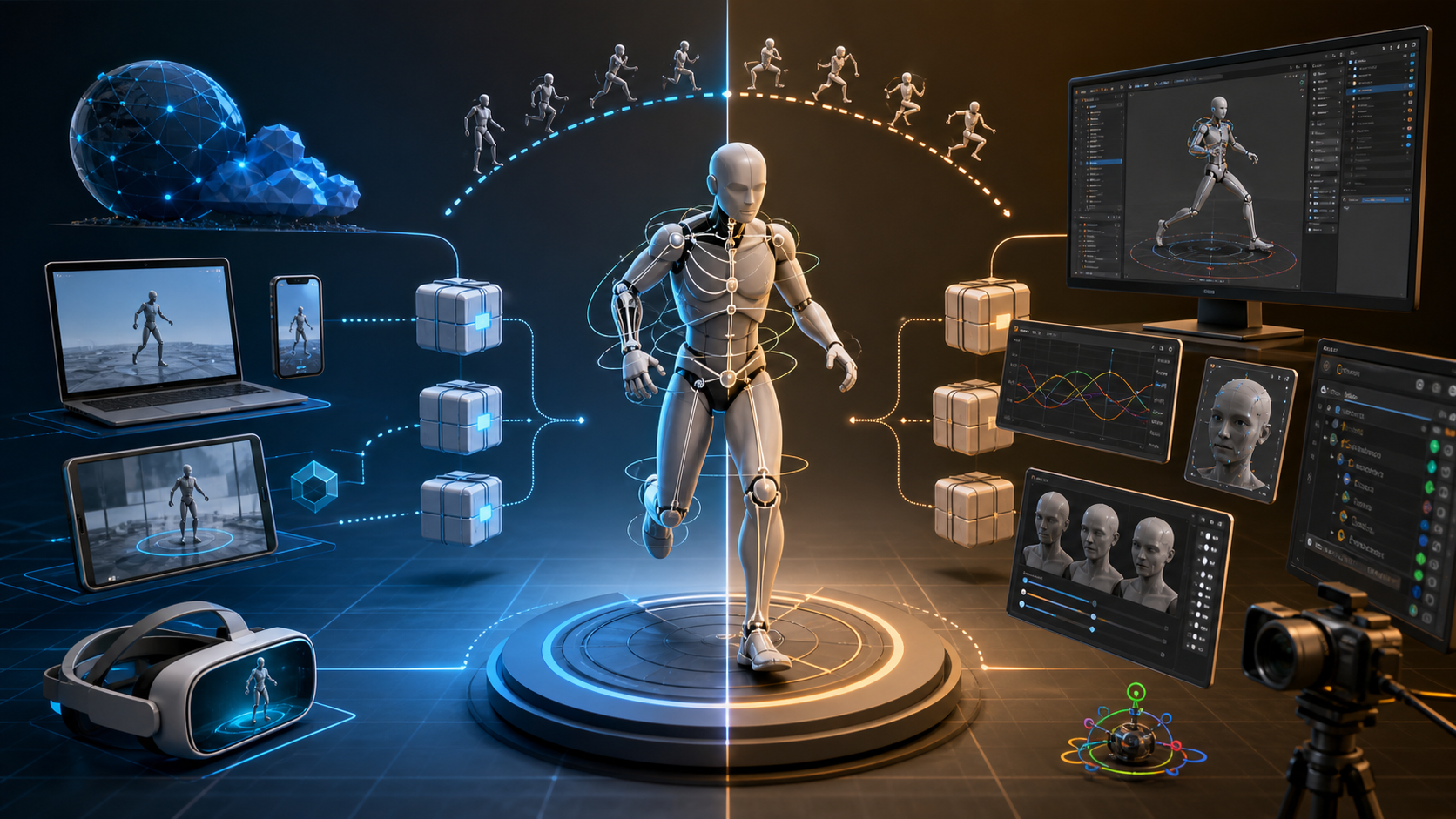
Compare GLB and FBX for web delivery, AR, VR, game engines, DCC pipelines, skeletal animation, materials, compression, and motion capture exports.
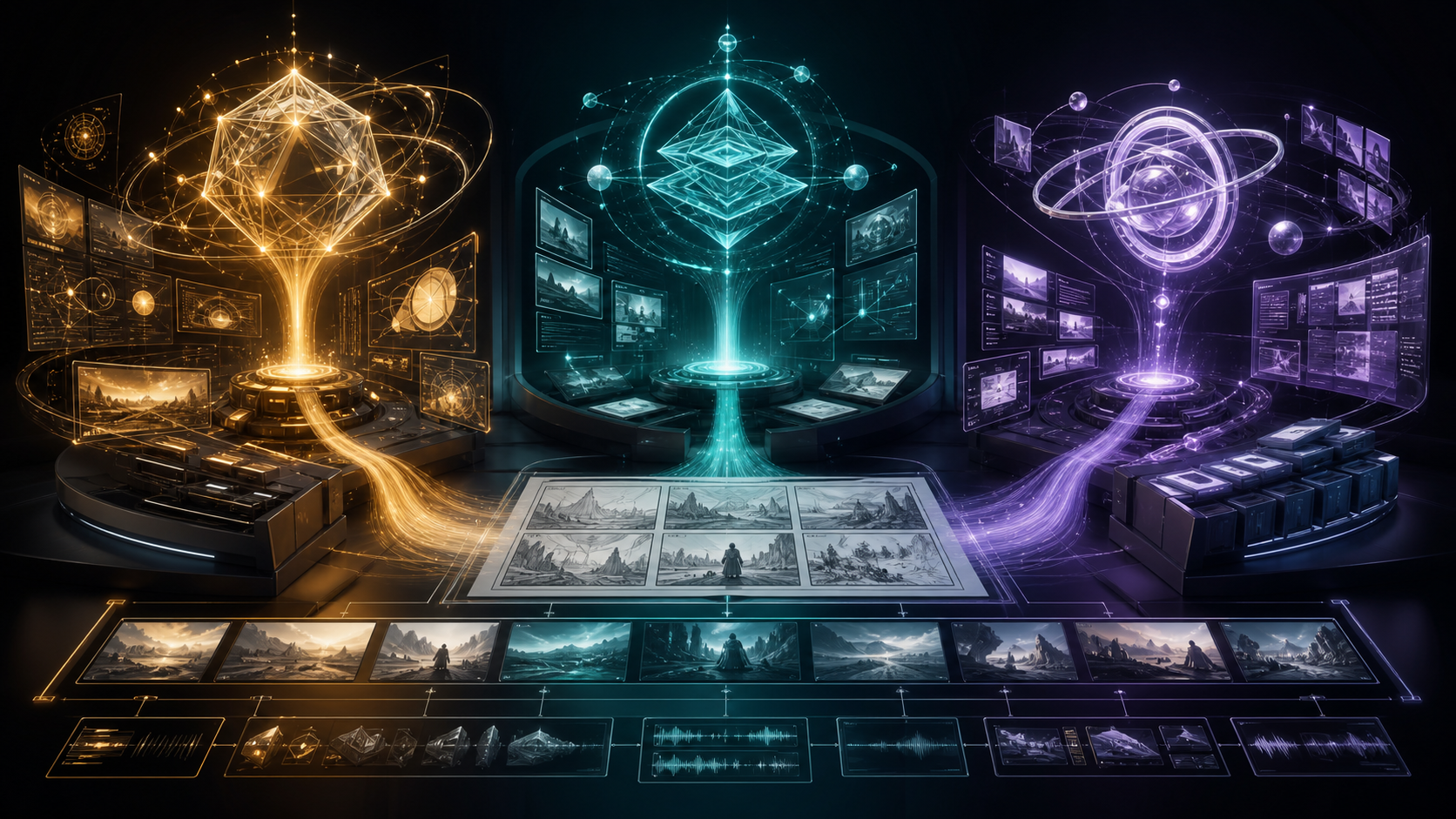
A practical guide to choosing the right GPT-5.6 model for scripts, storyboards, prompts, continuity, production planning, and high-volume video operations.

A plain-language explanation of prompt filters, image classifiers, hash matching, age and likeness signals, human review, appeals, and moderation limits.
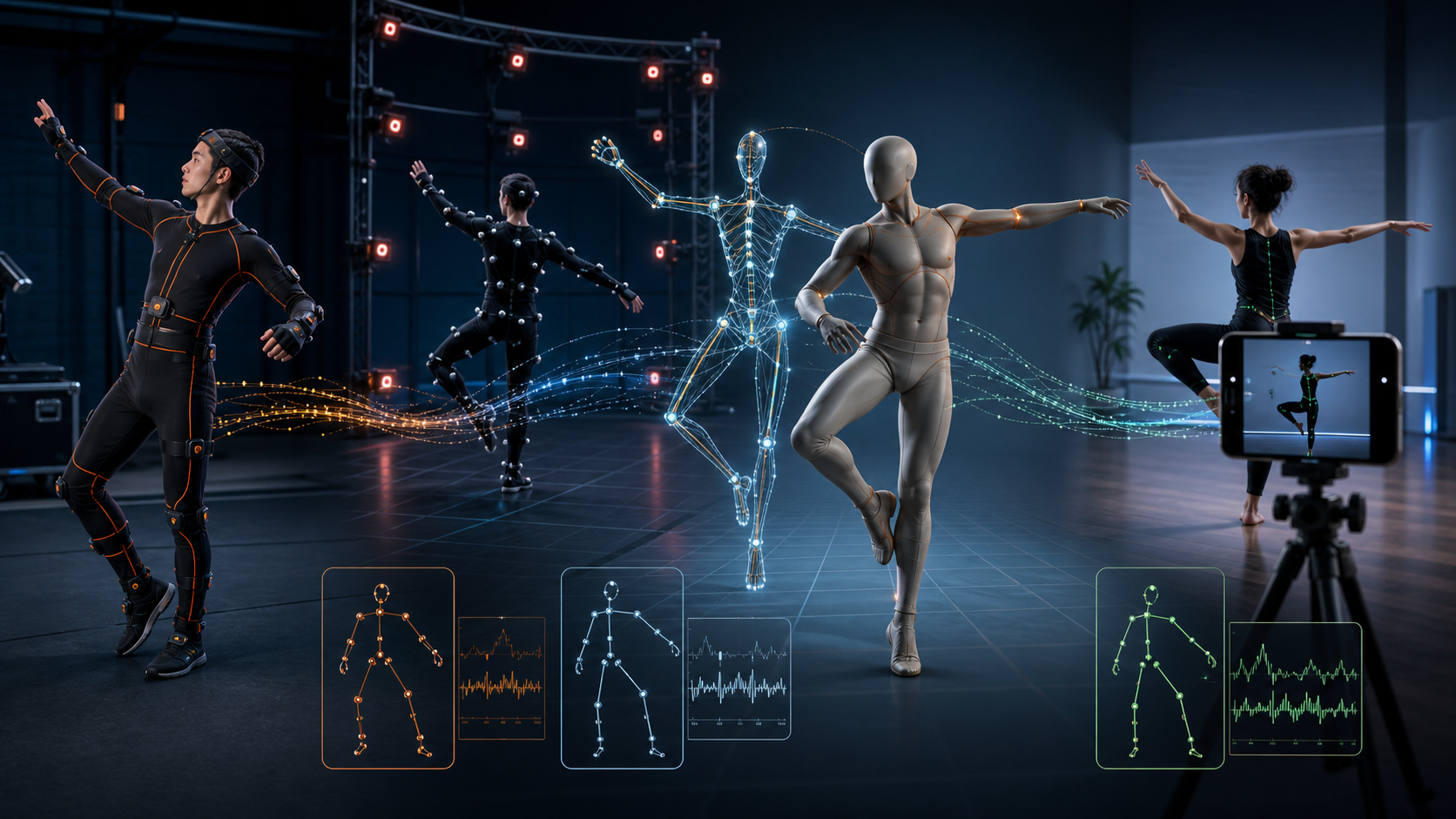
Learn how inertial and optical motion-capture suits work, what setup and cleanup involve, who needs them, and when markerless video capture is enough.
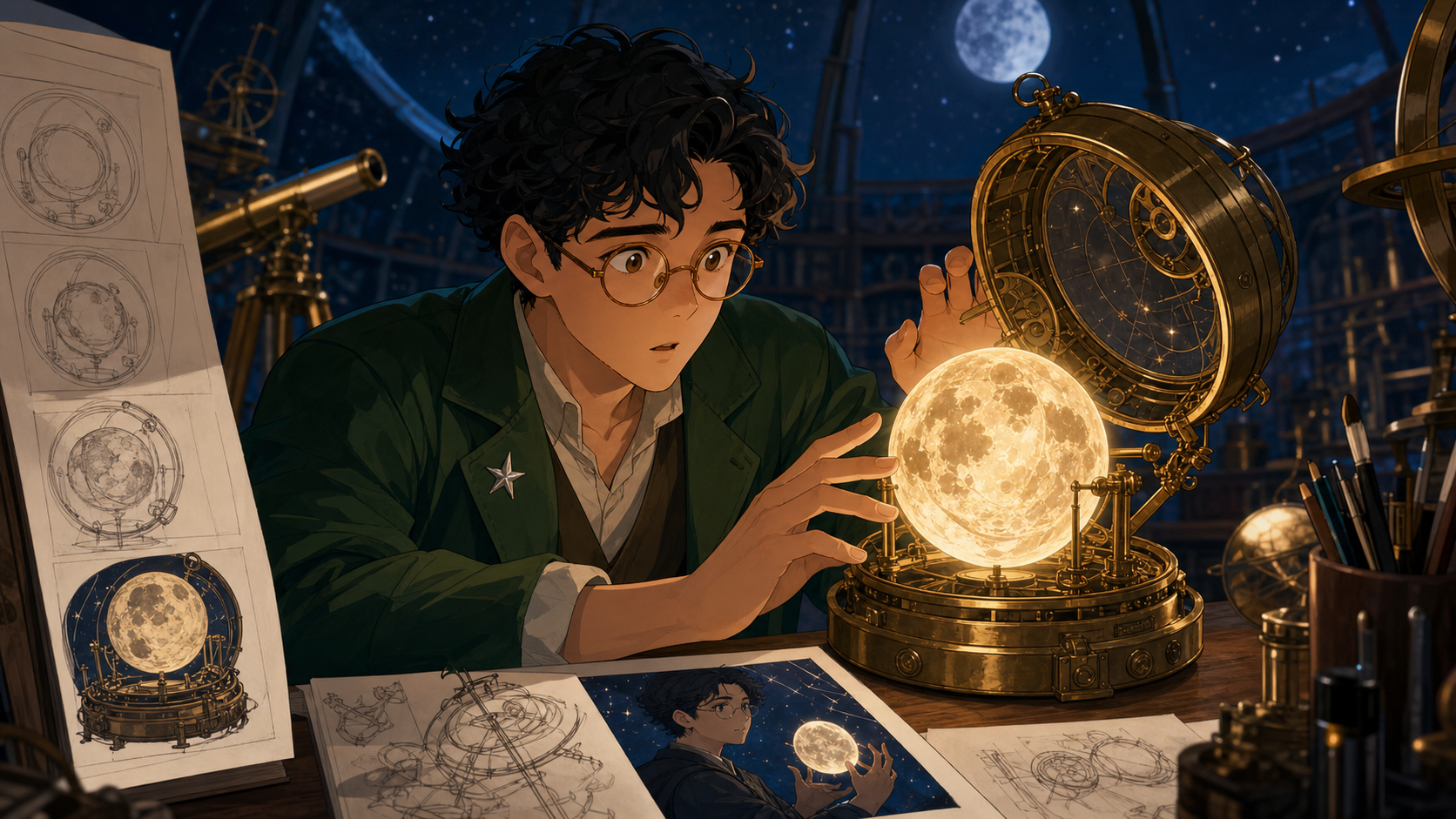
Make your first polished anime image with AI using a beginner-friendly workflow for ideas, prompts, composition, generation, editing, rights, and export.
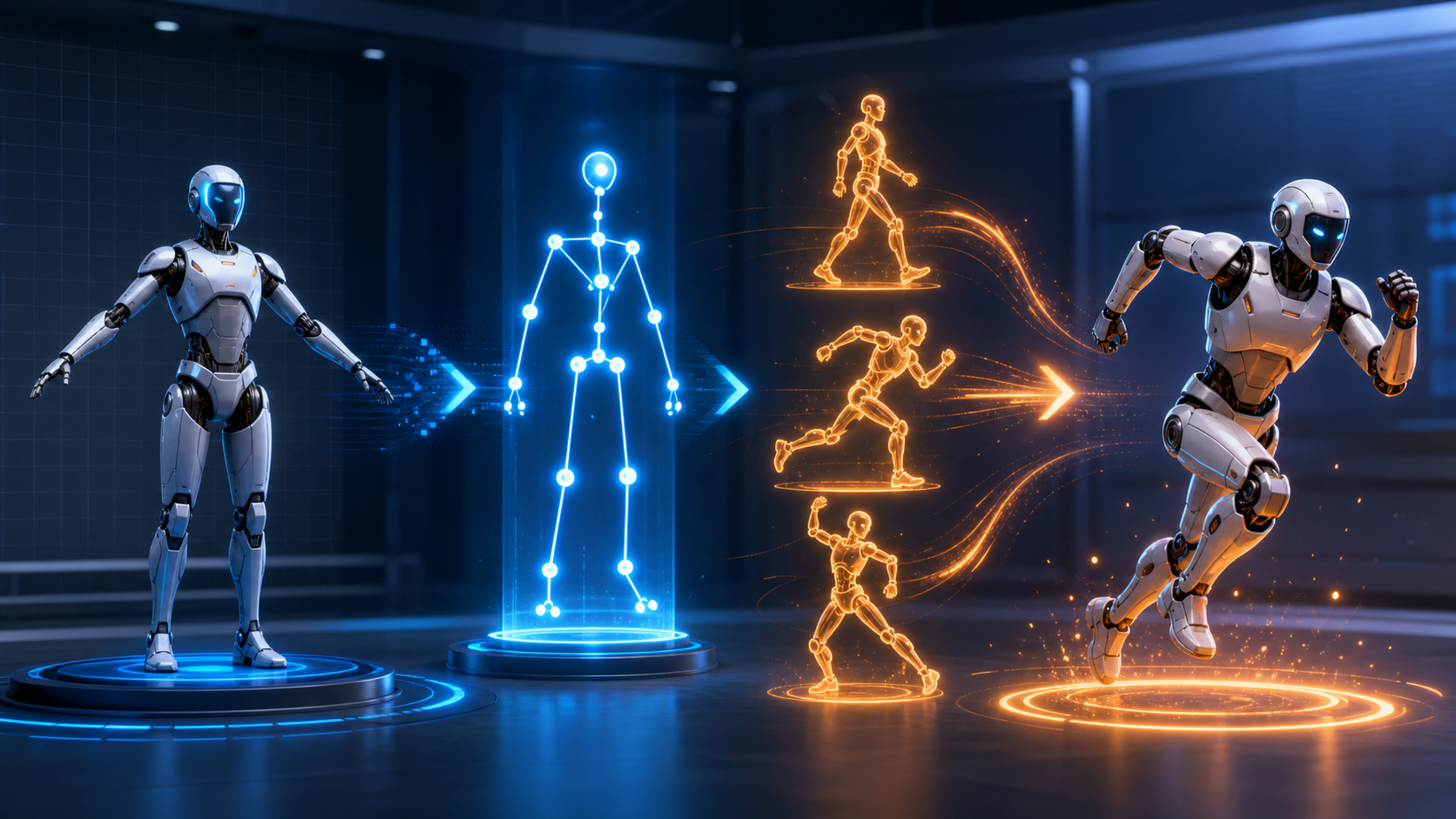
Upload a humanoid character, build a Mixamo rig, choose and tune motion, export FBX files, and retarget them in Blender, Unity, or Unreal.
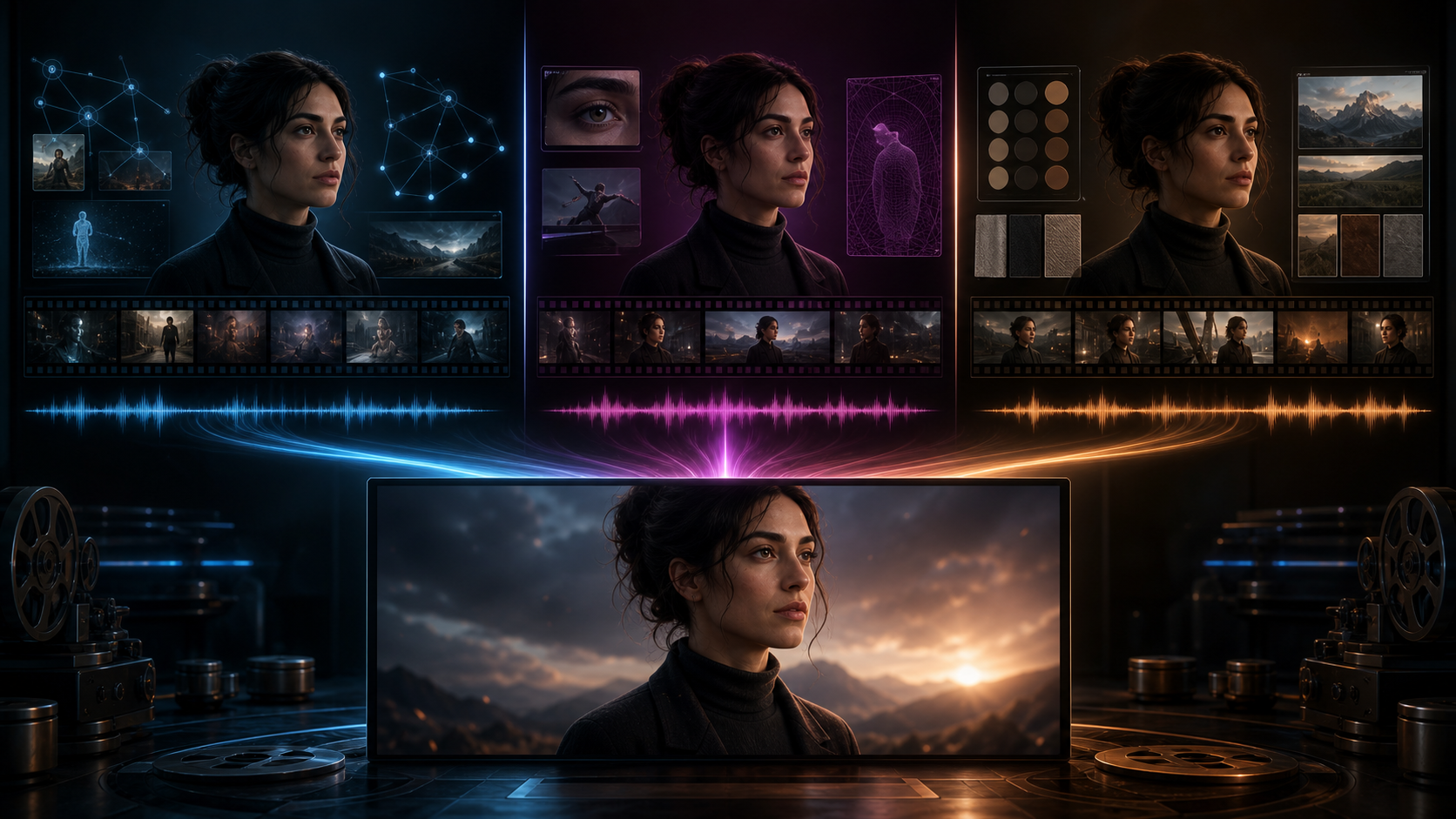
Compare three leading AI video models by reference control, motion stability, multi-character scenes, audio, anime, and usable-shot cost.
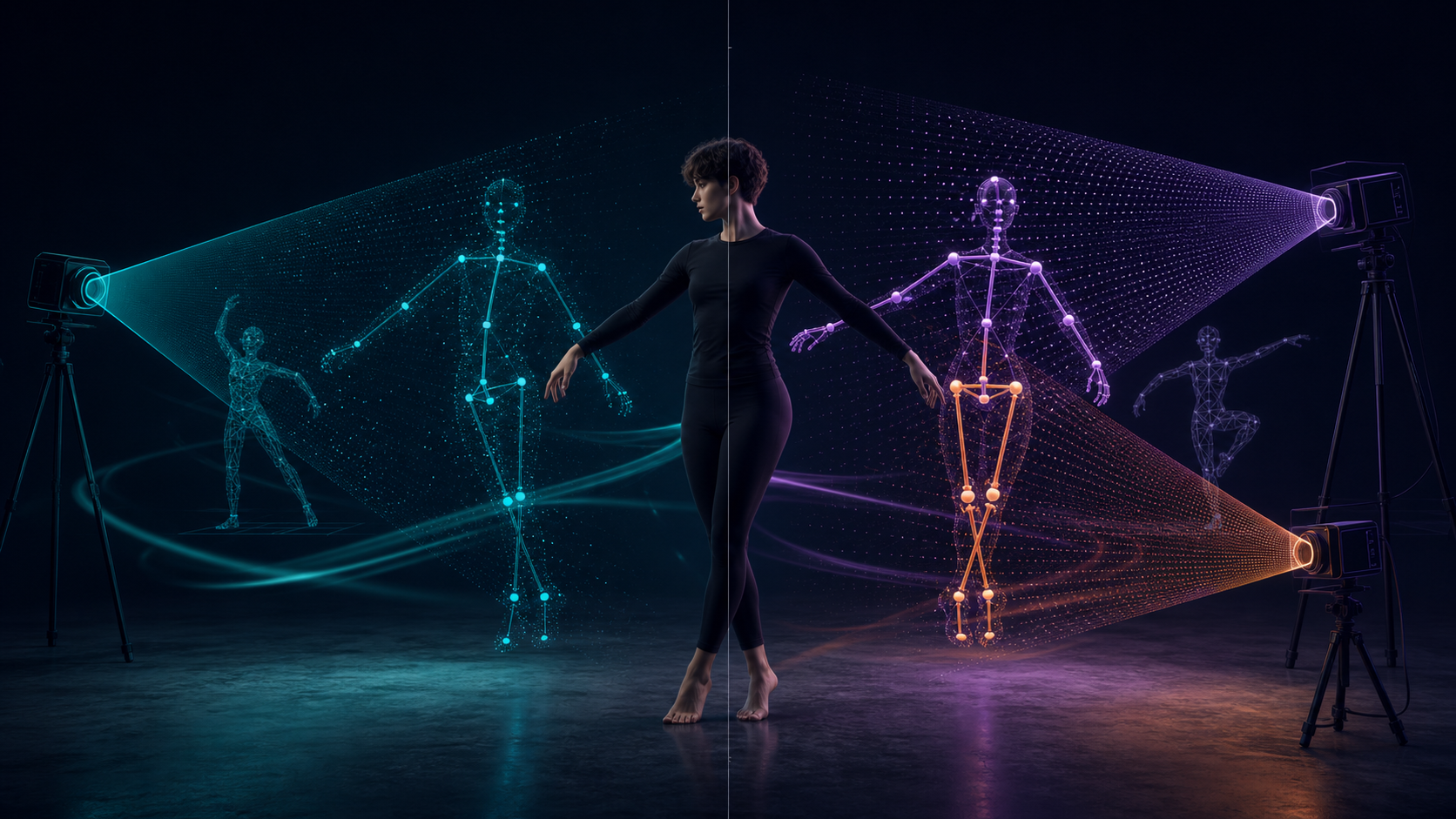
Compare clip limits, camera setups, skeletons, exports, retargeting, accuracy, and cleanup before choosing a video-to-3D motion workflow.
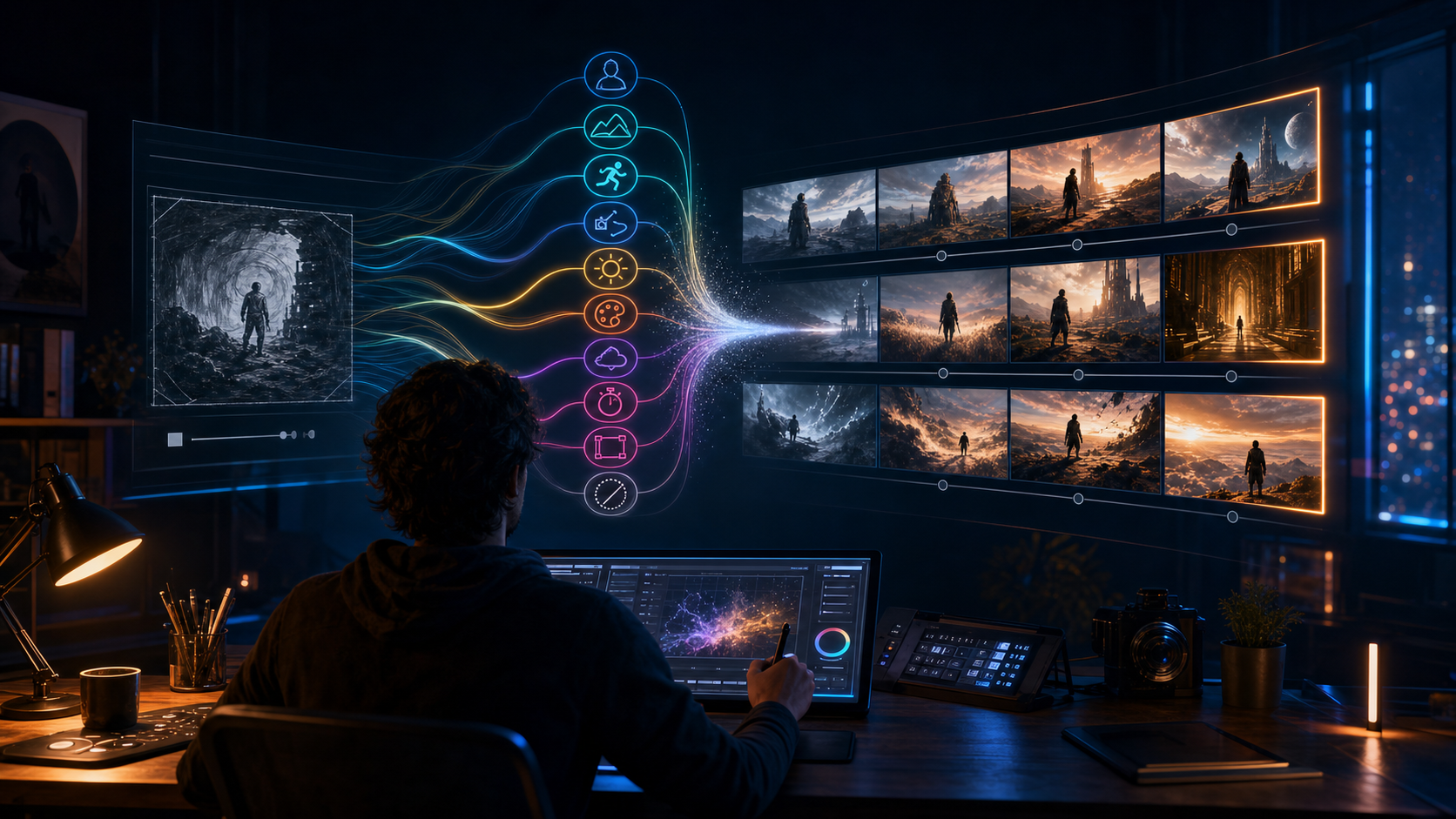
Write clearer generative video prompts with practical methods for visual detail, action, camera direction, style, format, iteration, and performance feedback.
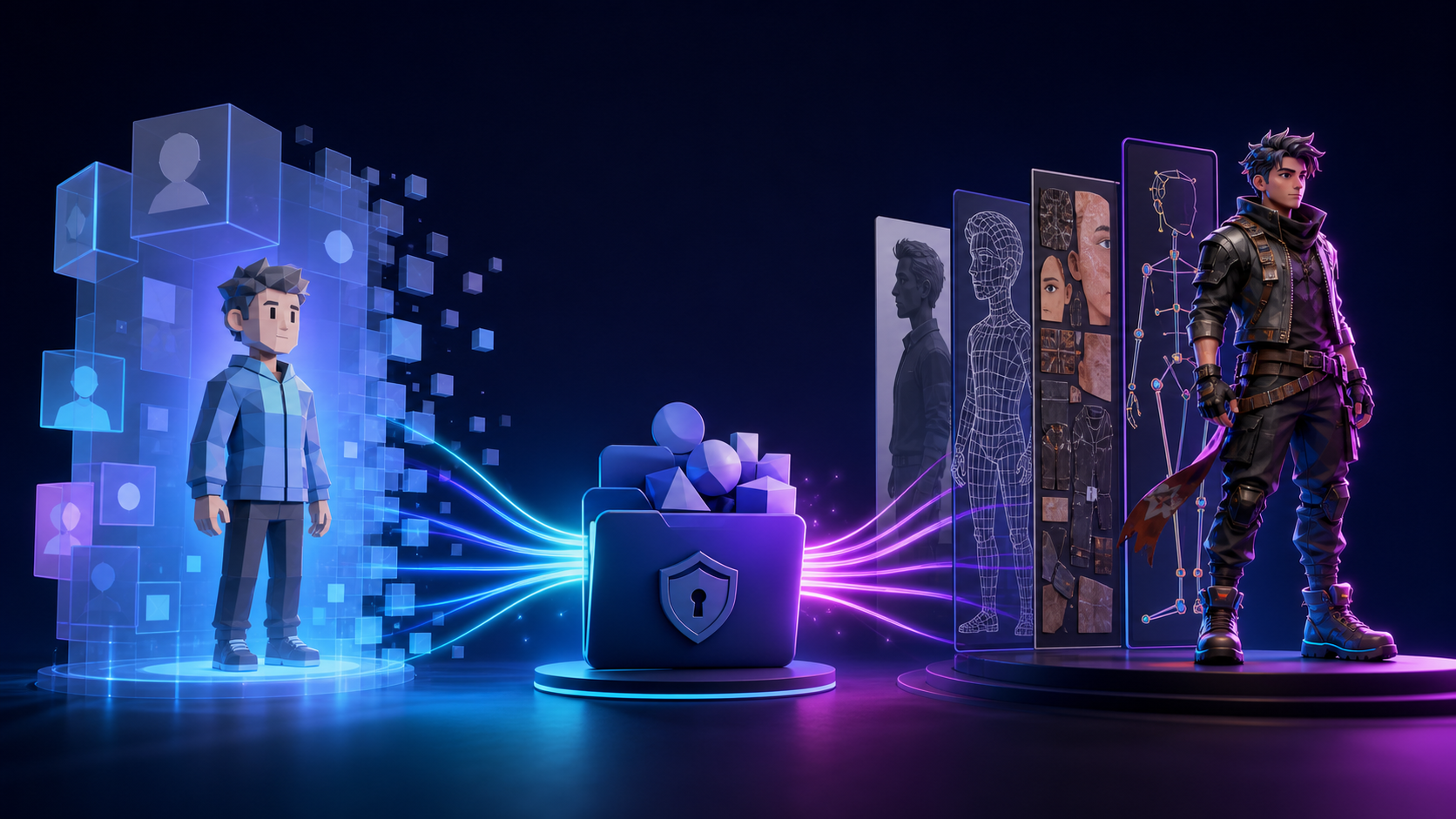
The public avatar service is gone, so compare its former portable identity model with a file-owned photo-to-3D character pipeline.
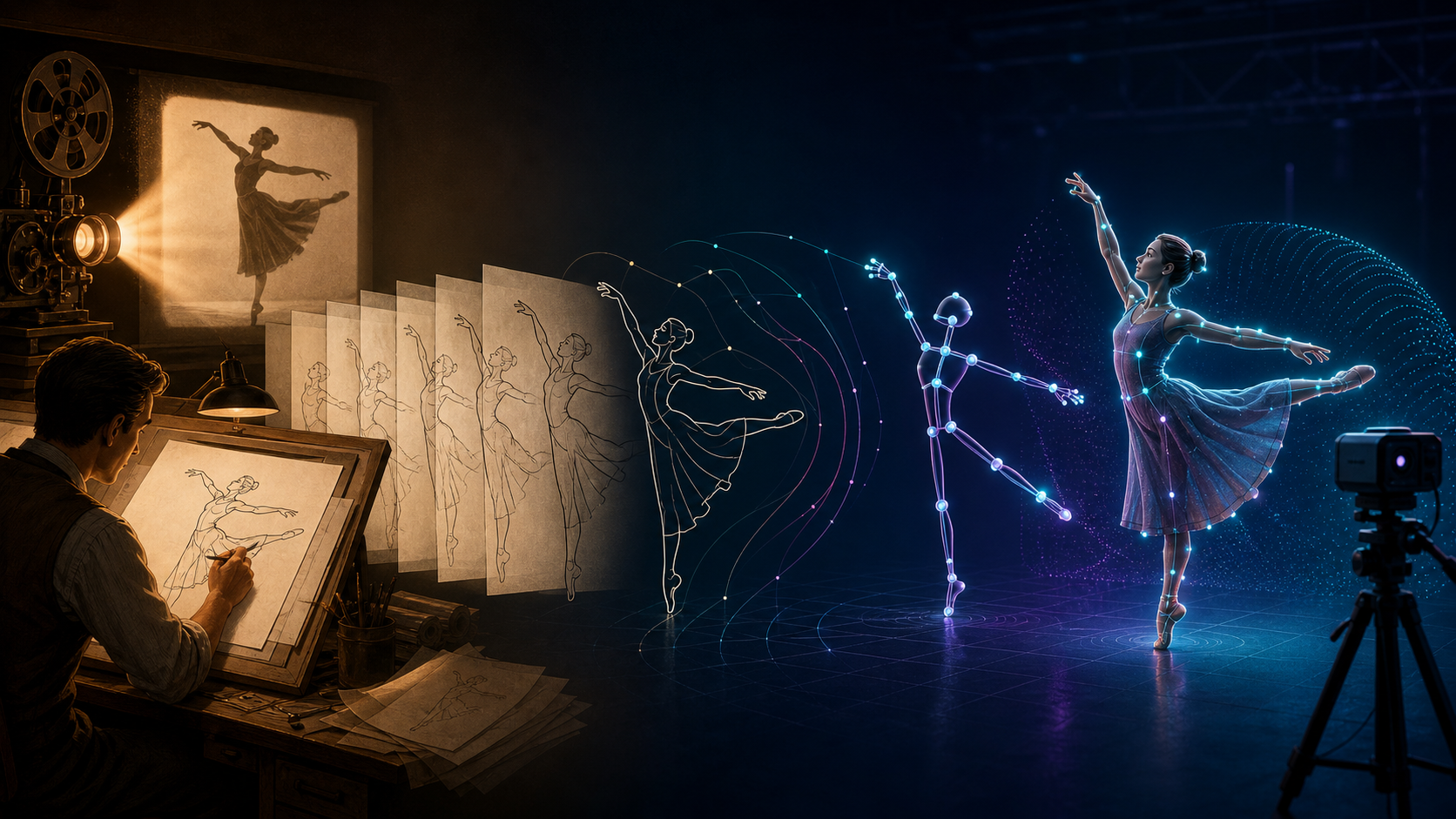
Learn how rotoscoping works, why it takes time, how it differs from motion capture, and which parts AI can—and cannot—replace.
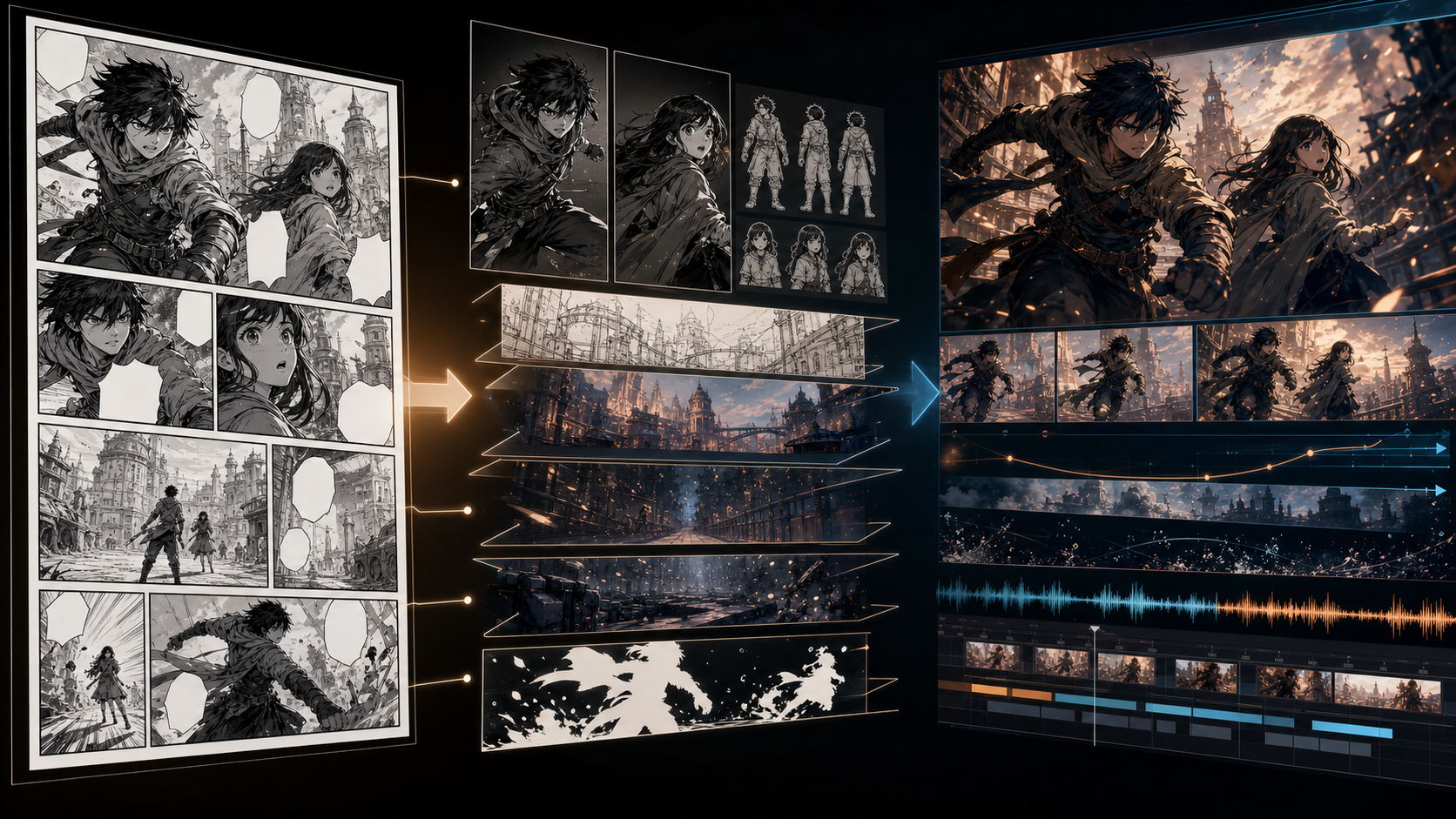
A practical panel-to-video workflow for cleaning artwork, preserving characters, building an animatic, generating motion, adding dialogue, and finishing the edit.
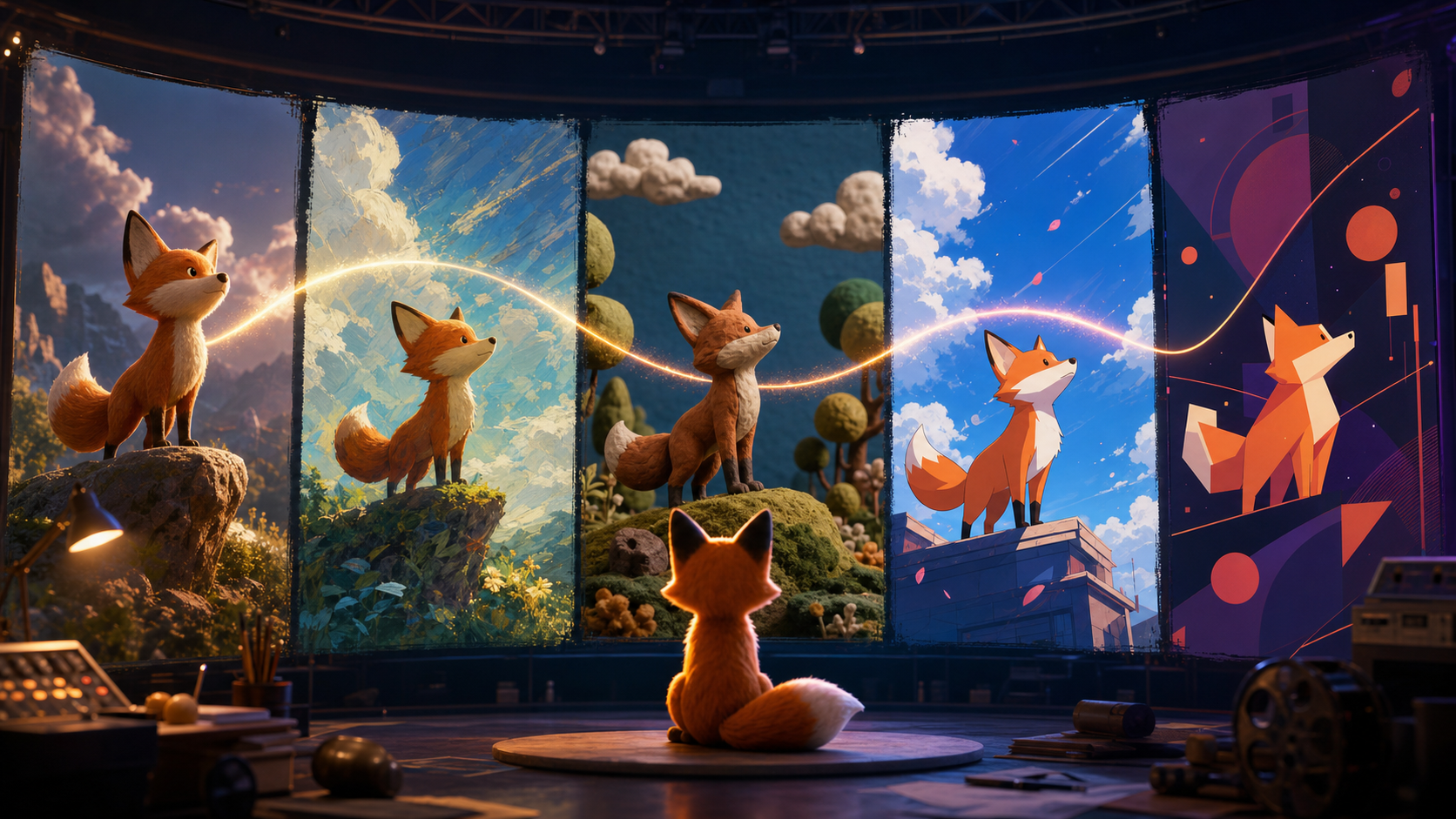
Create controlled 2D, 3D, stop-motion, cel-shaded, painterly, and motion-graphics clips with clearer prompts and stronger continuity.
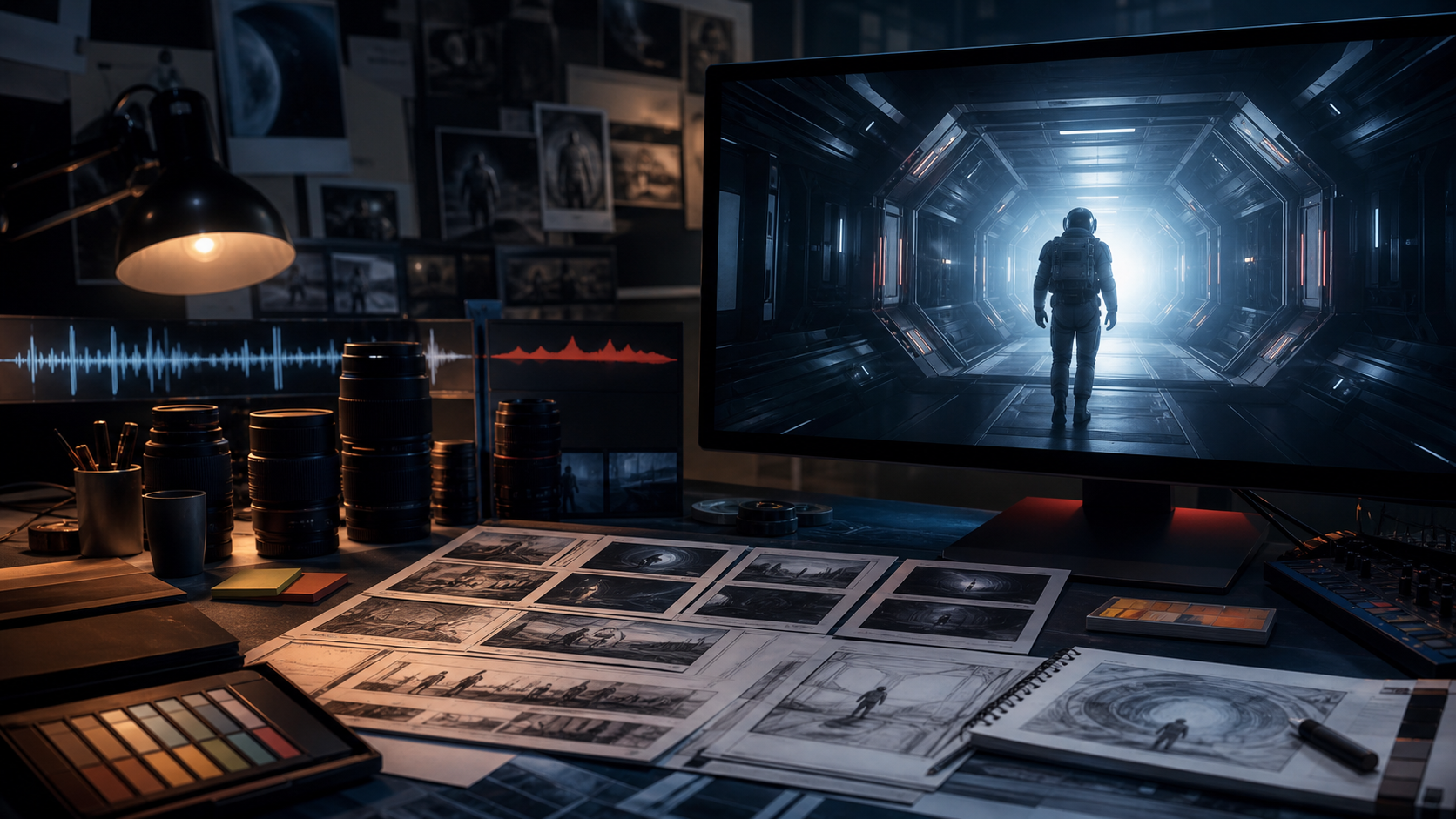
Define a visual language, plan evidence-led narration, generate clearly labeled illustrative B-roll, and finish a coherent documentary.
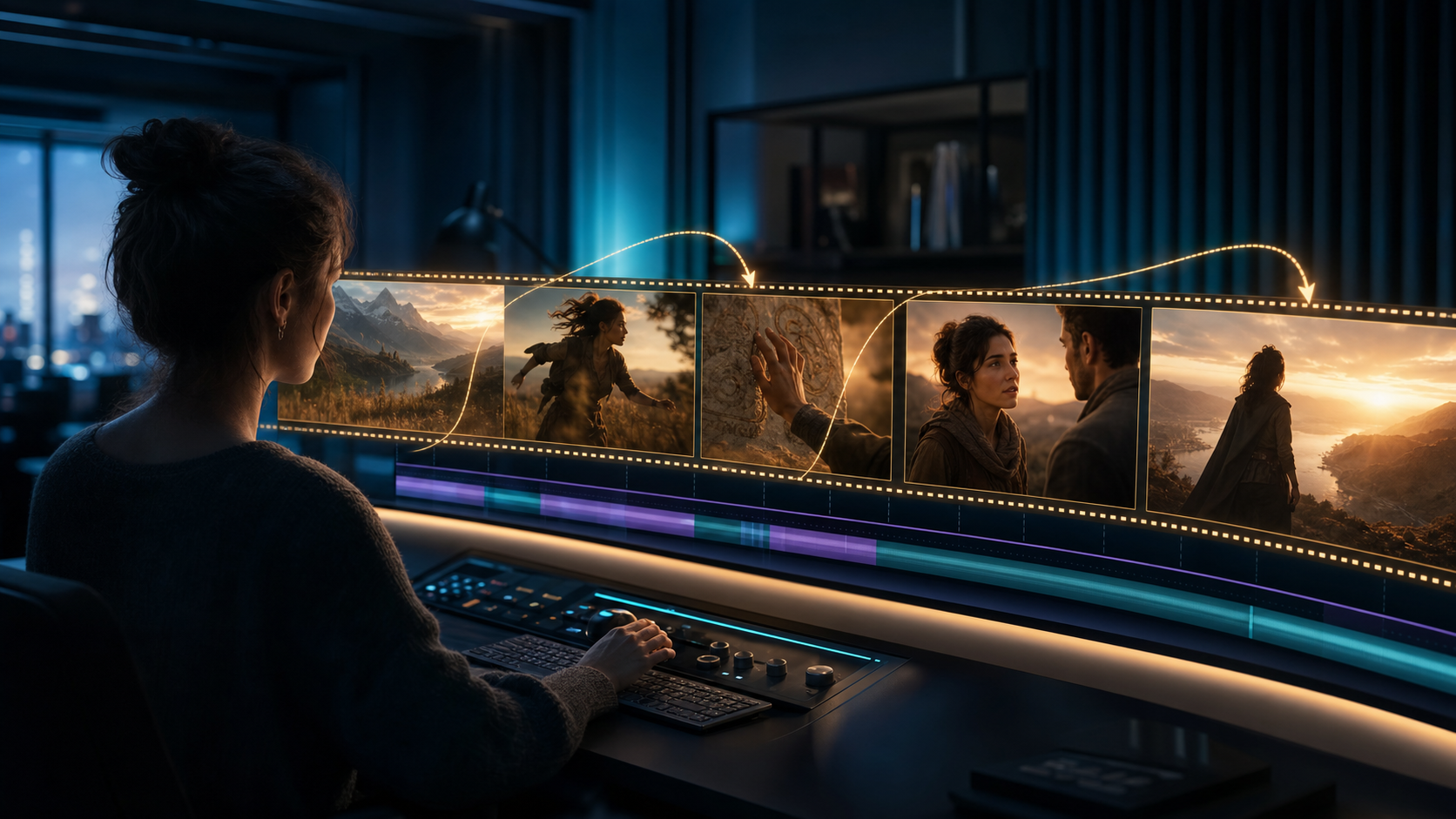
Turn short Veo clips into coherent long-form videos with scene planning, visual anchors, prompt templates, audio-first editing, and disciplined QA.
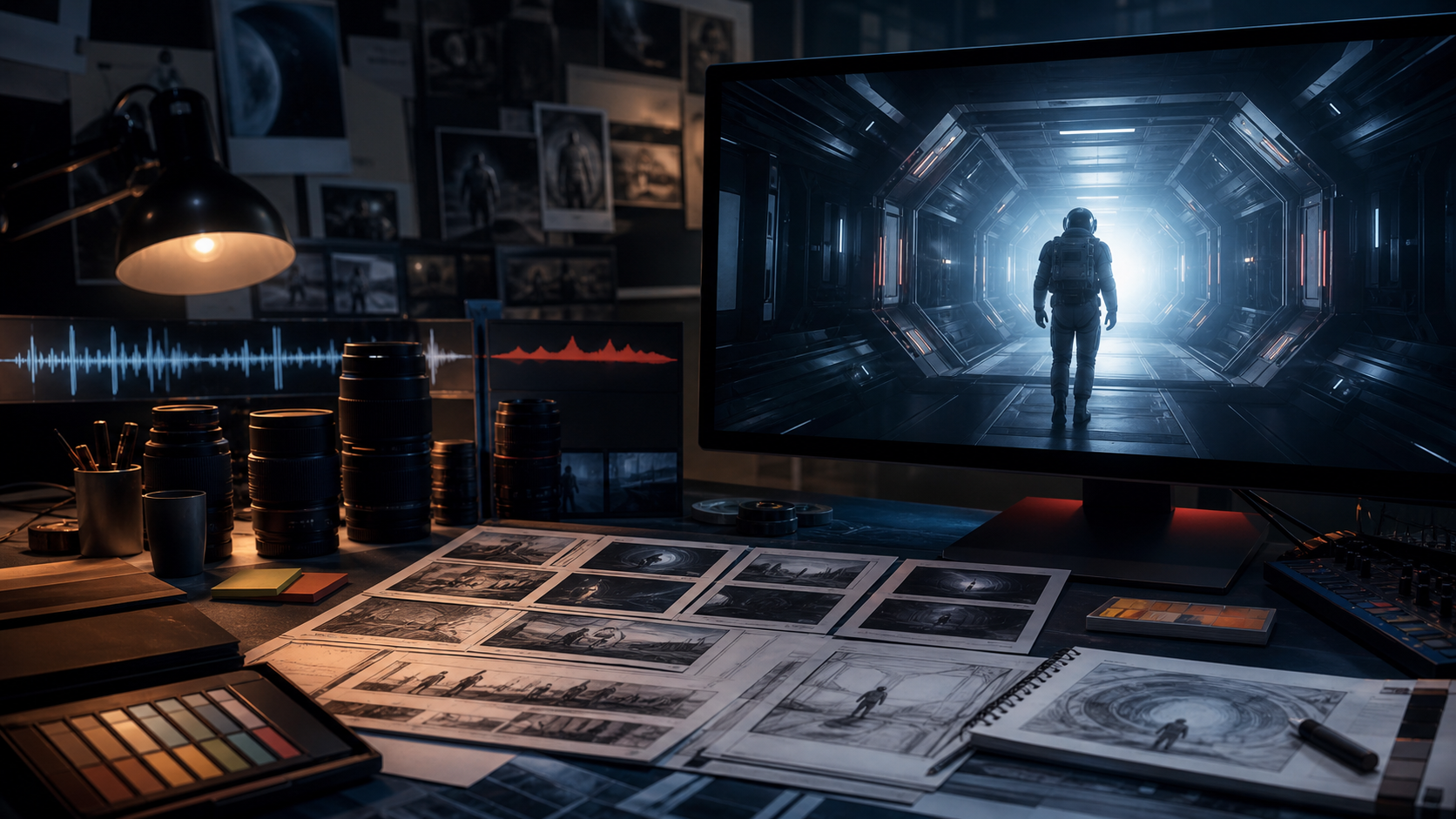
Develop a focused story, build a shot breakdown, preserve characters, design audio, generate in batches, and finish a coherent AI short film.

Plan fictional sports sequences, write action-and-camera prompts, generate decisive moments, and edit them into a coherent highlight reel.
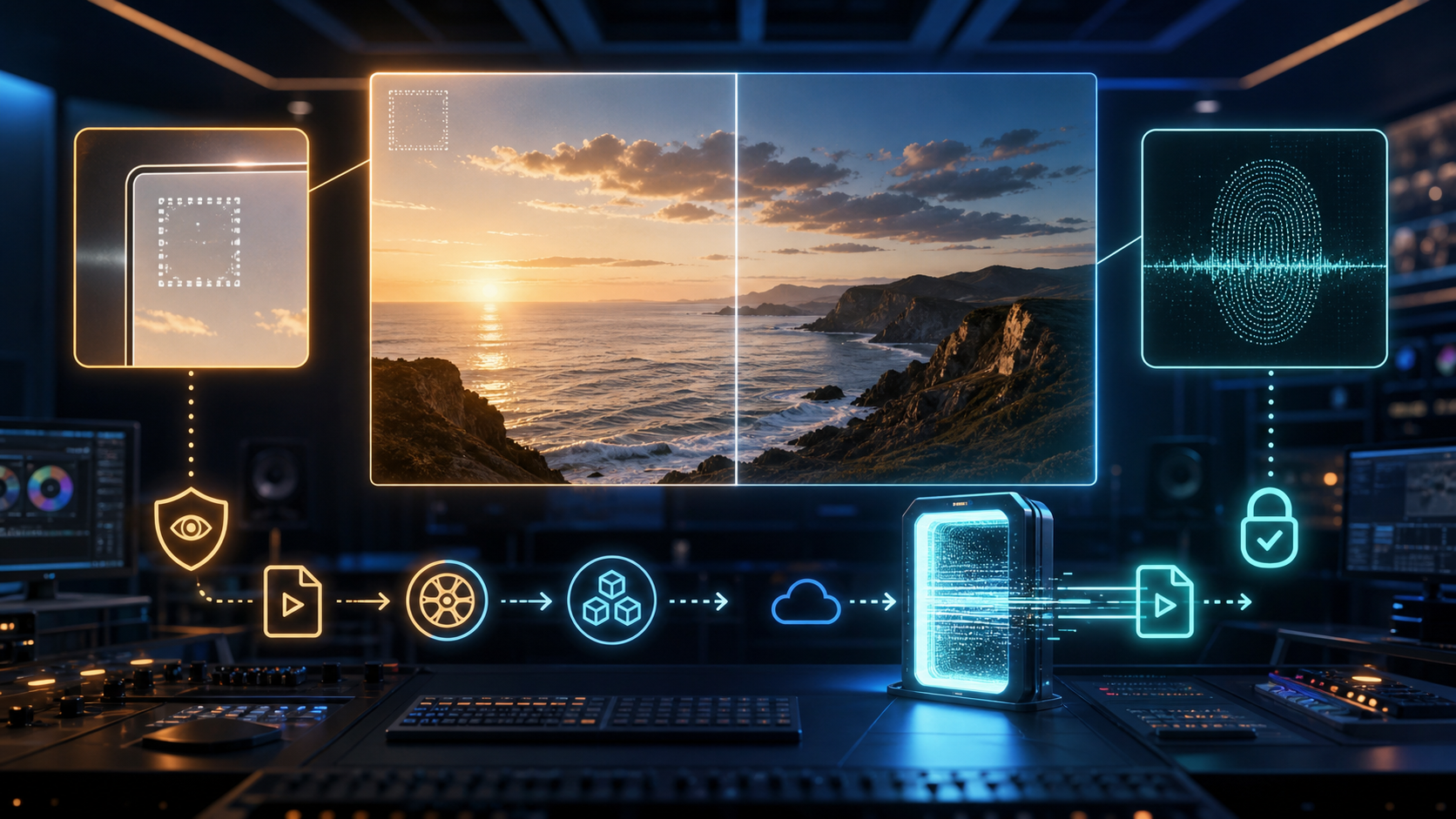
Understand visible Veo marks, invisible SynthID provenance, tier and regional differences, and compliant workflows for professional delivery.
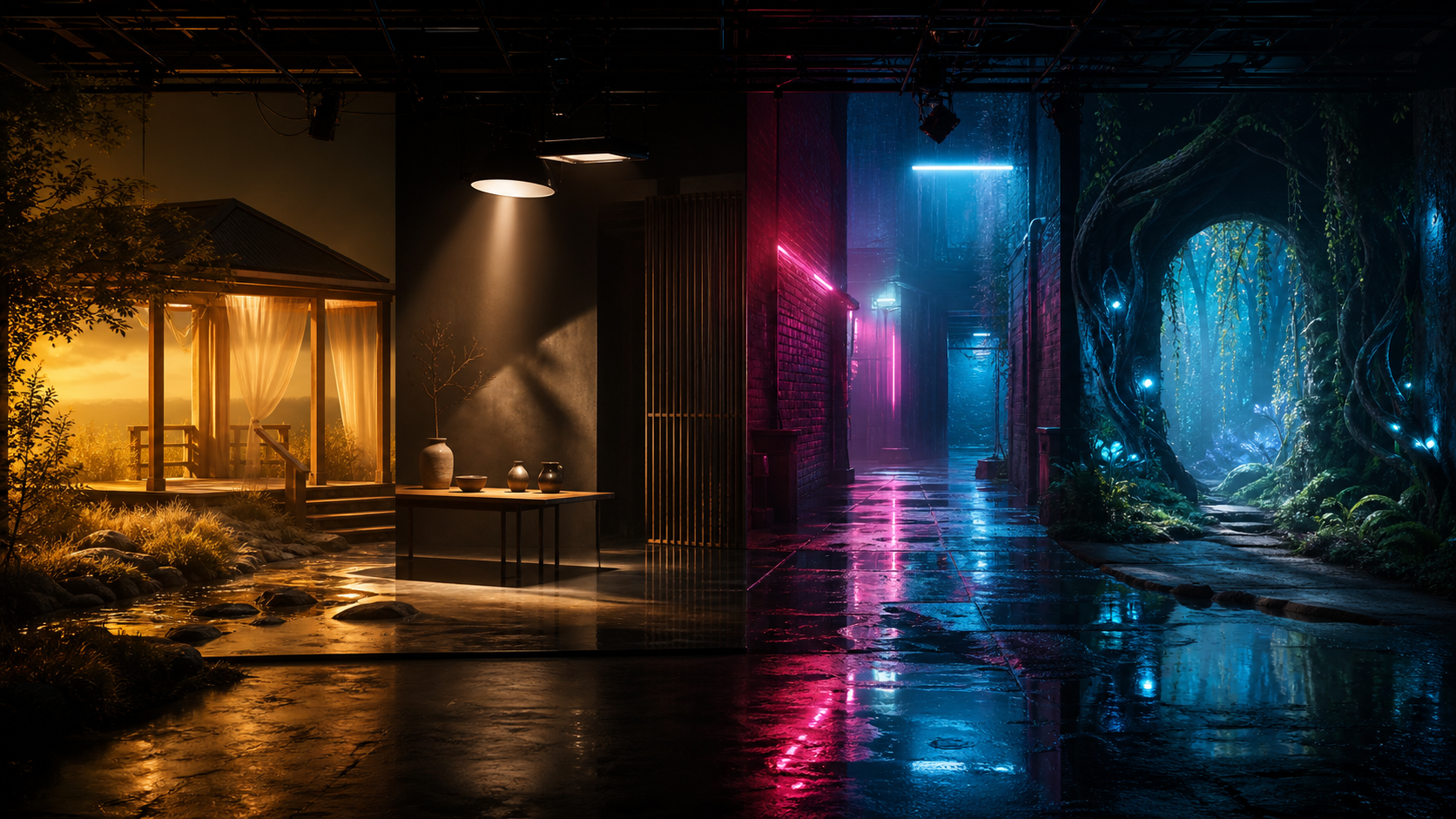
Copy and adapt 20 film-lighting prompts for natural light, studio drama, neon nights, and science-fiction or fantasy video.

Plan push-throughs, whip pans, zooms, flashes, and object wipes, then assemble AI-generated clips with clean cut points and consistent color.
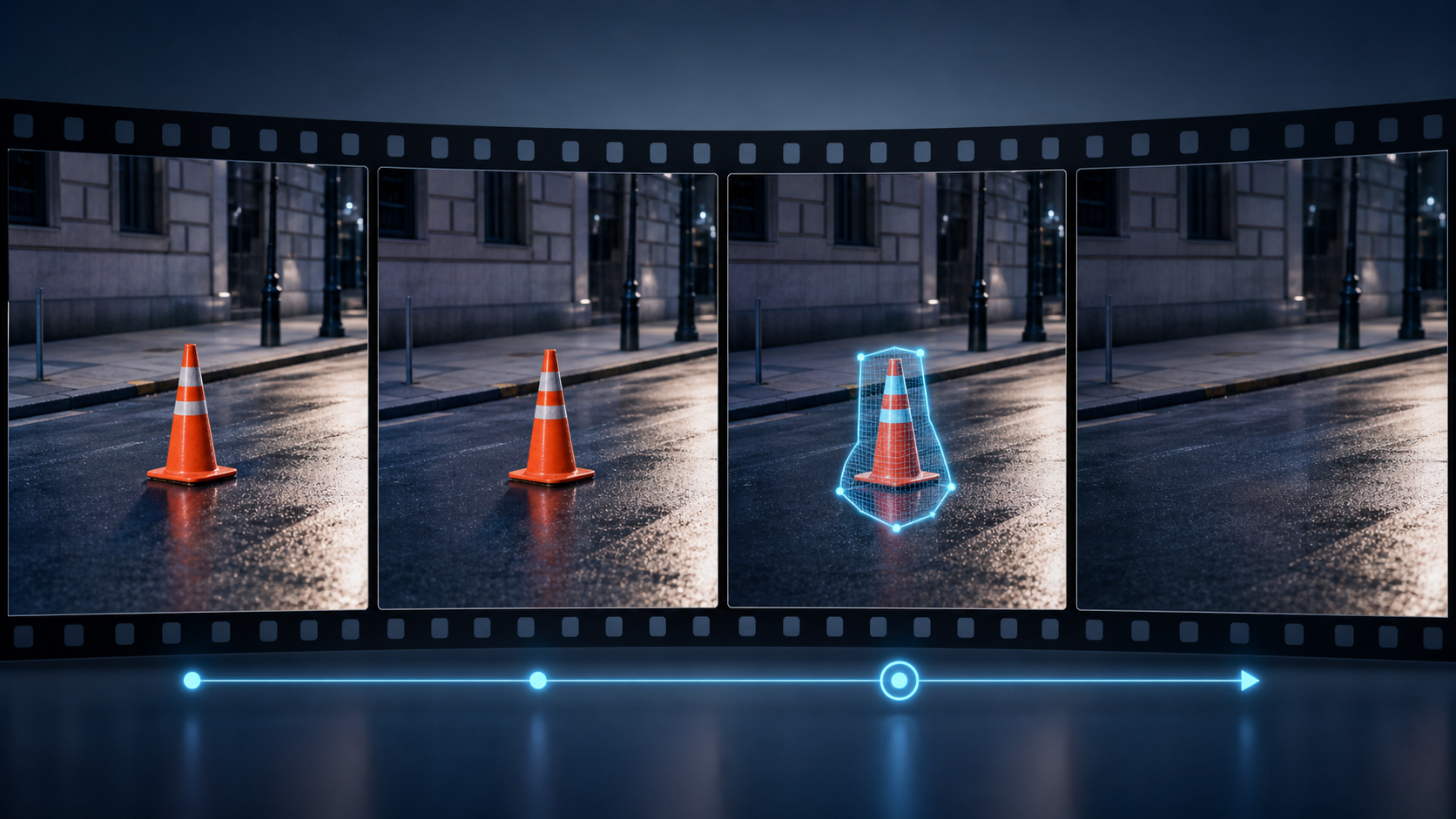
Learn masking, tracking, temporal inpainting, artifact diagnosis, export settings, and when regeneration beats object removal.
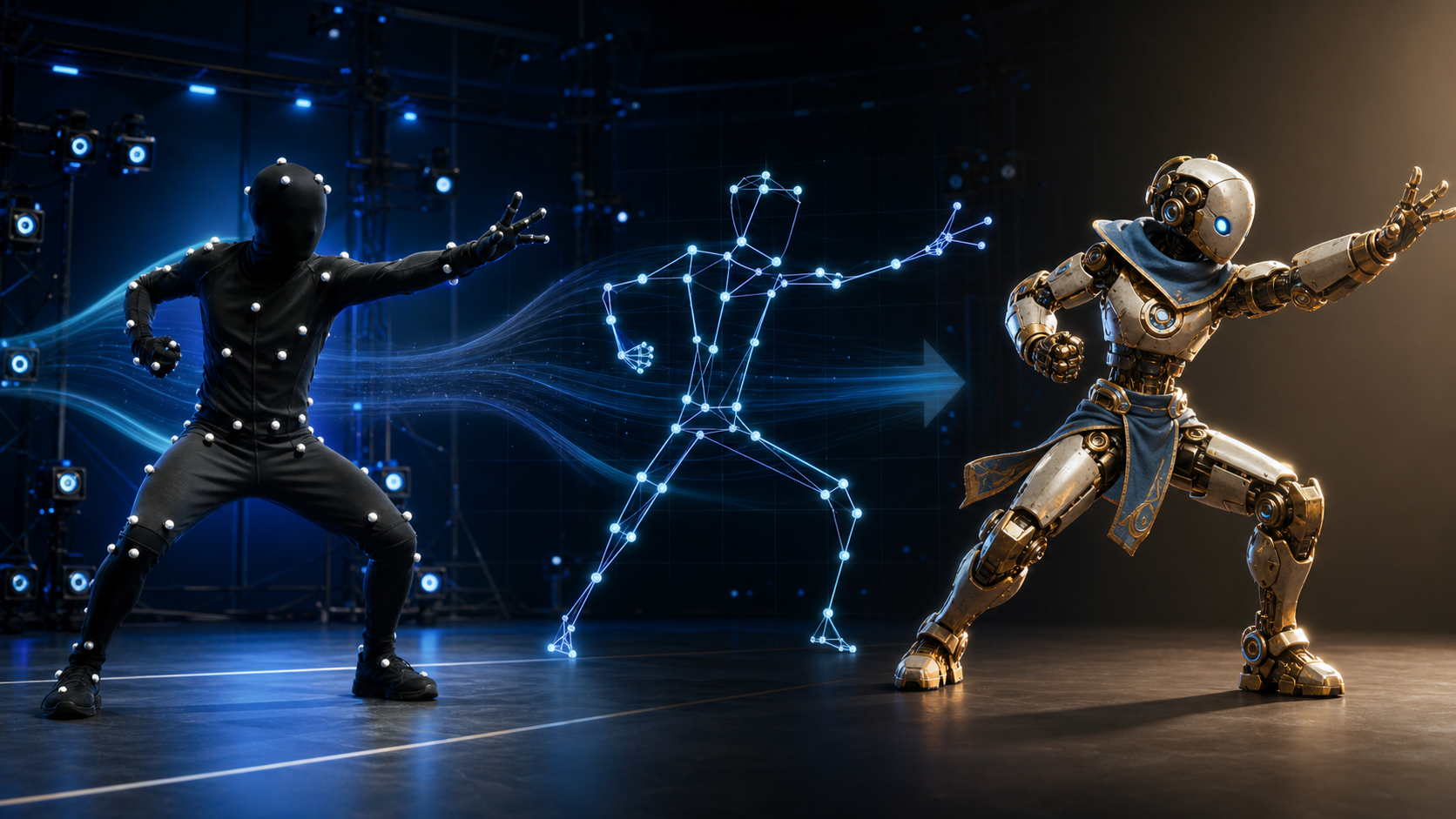
Understand optical, inertial, and markerless motion capture, the capture-to-retarget pipeline, key use cases, tradeoffs, and production choices.
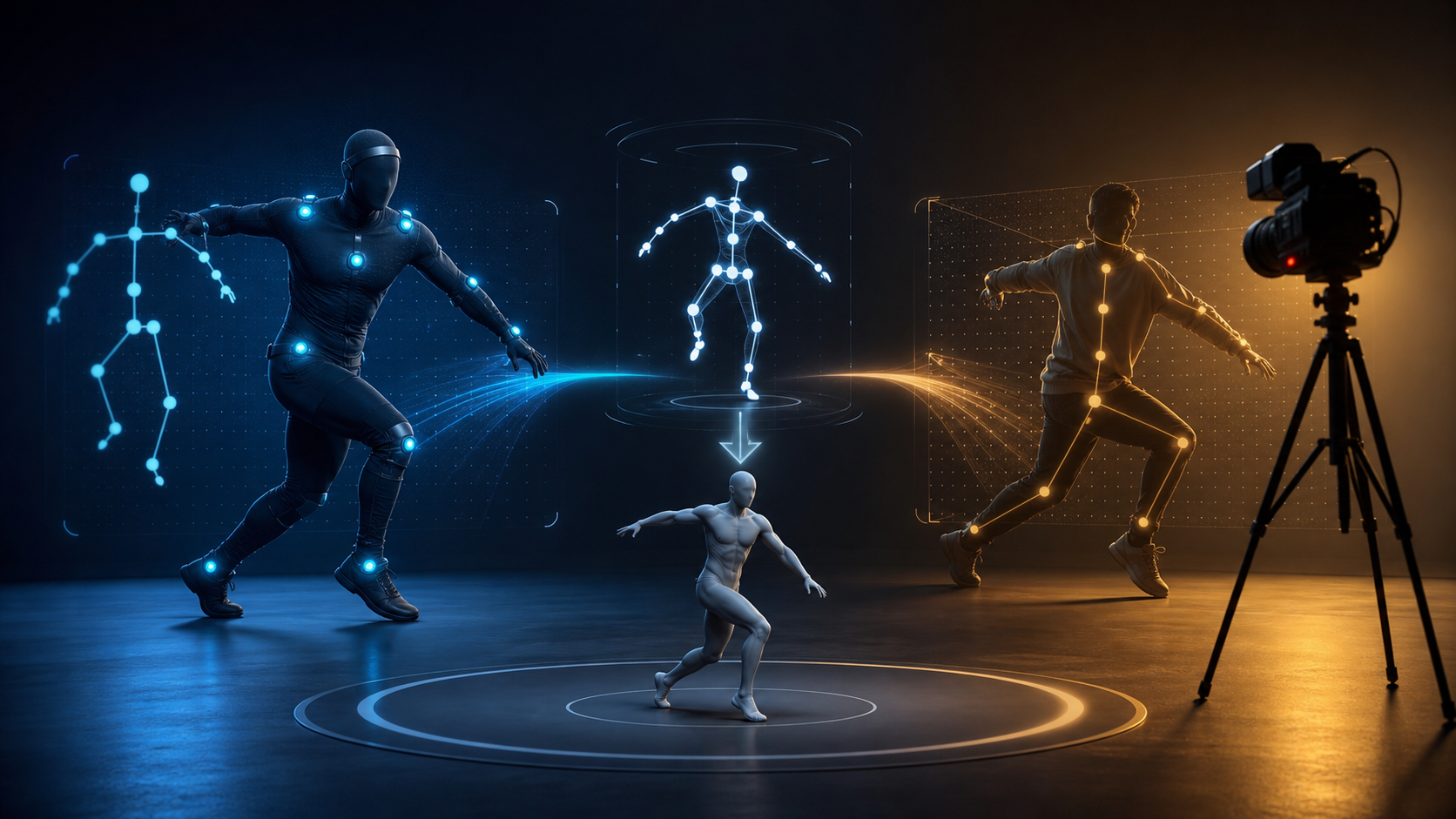
Understand Rokoko's body, finger, face, software, and markerless tools—and decide when hardware is worth it versus video-based capture.